Dark tea · Anhui
Ancha
安茶
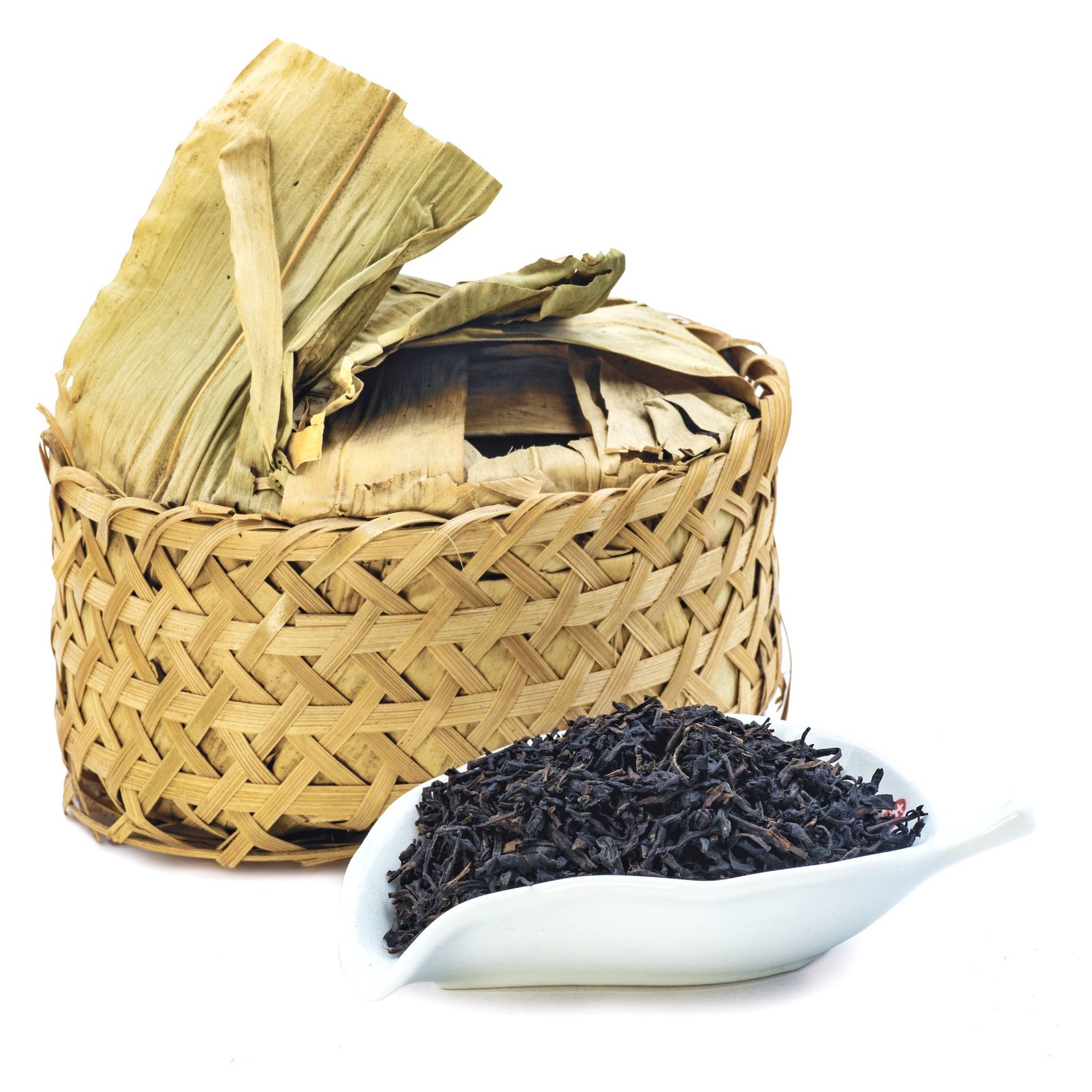
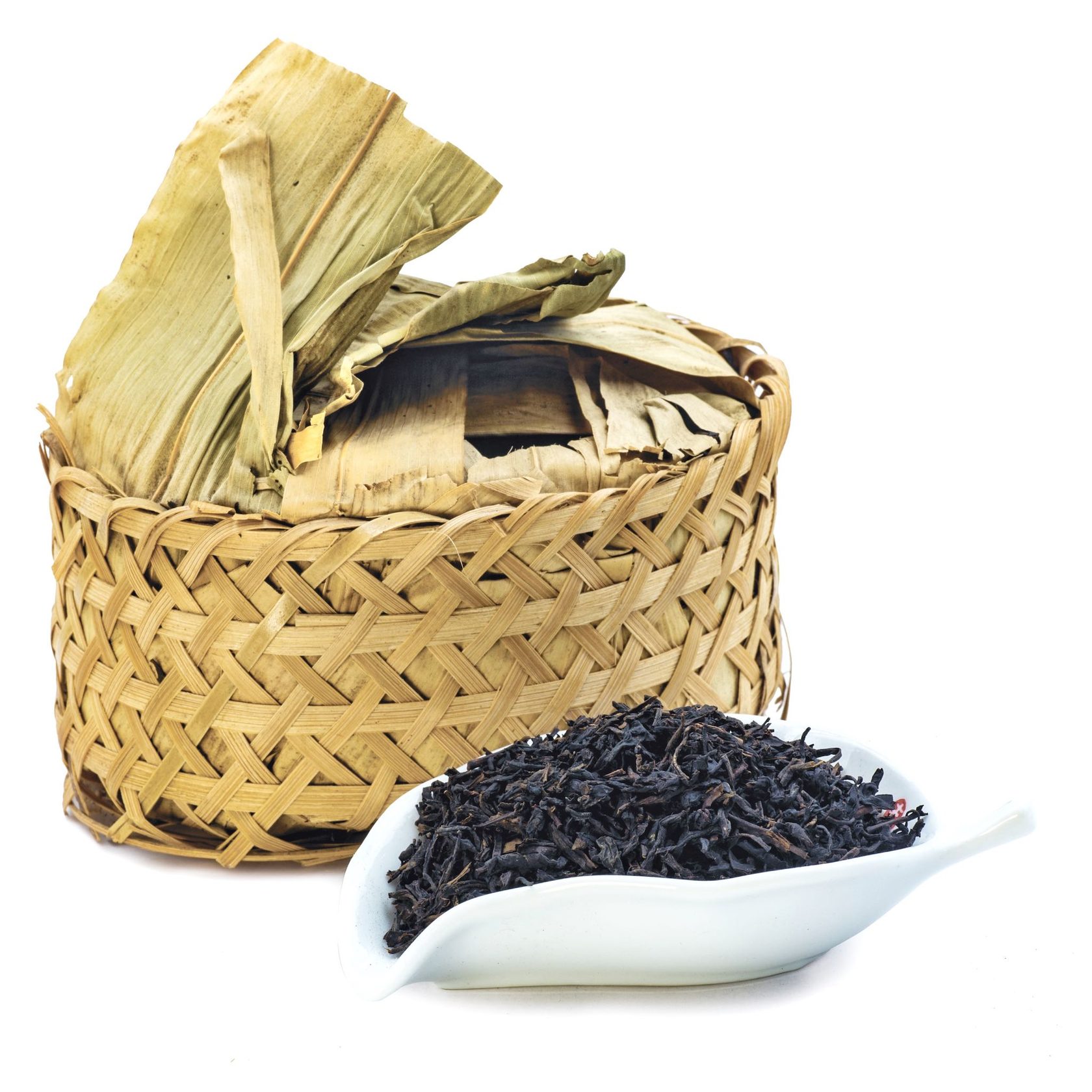
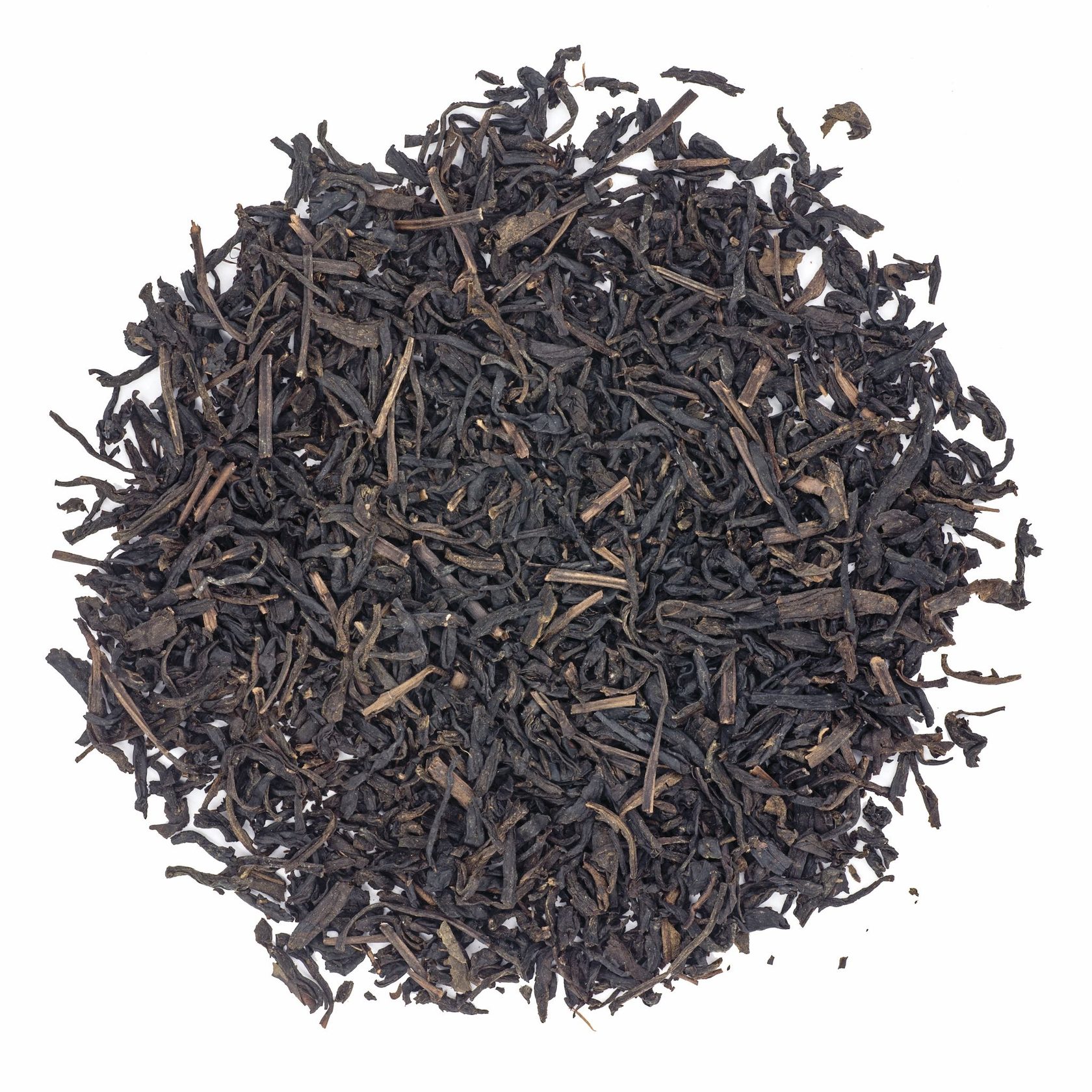
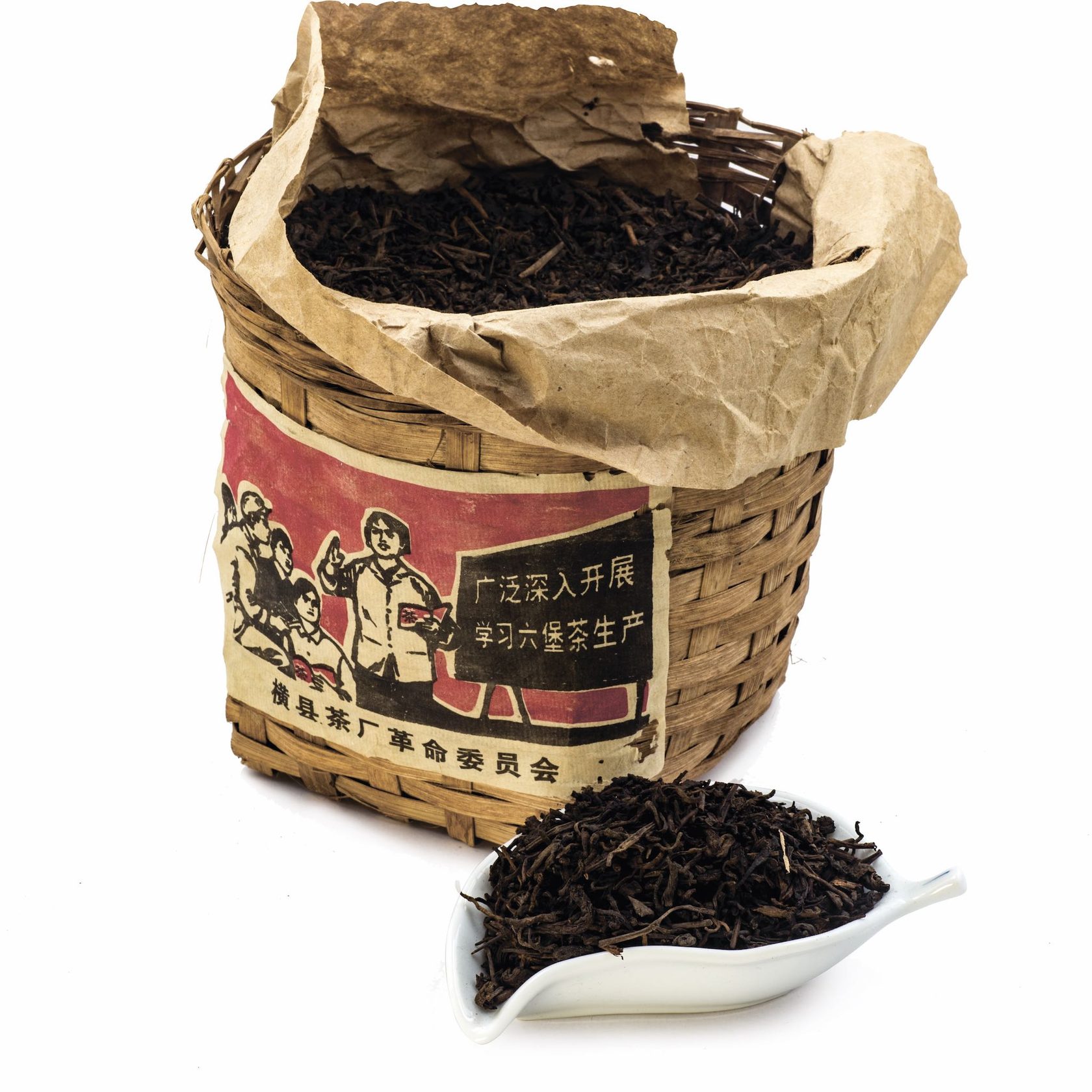
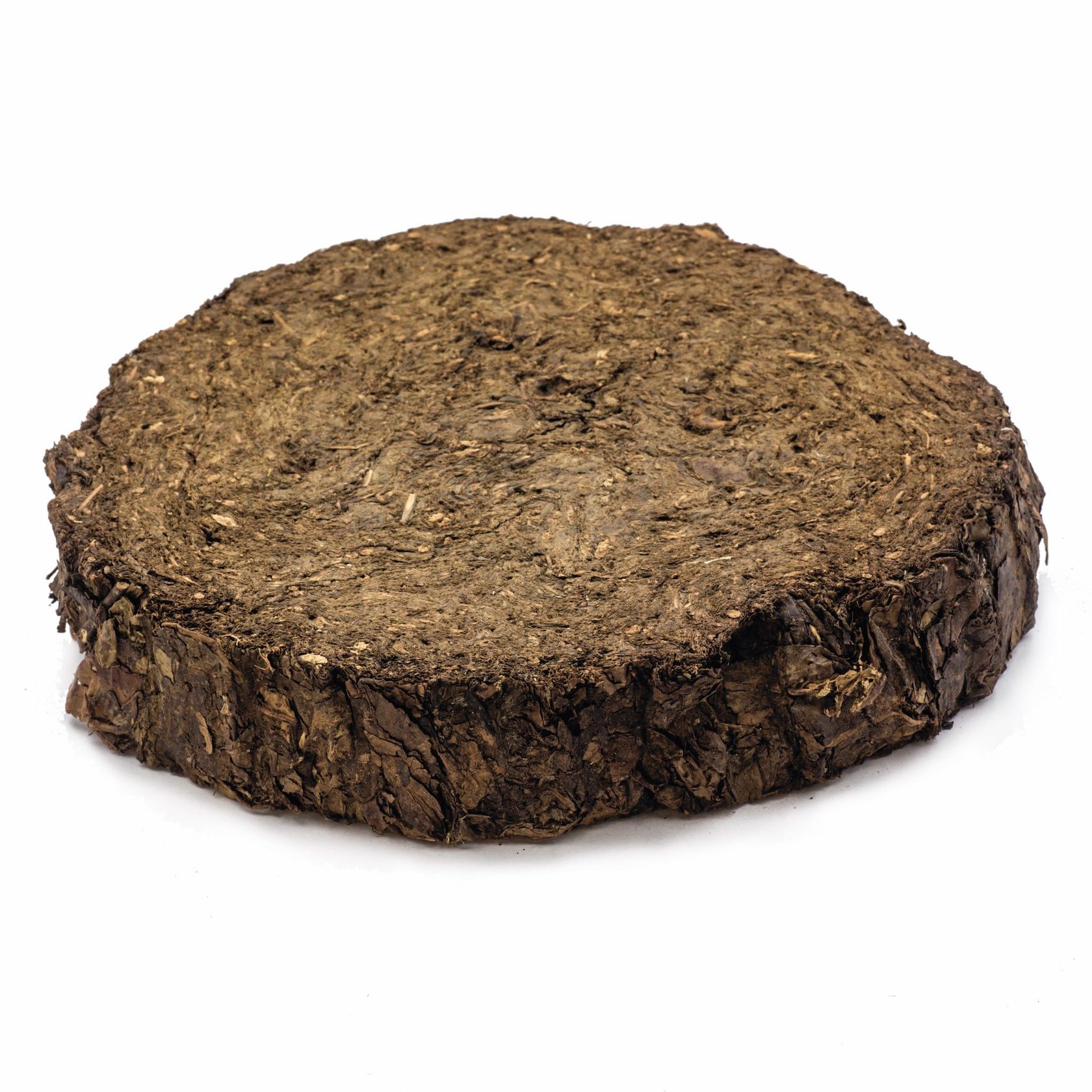
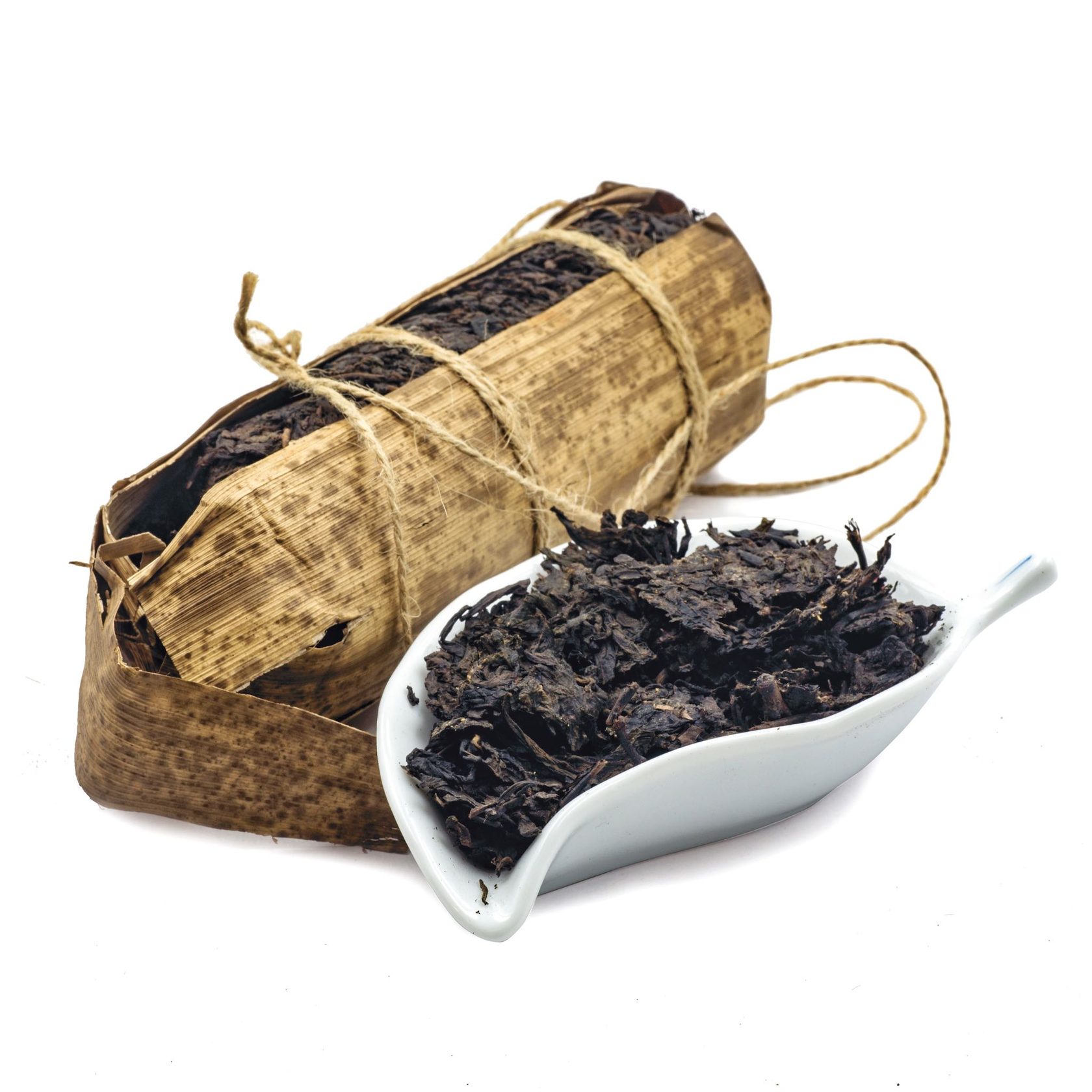
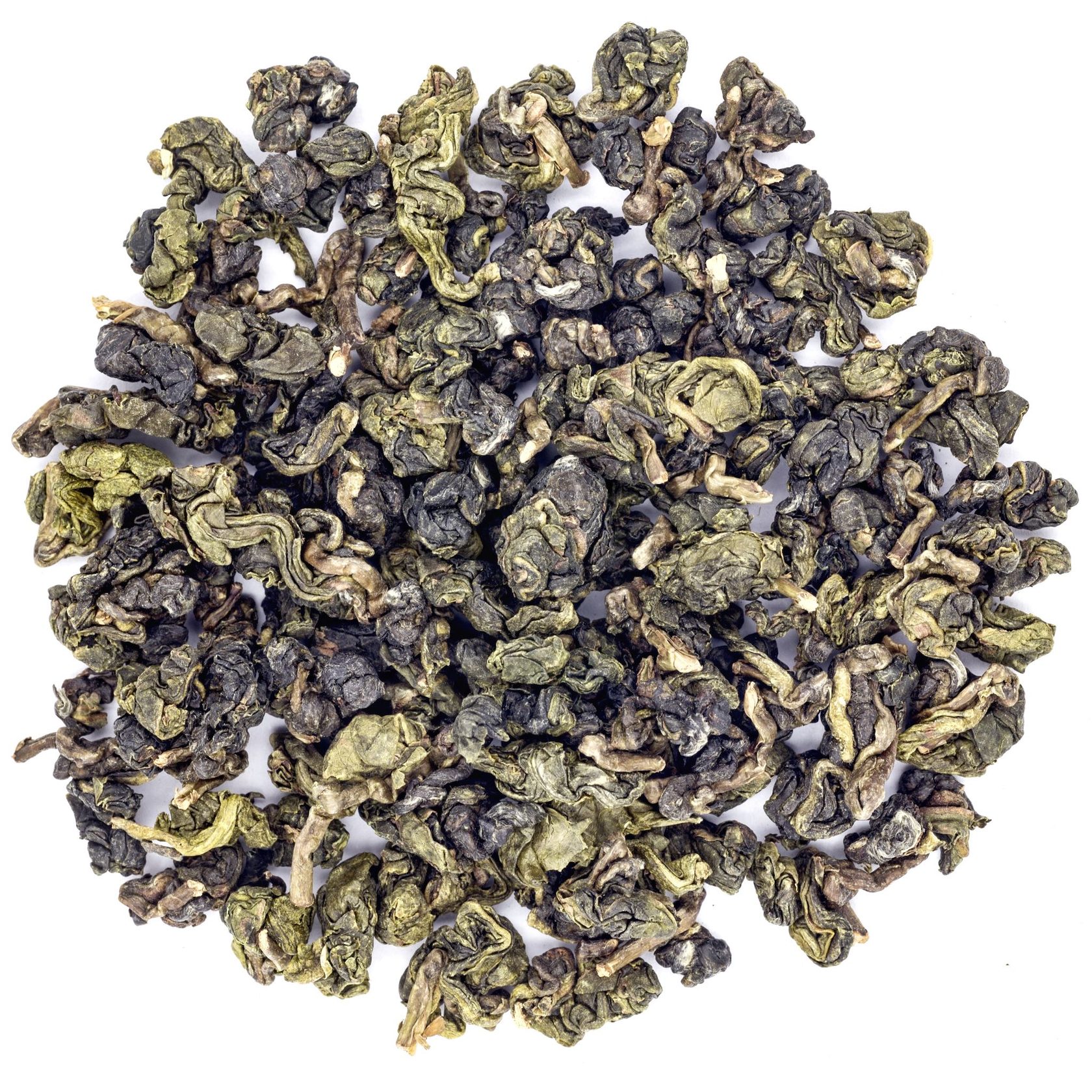
A traditional dark tea from Qimen in Anhui, made by a singular method — aged under the night dew and packed in bamboo leaf. Revered across Southeast Asia as a “holy tea” and a folk medicine, it is one of China’s most distinctive aged teas.
- Region
- Qimen county, Huangshan, Anhui
- Harvest
- Aged under night dew; packed in bamboo leaf
- Oxidation
- Post-fermented and aged
- Cultivar
- Qimen bushes — the country of Keemun
In the cup
Bamboo-leaf and aged-wood notes over honey and dried plum, with the famous betel-nut warmth — dense, clean and faintly sweet, growing richer and stickier with age.
What it gives
A cooling-then-warming dark tea — long taken to clear damp heat and aid digestion, settling and good for the stomach.
Ancha — literally peace tea — is a traditional dark tea from Qimen county in Anhui, the same green-tea country that gave the world Keemun red; indeed Ancha is reckoned a forerunner of it. Its method is unlike any other. After processing the leaf is aged out in the night dew — “without the night dew, no good Ancha,” the saying runs — then packed into baskets lined with the broad ruò bamboo leaf, whose scent it takes on. The whole making can stretch eight months.
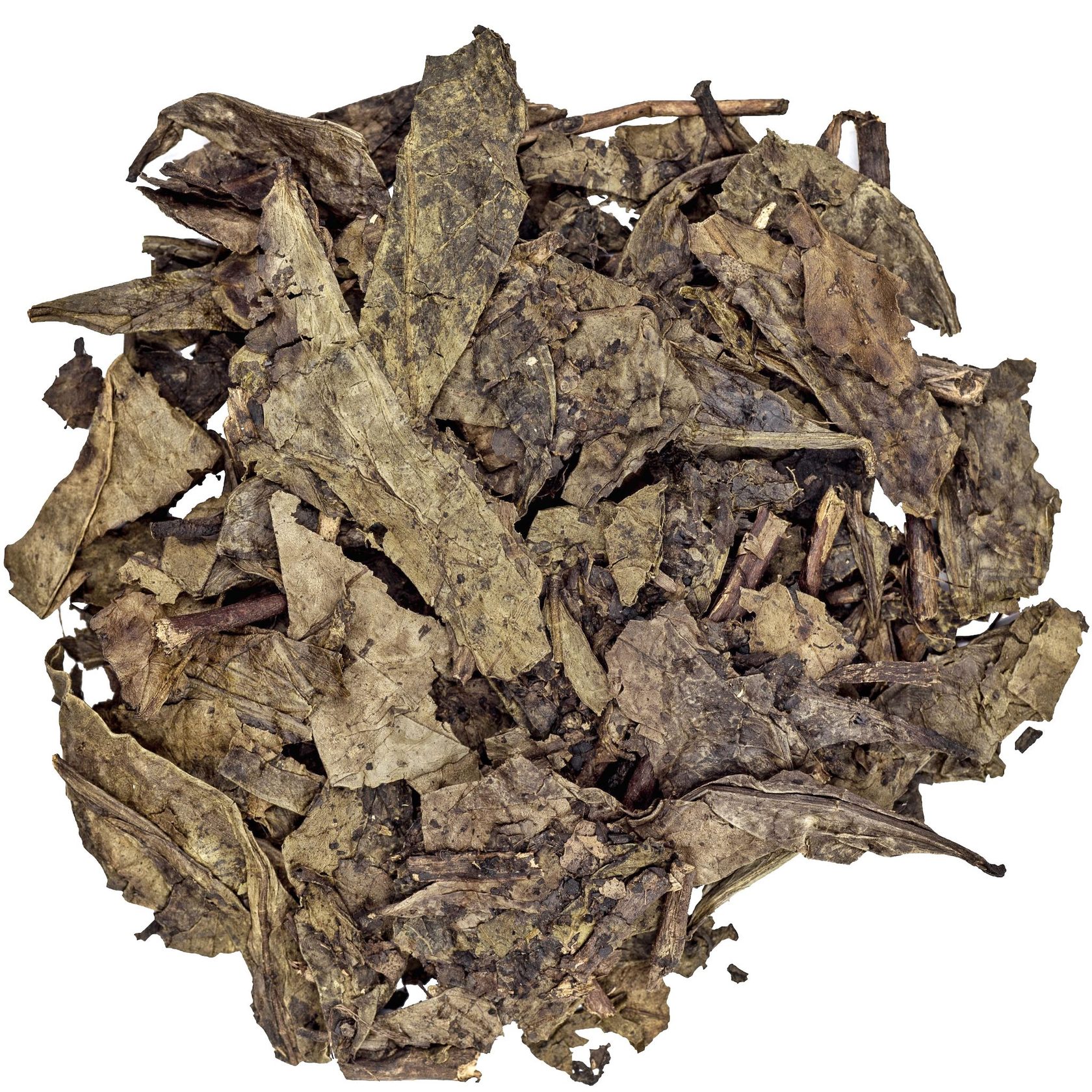
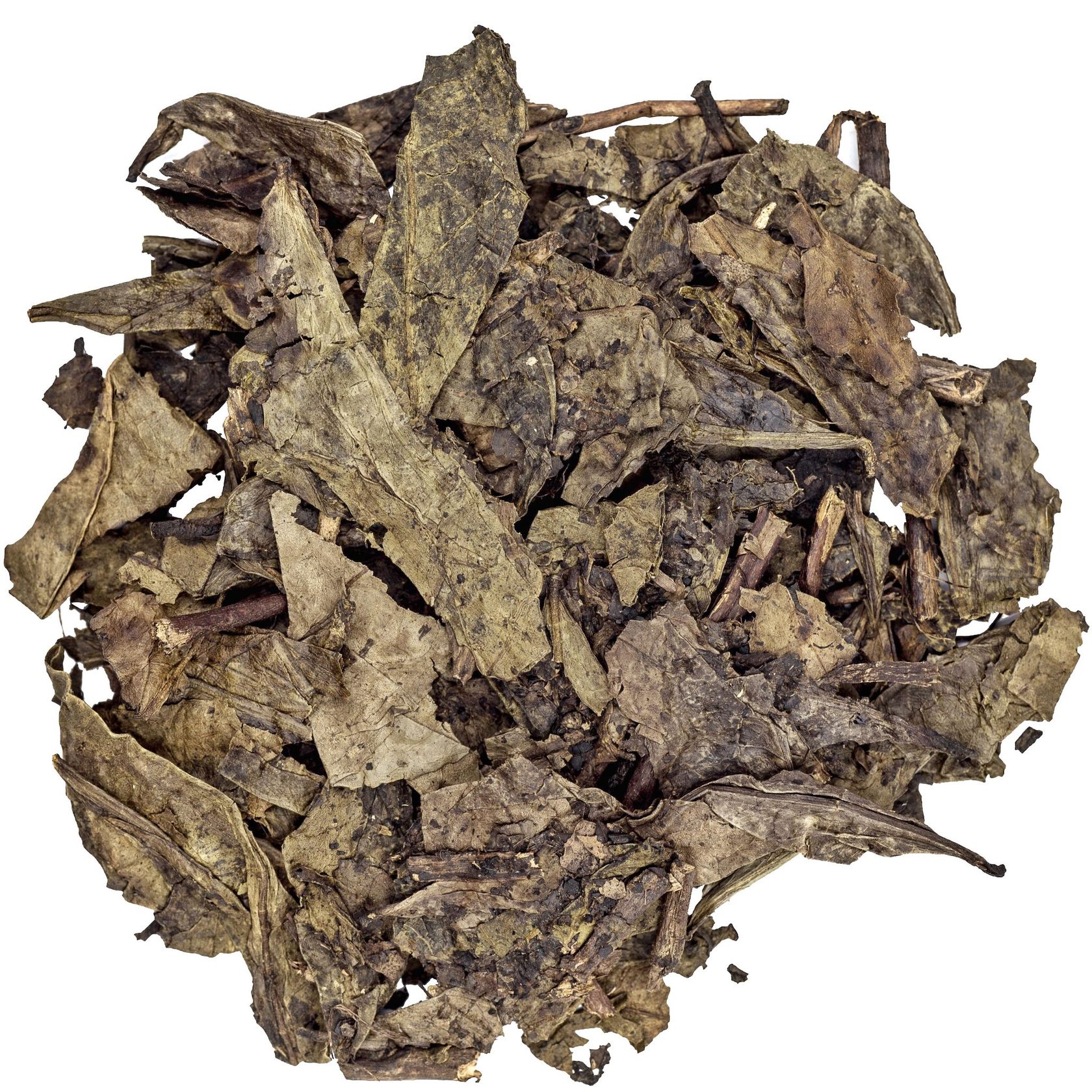
The result is a singular cup. Young Ancha is clean and orange-bright, with the zòngyè note of bamboo-wrapped rice dumplings; with three to five years it turns honeyed and plummy; older still, it shows the medicinal, camphor-balsam notes of true age. Its calling card is a warm betel-nut fragrance, bīnláng xiāng. Long exported to Southeast Asia and taken there as a folk medicine, it earned the name “holy tea”; nearly lost in the twentieth century, it has been revived in recent decades.
In the cup
Rinse it first, then brew boiling and short for many steeps. The taste is dense and clean, with a soft, returning sweetness; with age it grows a sticky, sugary roundness, tián nuò. Drink it after a rich meal, or on a damp day, as the south of China long has.
How to brew
Ancha
Water
100 °C — full boil
Leaf
6 g per 100 ml
Steep
Rinse, then 10–20 s, many steeps
Vessel
Gaiwan or clay pot