home / teas / Pu-erh tea
Pu-erh · Yunnan
Gong Ting Pu-erh
宫廷普洱
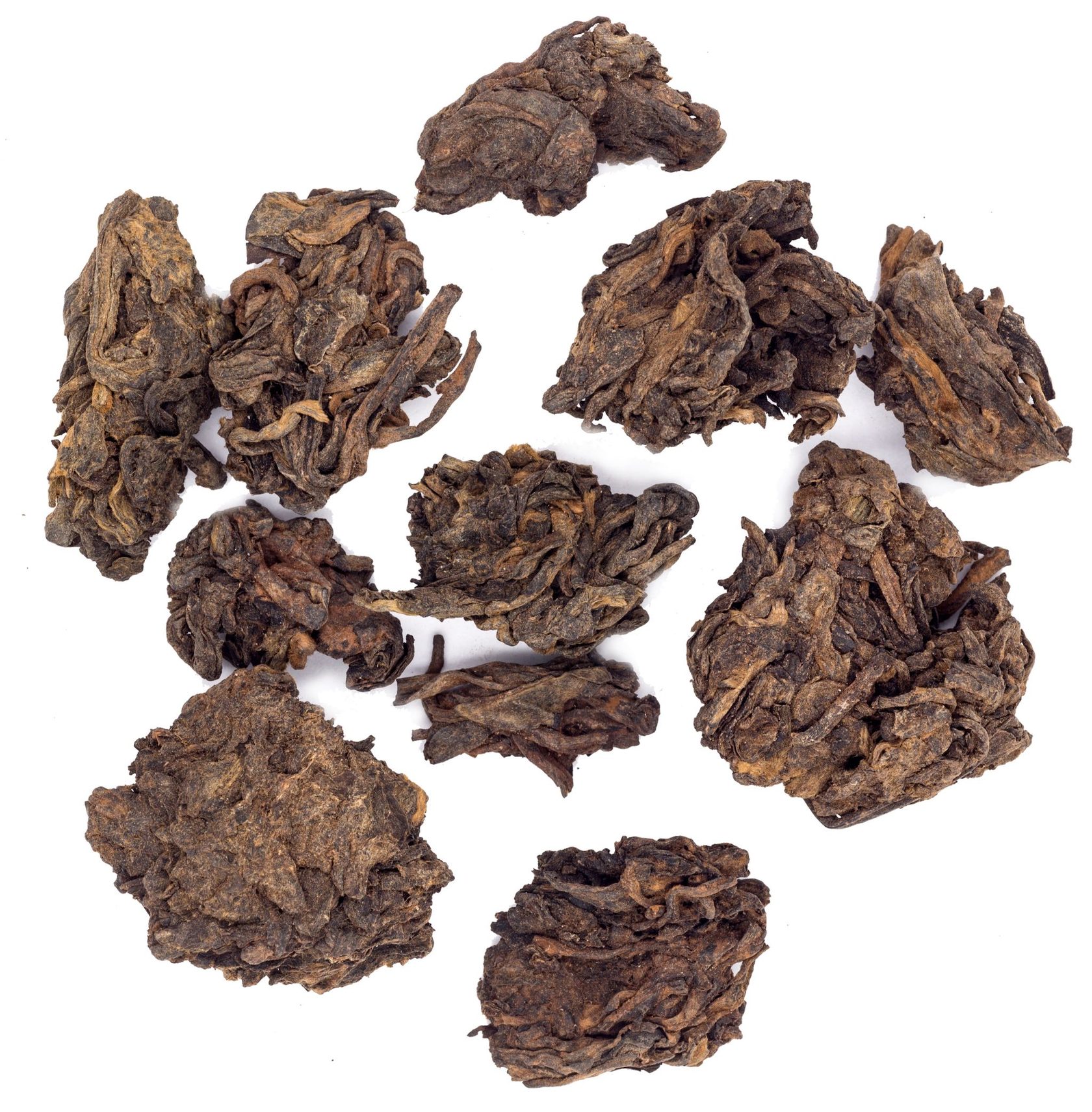
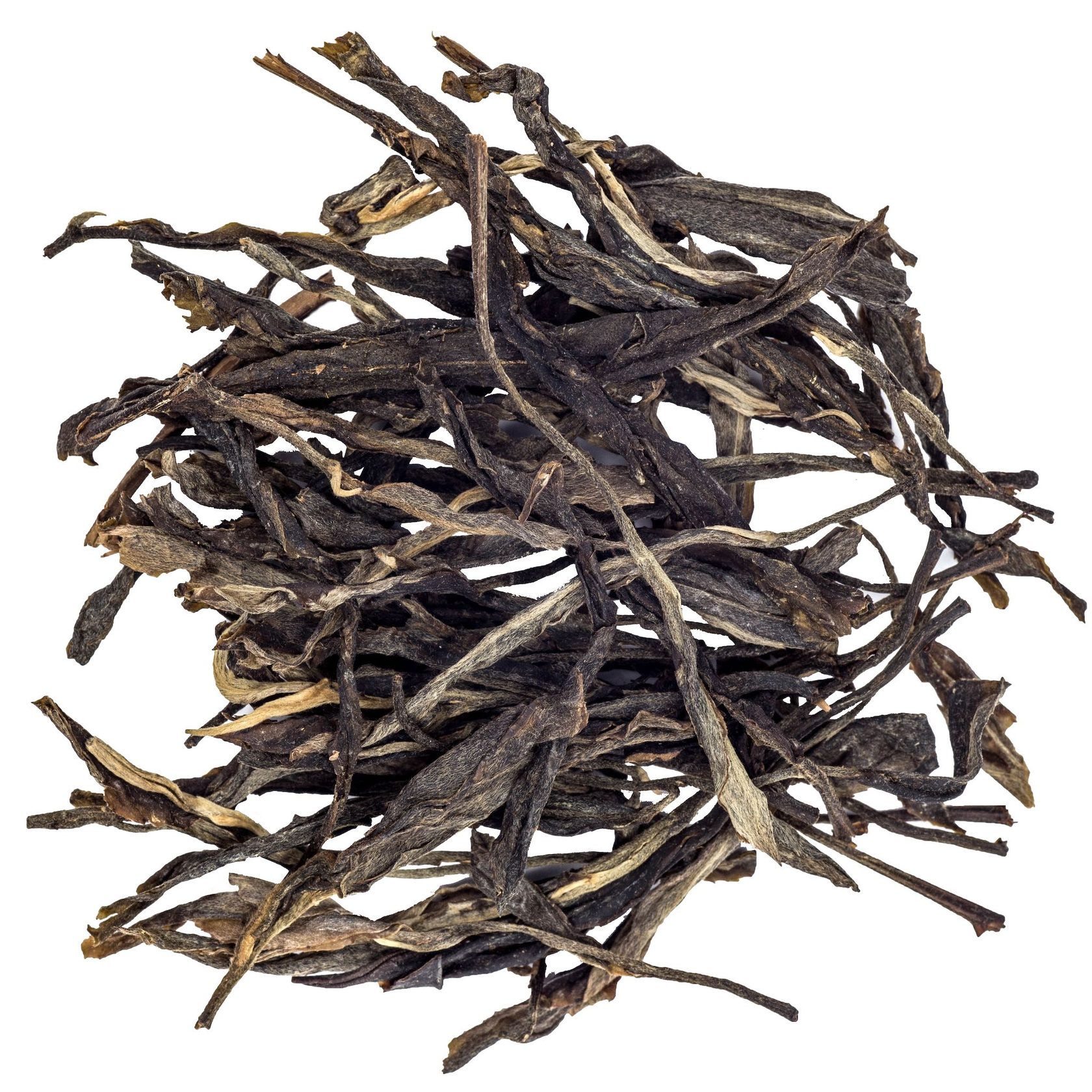
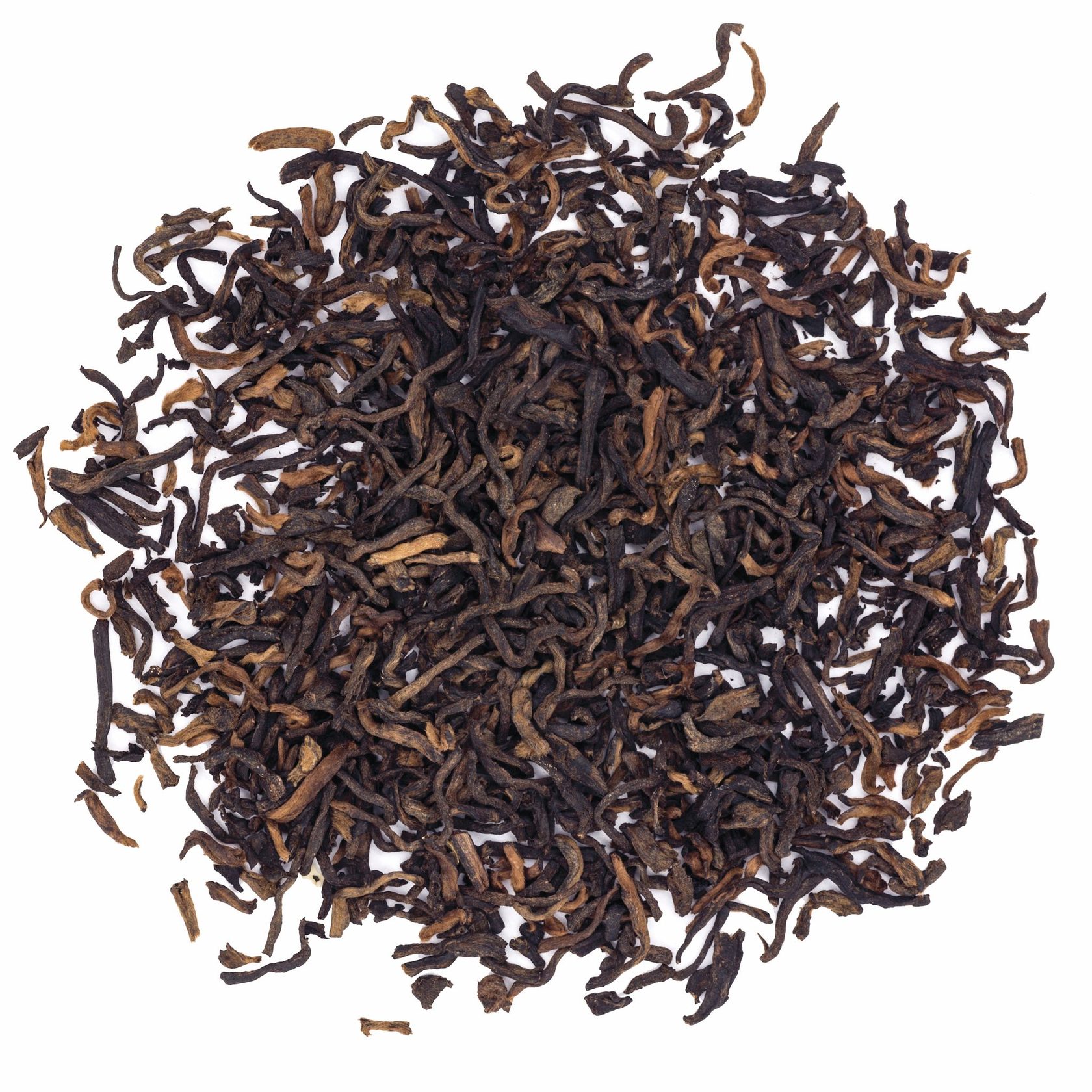
"Palace" pu-erh — the finest grade of ripe shou pu-erh, made from the smallest buds and tips. Smooth and velvety, with chocolate, dried fruit and a deep, clean sweetness.
- Region
- Yunnan — 800–2000 m
- Harvest
- Spring buds; ripened by wo dui fermentation
- Oxidation
- Post-fermented (ripe / shou)
- Cultivar
- Yunnan broad-leaf (assamica)
In the cup
Dark chocolate and dried fruit over a velvety body, with a clean, deep sweetness and none of the wet-pile edge of lesser shou.
What it gives
A warming, grounding tea — smooth and easy on the stomach, ripe pu-erh traditionally drunk to settle and aid digestion.
Gong Ting Pu-erh — palace pu-erh — is the top grade of ripe (shóu) pu-erh, the name evoking the imperial tribute teas of old. Where ordinary shou is made from mixed leaf, Gong Ting is sorted to the smallest buds and tips, which give the smoothest, most refined cup of the ripe style.
Ripe pu-erh is the fast road that raw pu-erh takes slowly: the wo dui “wet-piling” ferments Yunnan assamica leaf in weeks rather than decades, producing the deep, dark, mellow character that made shou popular. At this top grade, the typical earthy edge gives way to something cleaner and sweeter.
In the cup
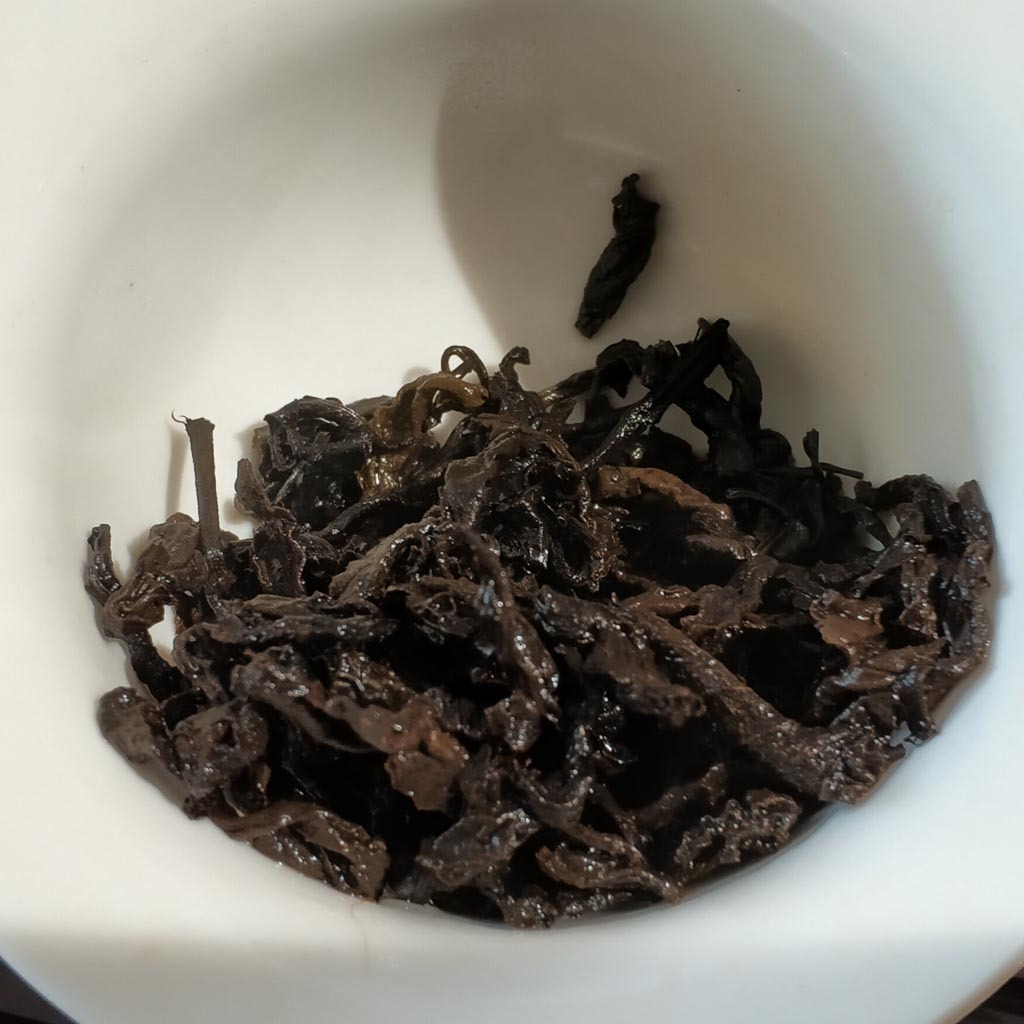
Rinse the leaf once, then brew hot and short, gongfu style. The liquor pours dark and clear — almost black — and the cup is velvety and deep, with dark chocolate and dried fruit over a clean, lasting sweetness. A good Gong Ting gives many smooth steeps without the muddy notes of lesser shou.
How to brew
Gong Ting Pu-erh
Water
95–100 °C
Leaf
7 g per 100 ml
Steep
Rinse, then 10–20 s, many steeps
Vessel
Gaiwan or clay pot
More from this class