The seven classes · 01
Green tea
lǜchá · 绿茶
Green tea is leaf caught before it can turn — heated within hours of plucking so the enzymes that would brown it are stilled. What stays is the spring itself — chestnut, fresh grass, snow-pea sweetness.
Oxidation · Unoxidised — the leaf, stopped early
Green tea is the oldest way to keep a leaf. Pluck it, and the clock starts — within the day it must be fixed, heated in a wok or steamed until the enzymes that brown an apple are stopped. Stop it well and the cup tastes of the field it grew in.
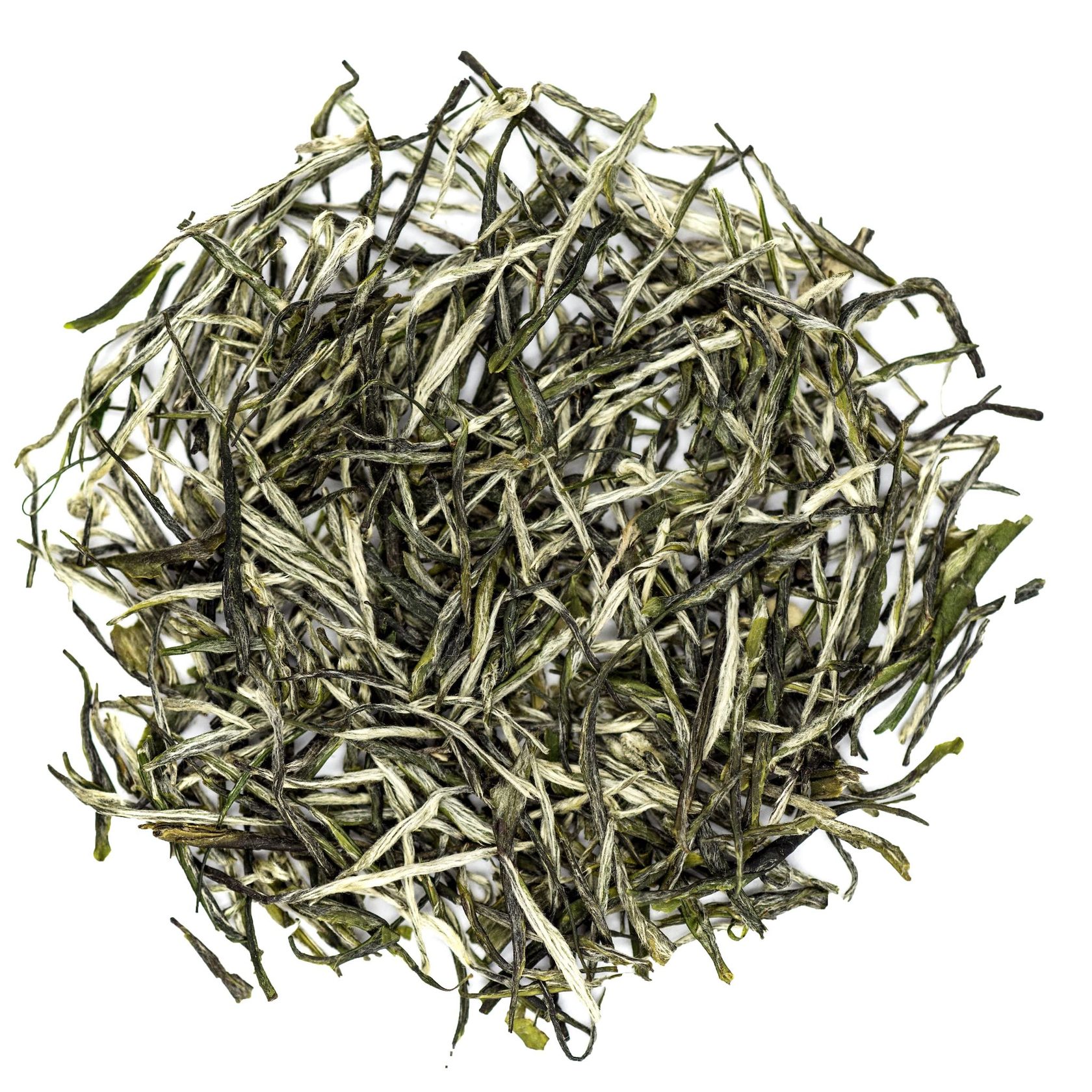
China fixes most of its green tea in a hot dry wok — chǎoqīng — which lends the toasted, chestnut note that distinguishes a Chinese green from a steamed Japanese one. The pan-firing is also the shaping: flat spears for Longjing, tight spirals for Biluochun, fine needles for Maojian.
How to read a green tea
Freshness is everything. The best greens are drunk young, in the months after the spring harvest, and brewed cooler than you would think — water off the boil, around 80 °C, so the leaf gives sweetness instead of bitterness. A glass shows the leaf dancing; a covered cup keeps the aroma.
Varieties in this class
Green tea
Anji Bai Cha
[ānjí báichá]
Learn more →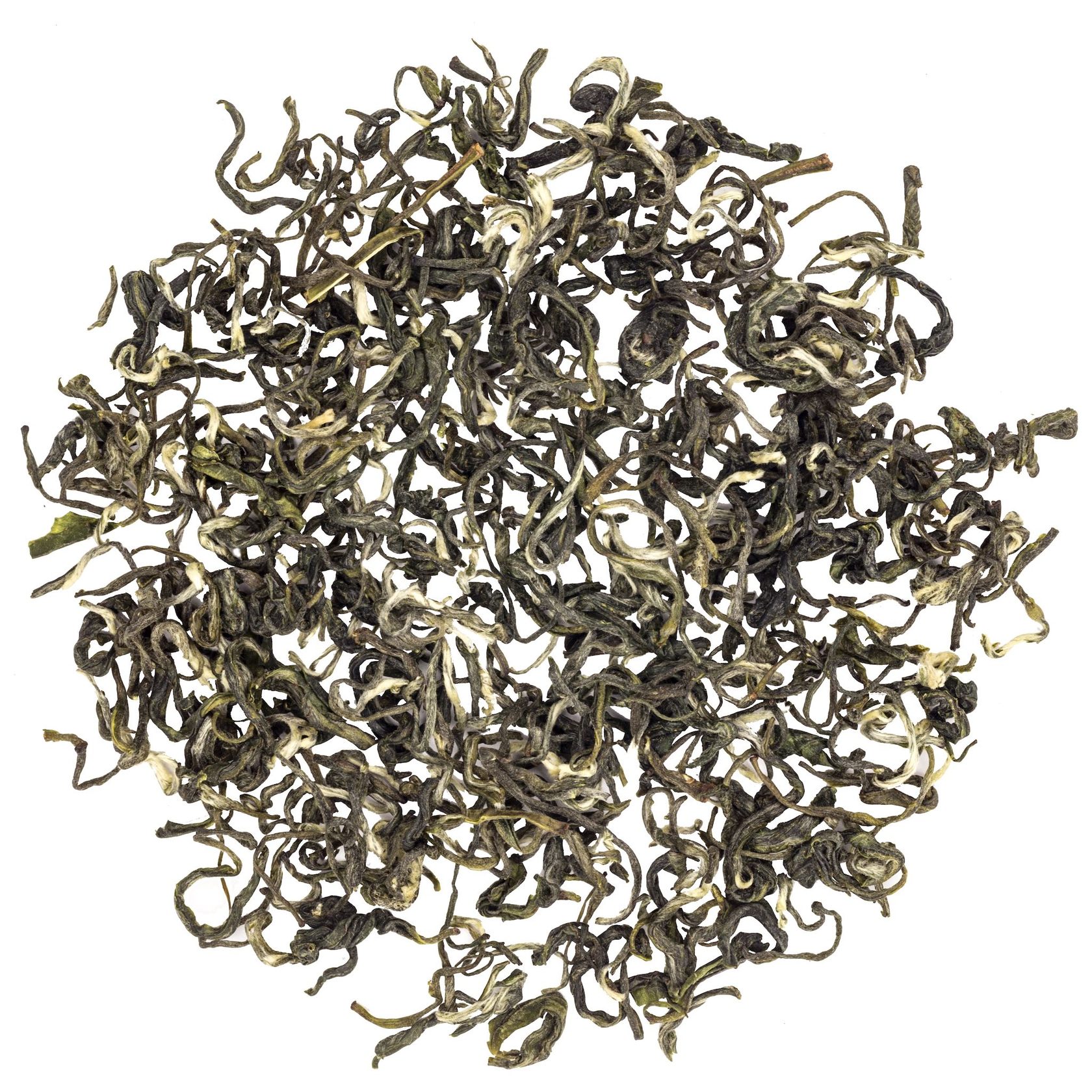
Bai Mao Hou
[báimáo hóu]
Learn more →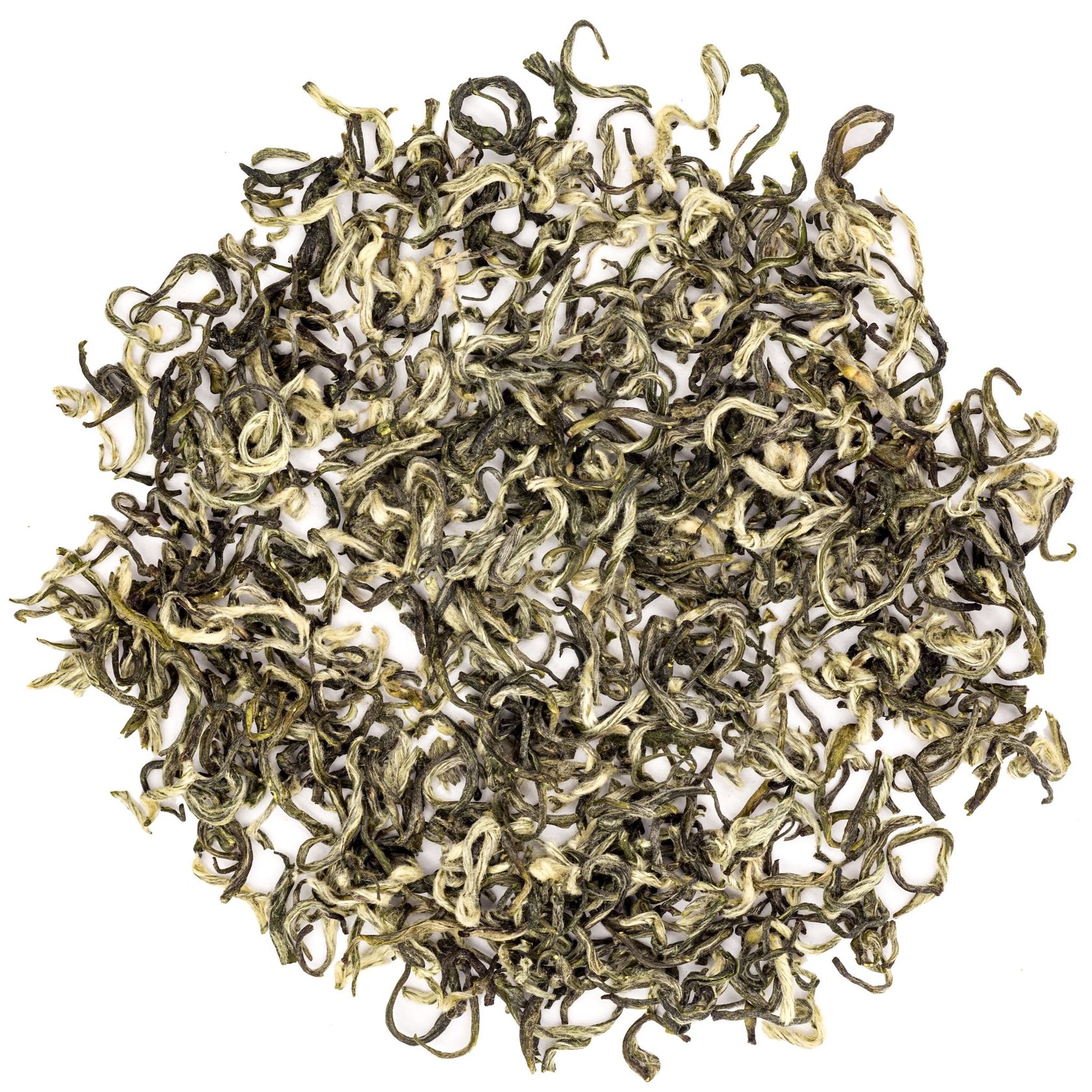
Biluochun
[bìluóchūn]
Learn more →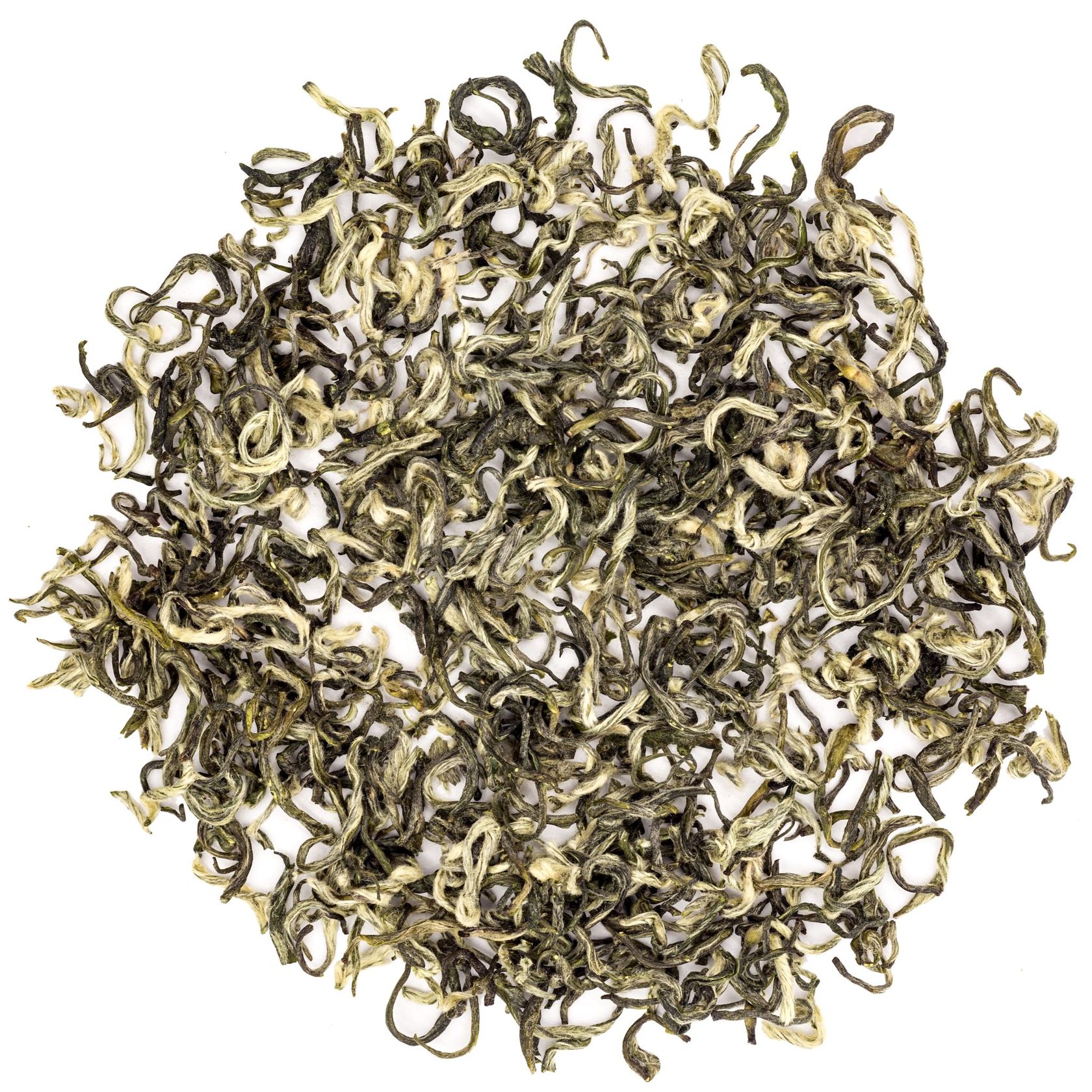
Dong Ting Bi Luo Chun
[dòngtíng bìluóchūn]
Learn more →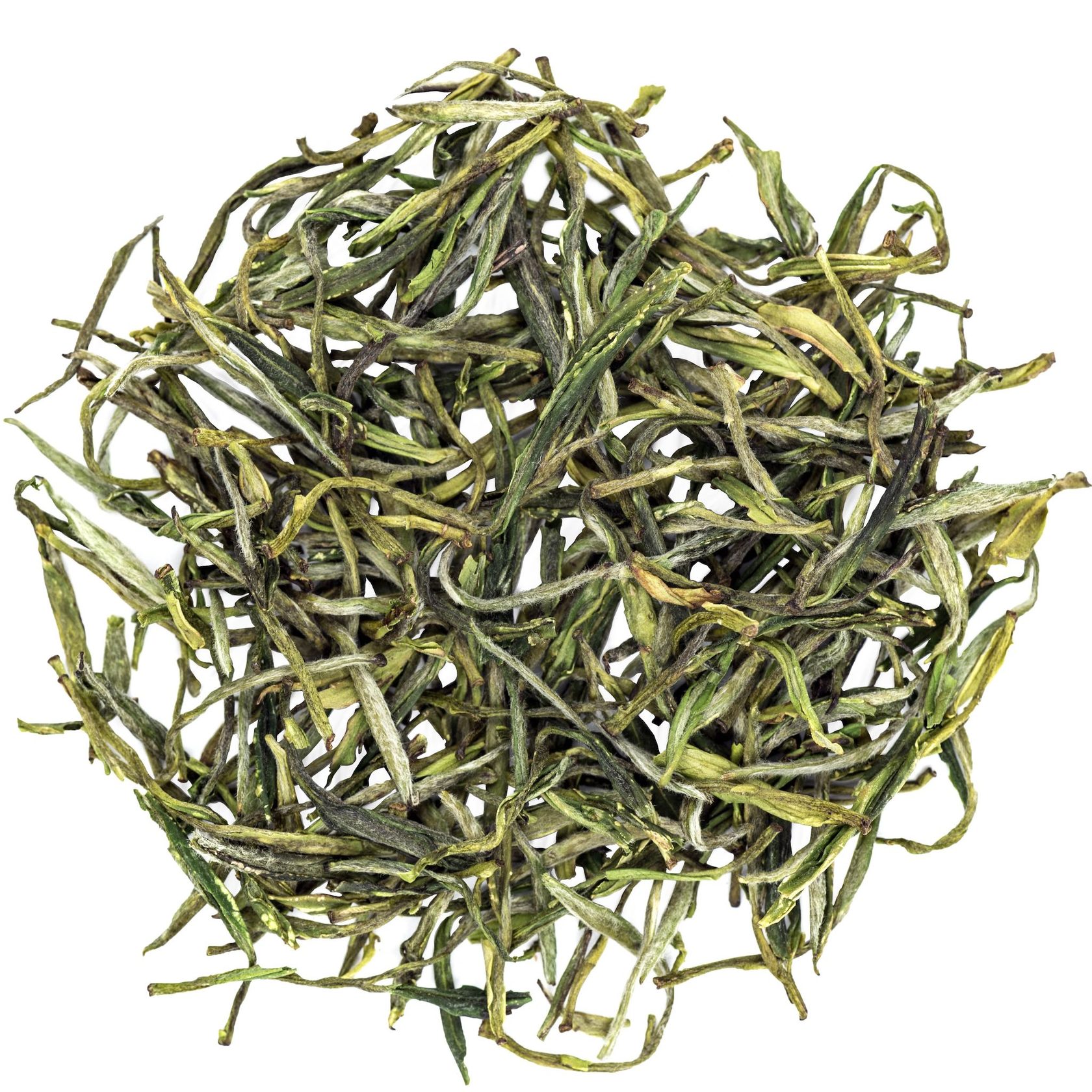
Huangshan Maofeng
[huángshān máofēng]
Learn more →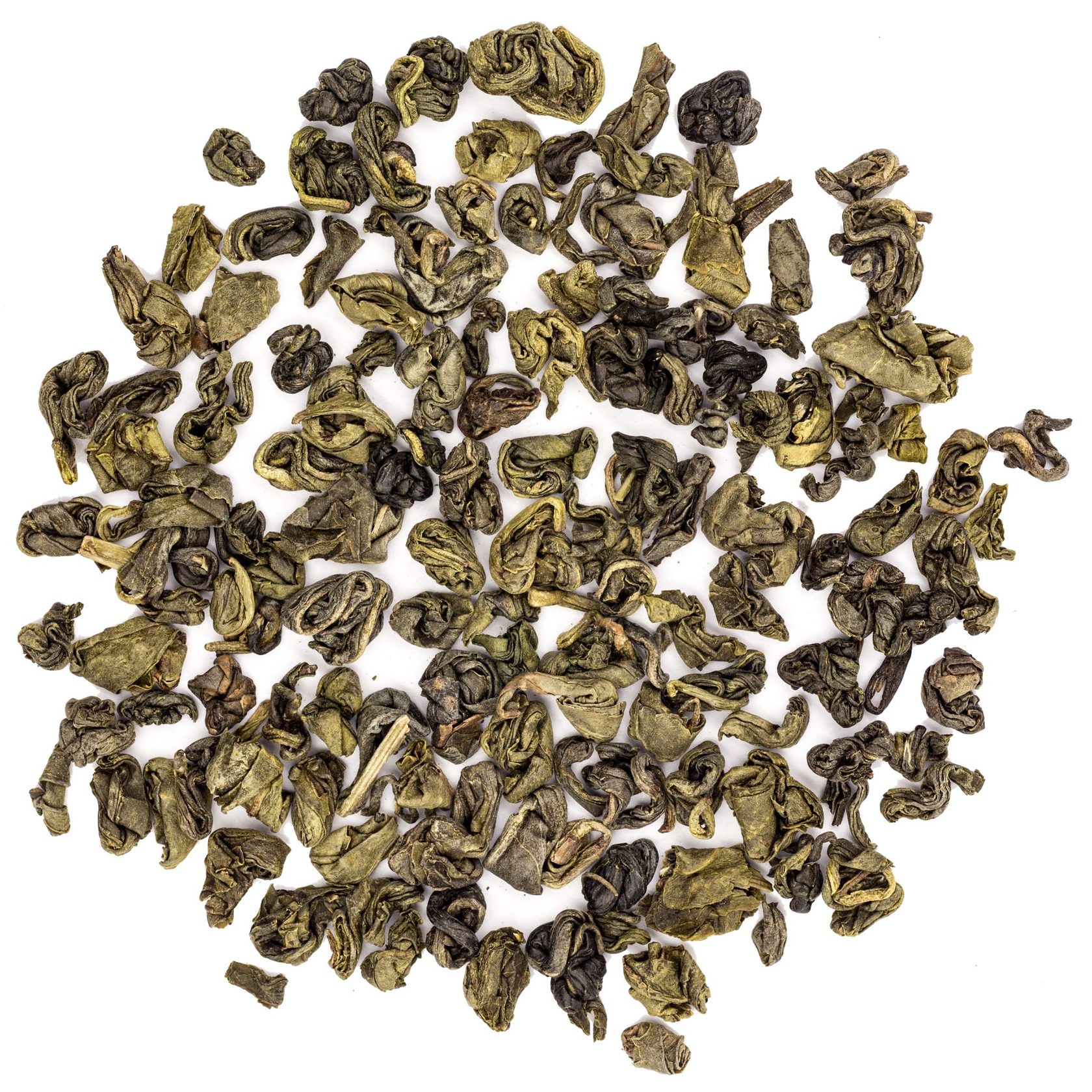
Lijiang Lü Luo
[líjiāng lǜluó]
Learn more →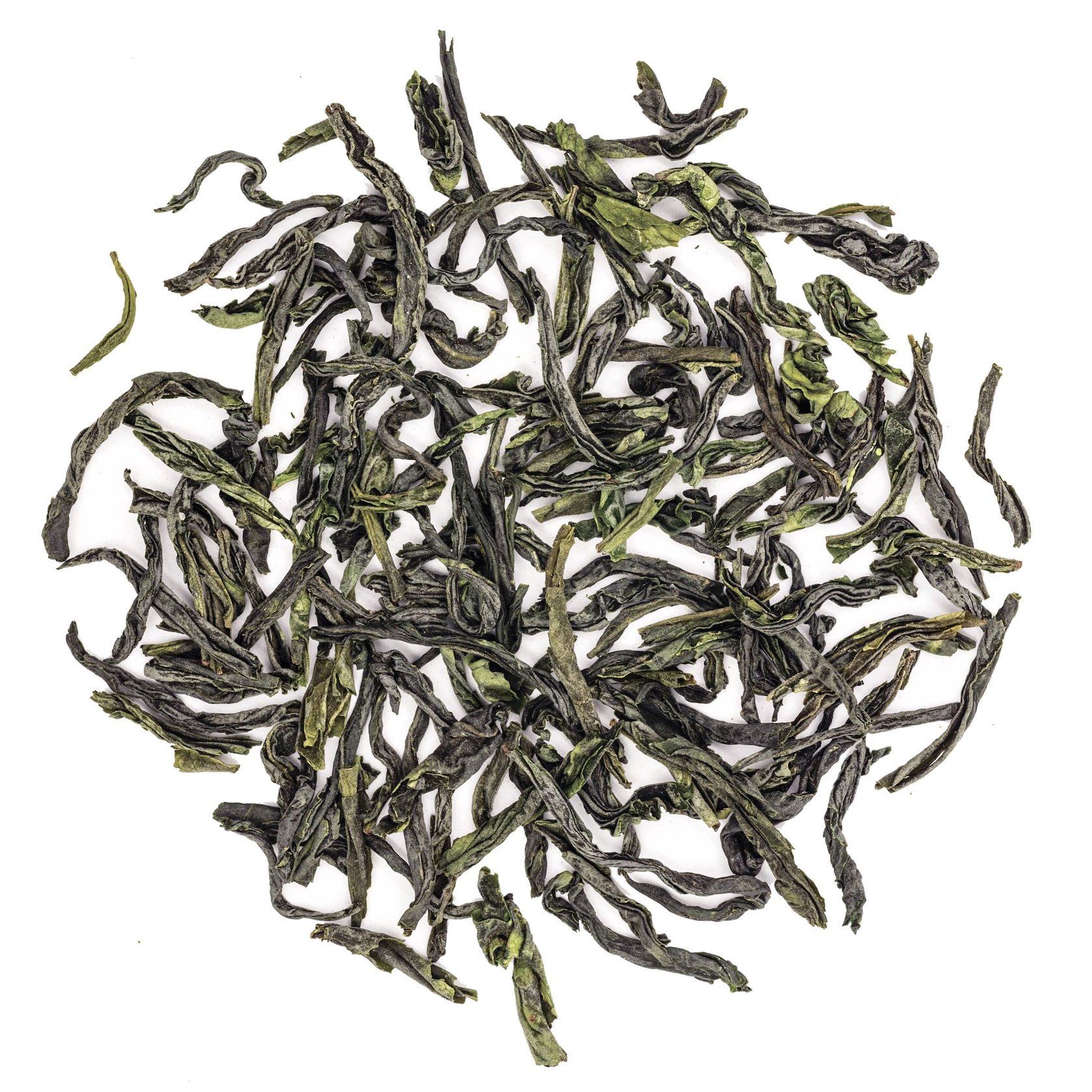
Liu An Gua Pian
[liù'ān guāpiàn]
Learn more →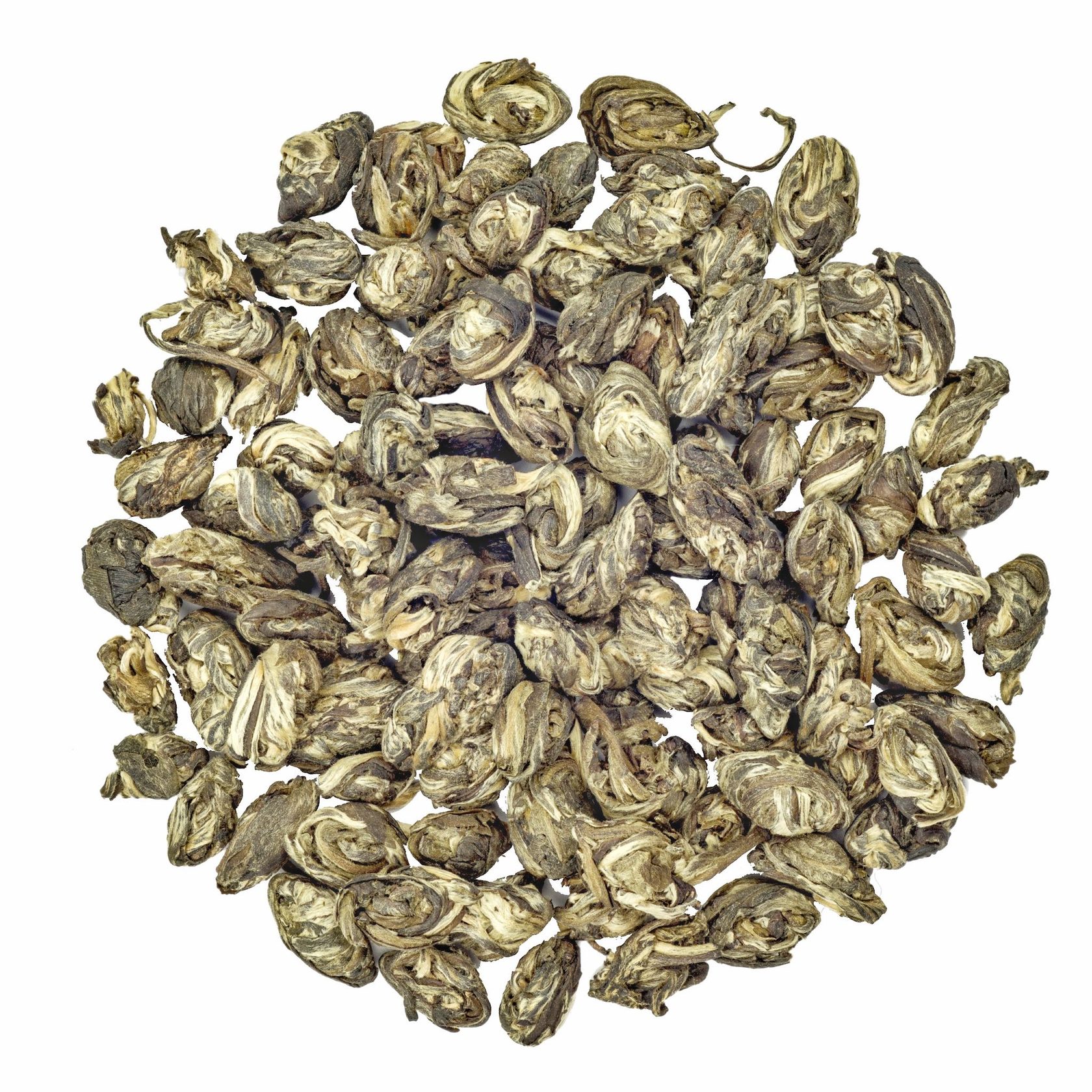
Moli Feng Yan
[mòlì fèngyǎn]
Learn more →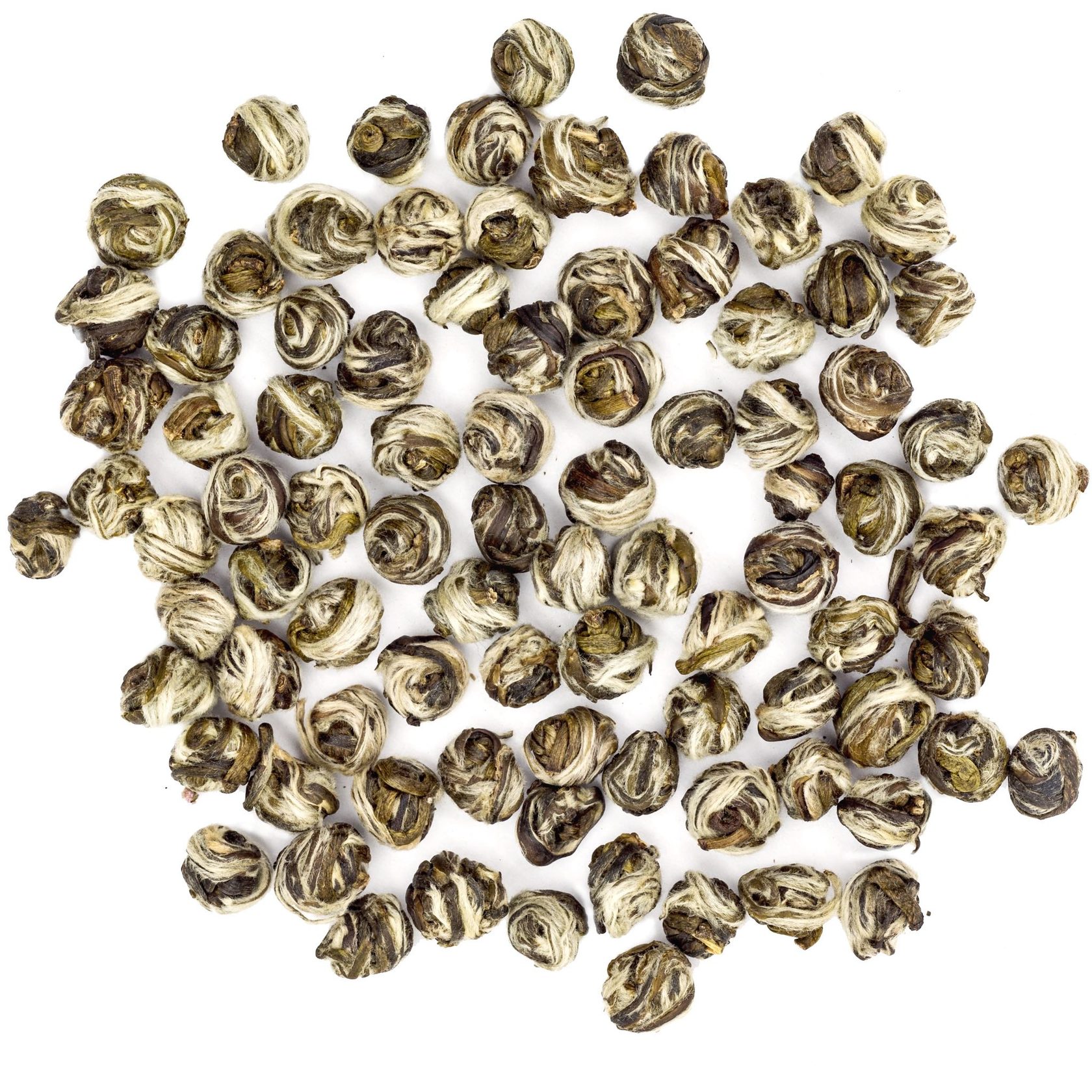
Mo Li Long Zhu
[mòlì lóngzhū]
Learn more →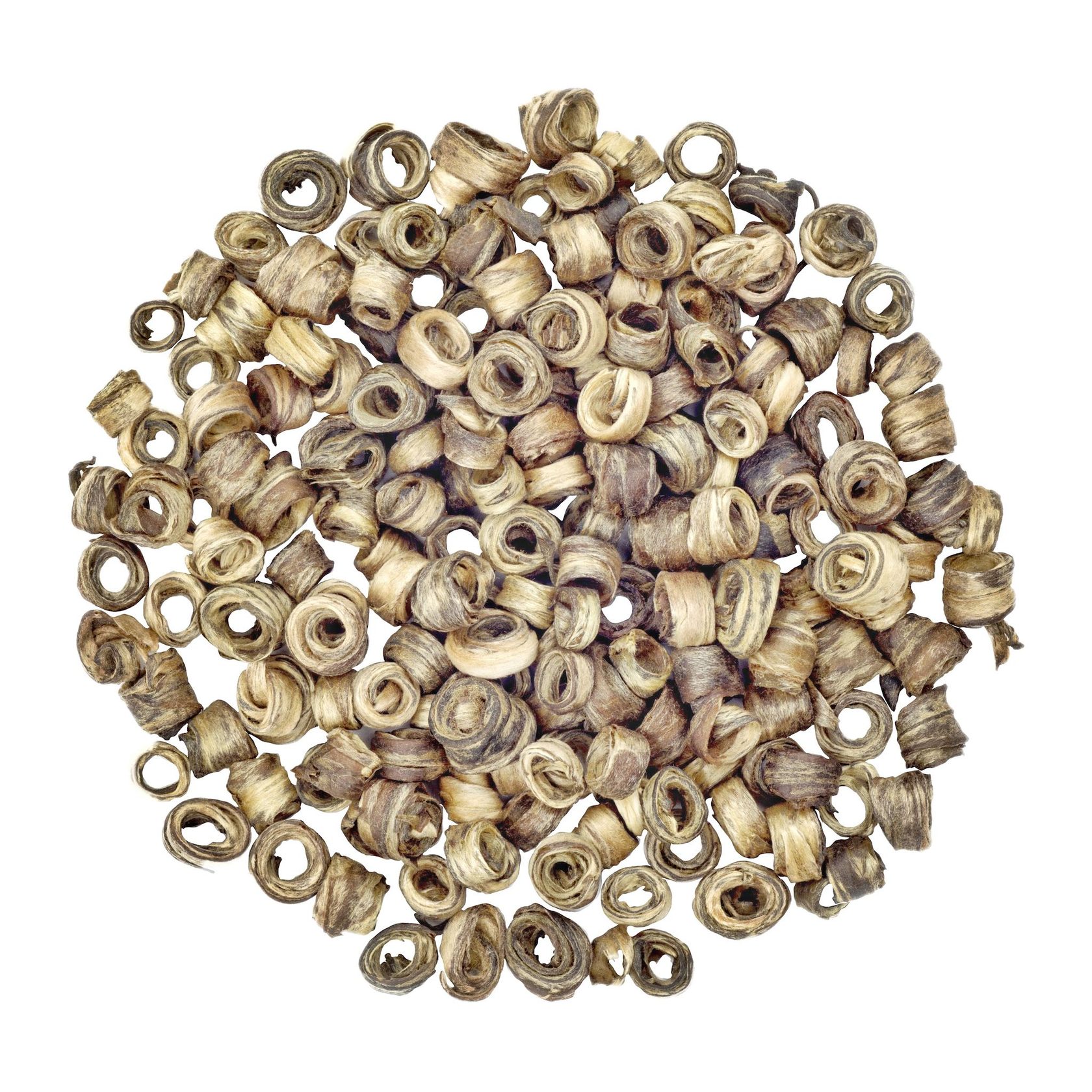
Moli Nü’er Huan
[mòlì nǚ’ér huán]
Learn more →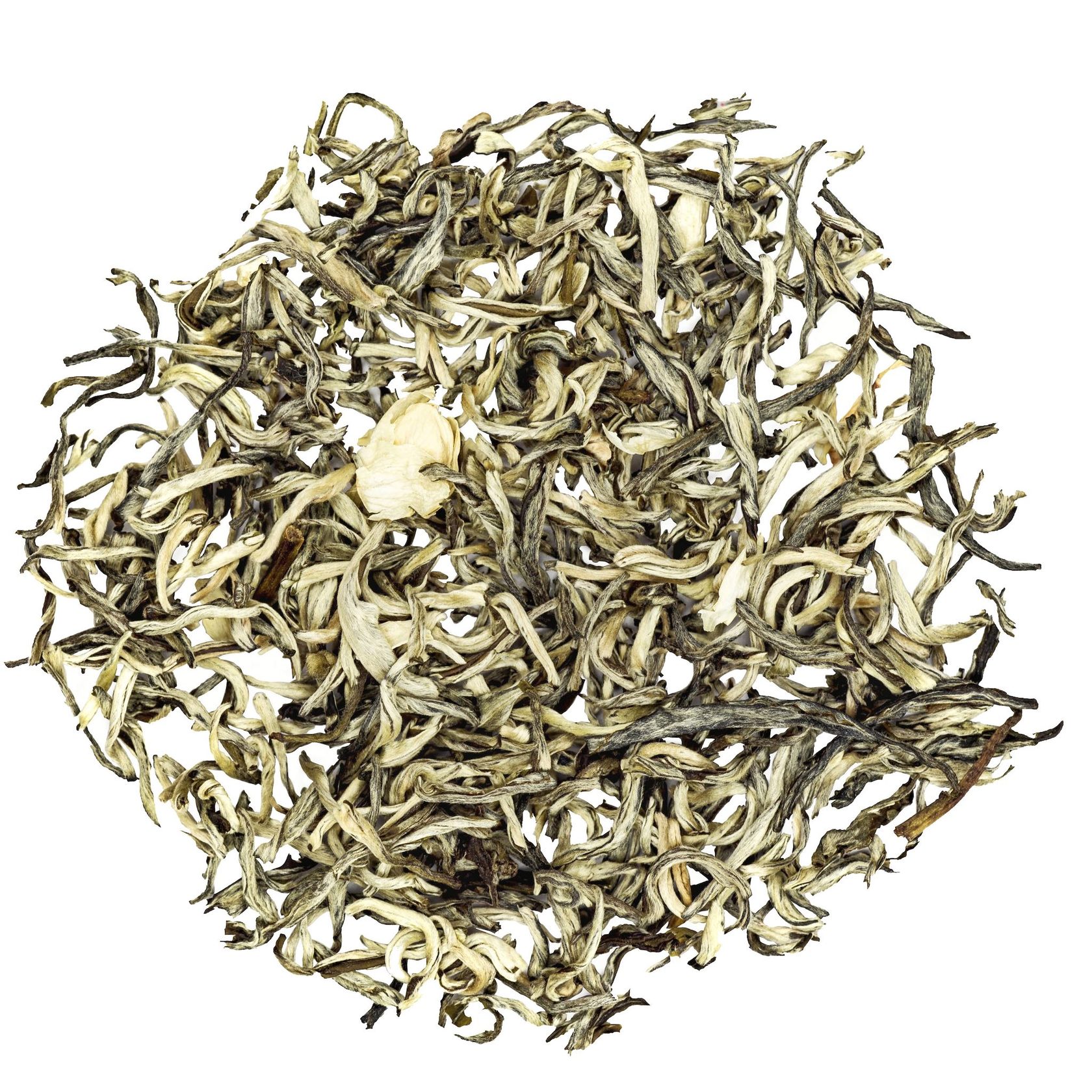
Moli Yin Hao
[mòlì yínháo]
Learn more →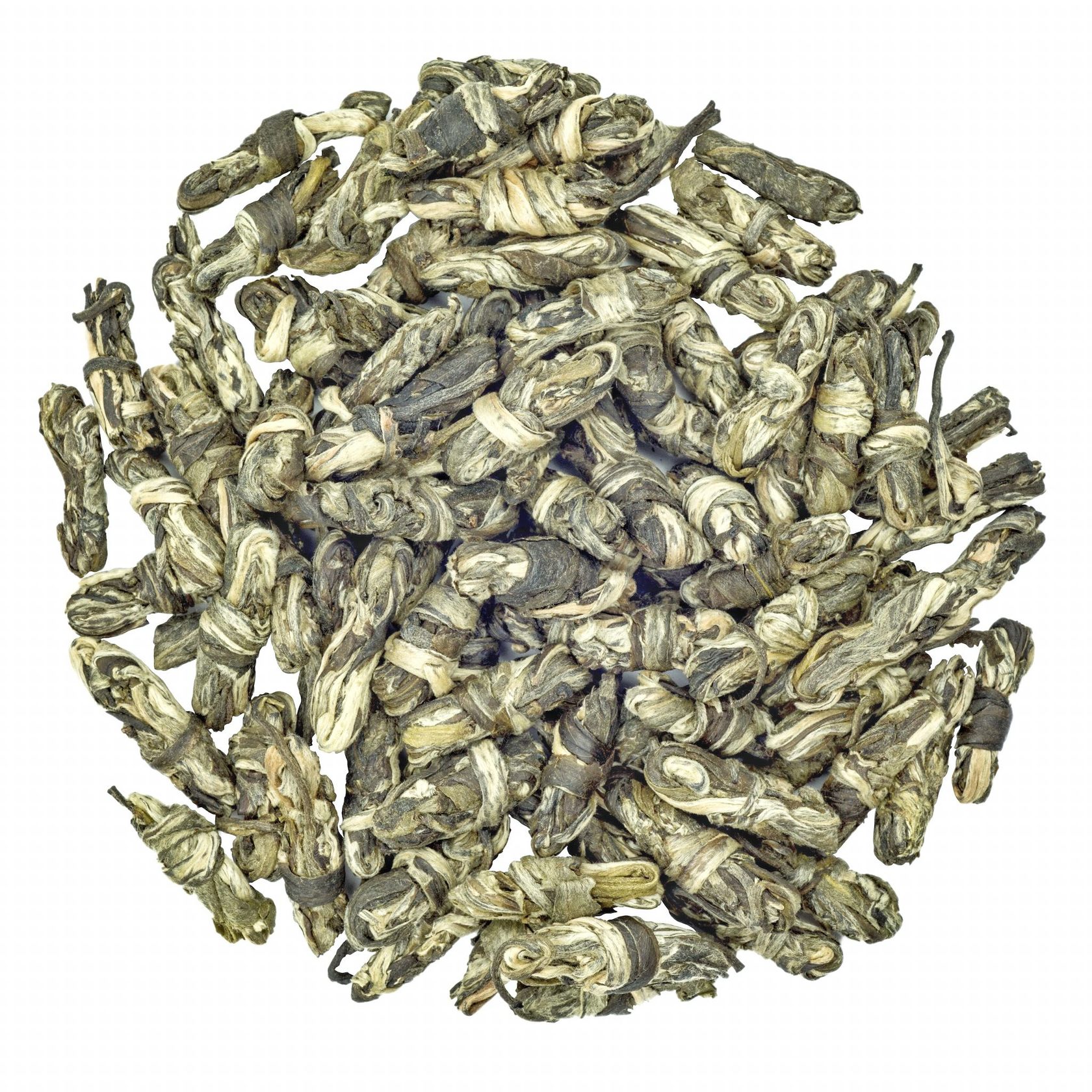
Moli Yu Die
[mòlì yùdié]
Learn more →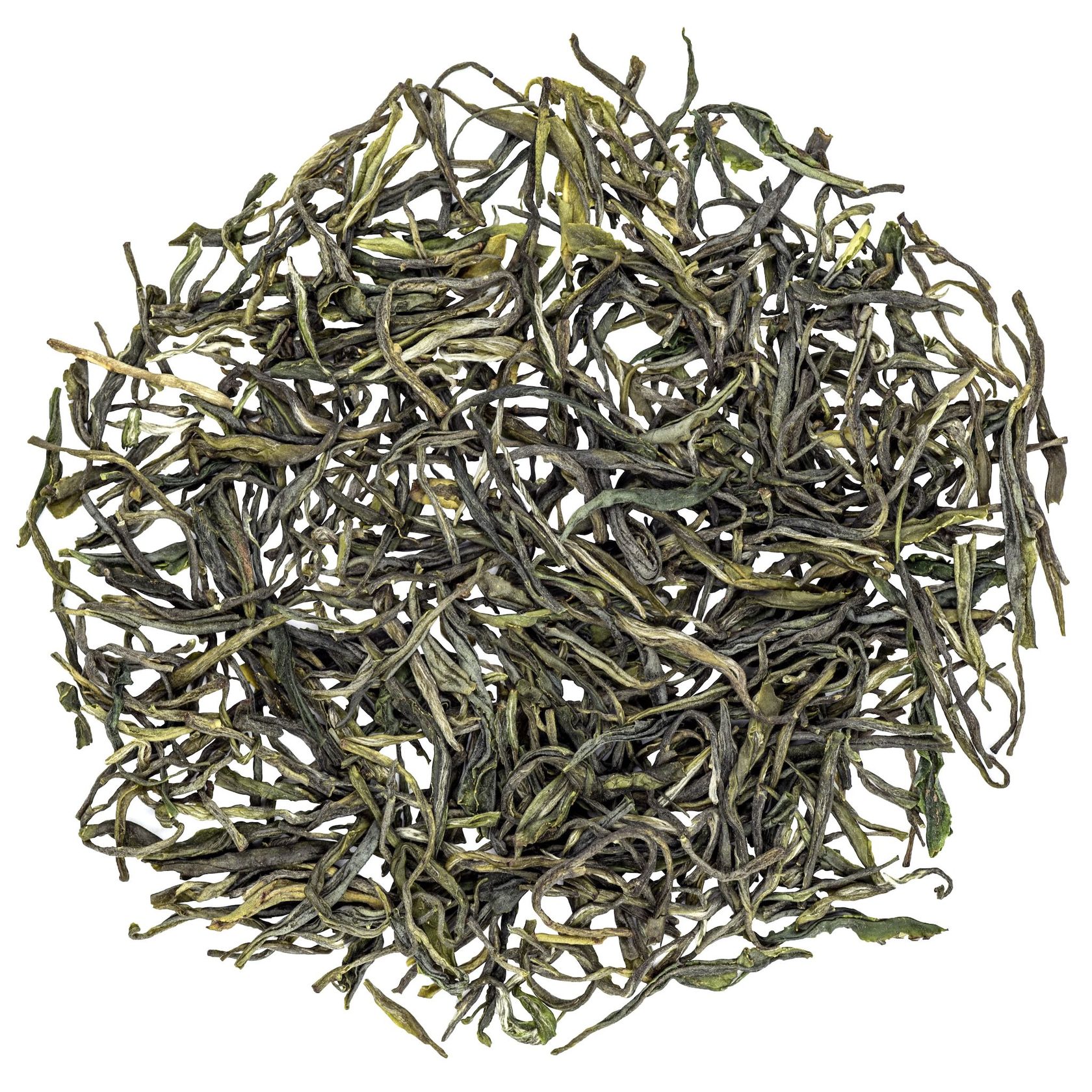
Nanjing Yuhua
[nánjīng yǔhuā chá]
Learn more →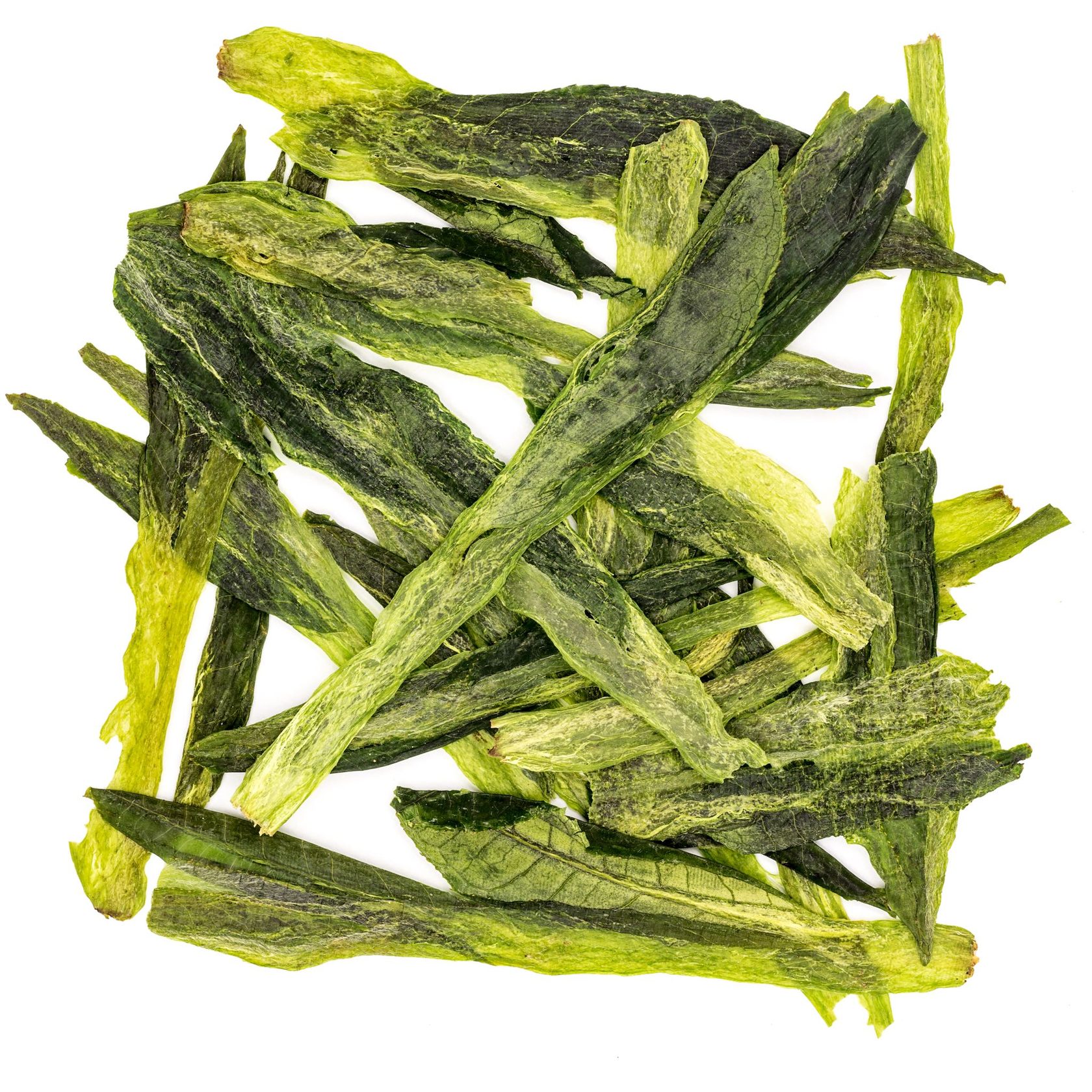
Taiping Houkui
[tàipíng hóukuí]
Learn more →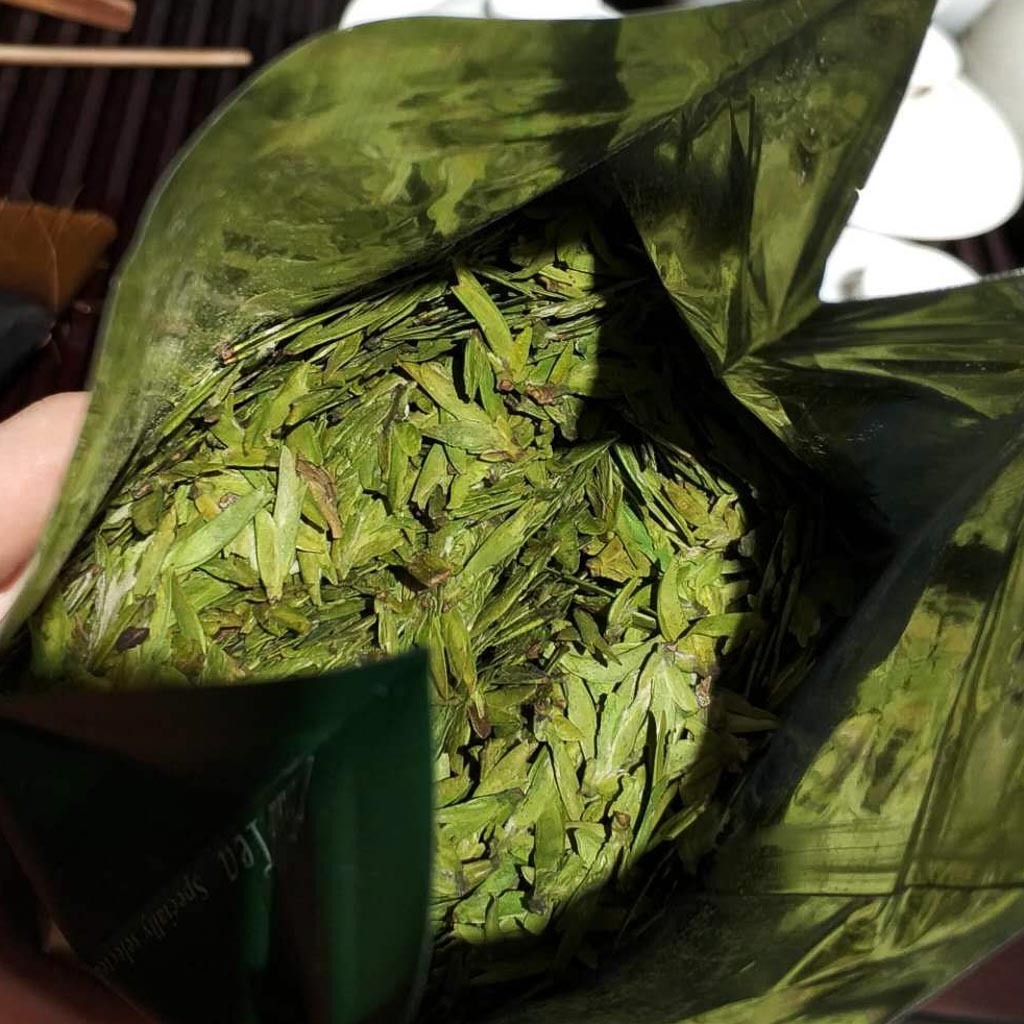
West Lake Longjing
[xīhú lóngjǐng]
Learn more →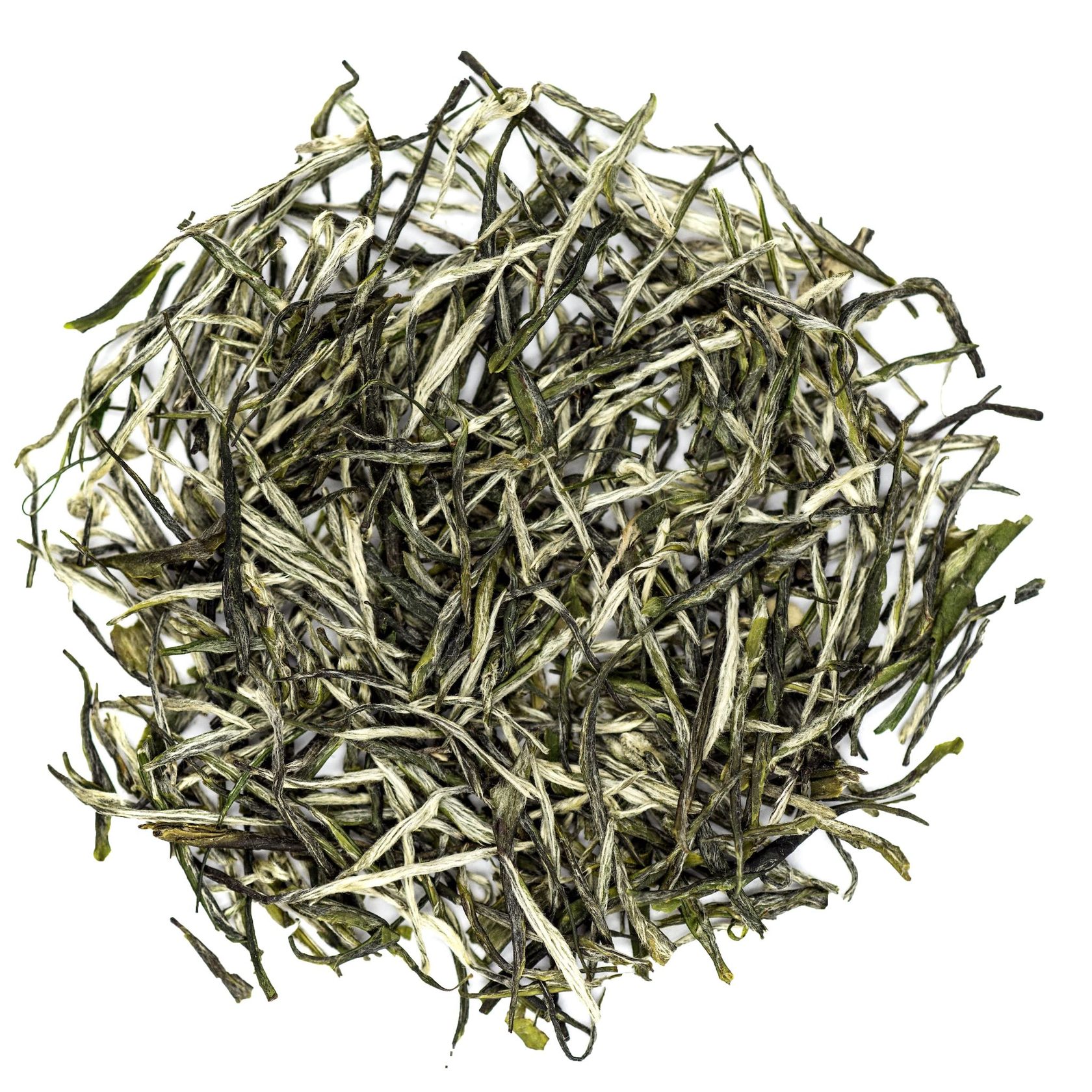
Xinyang Mao Jian
[xìnyáng máojiān]
Learn more →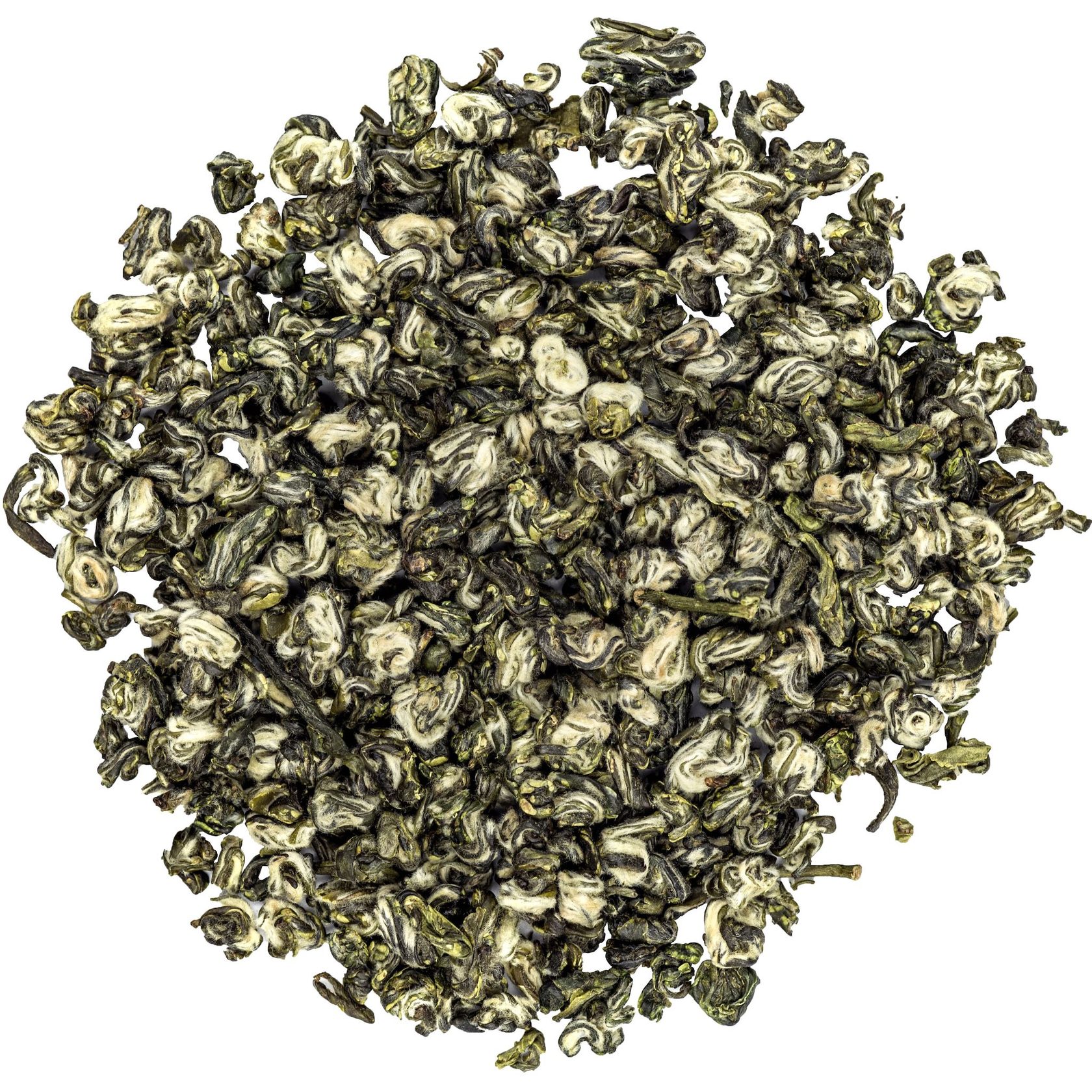
Yin Luo
[yín luó]
Learn more →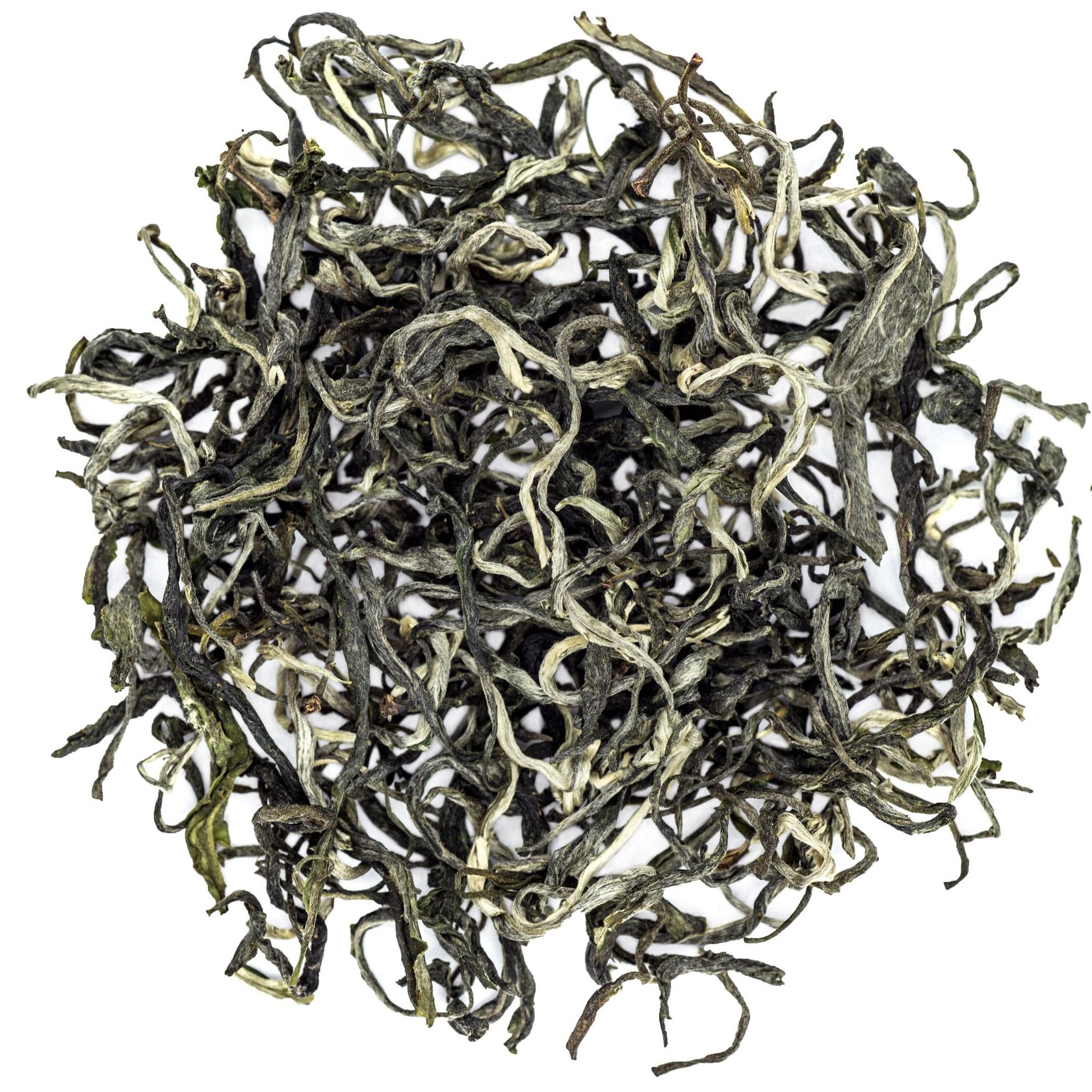
Yunnan Lücha
[yúnnán lǜchá]
Learn more →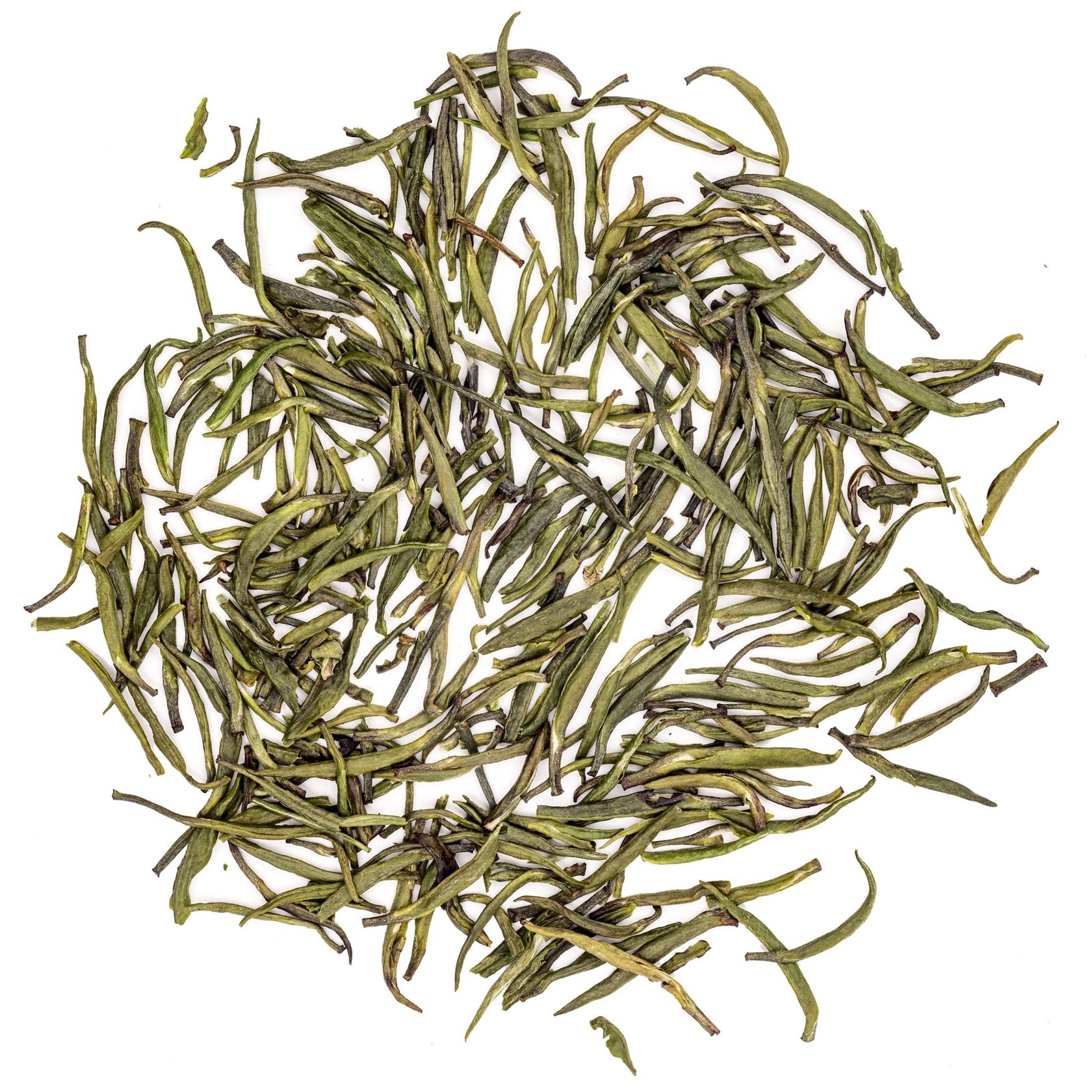
Zhu Ye Qing
[zhúyèqīng]
Learn more →