The seven classes · 06
Oolong tea
wūlóng · 乌龙茶
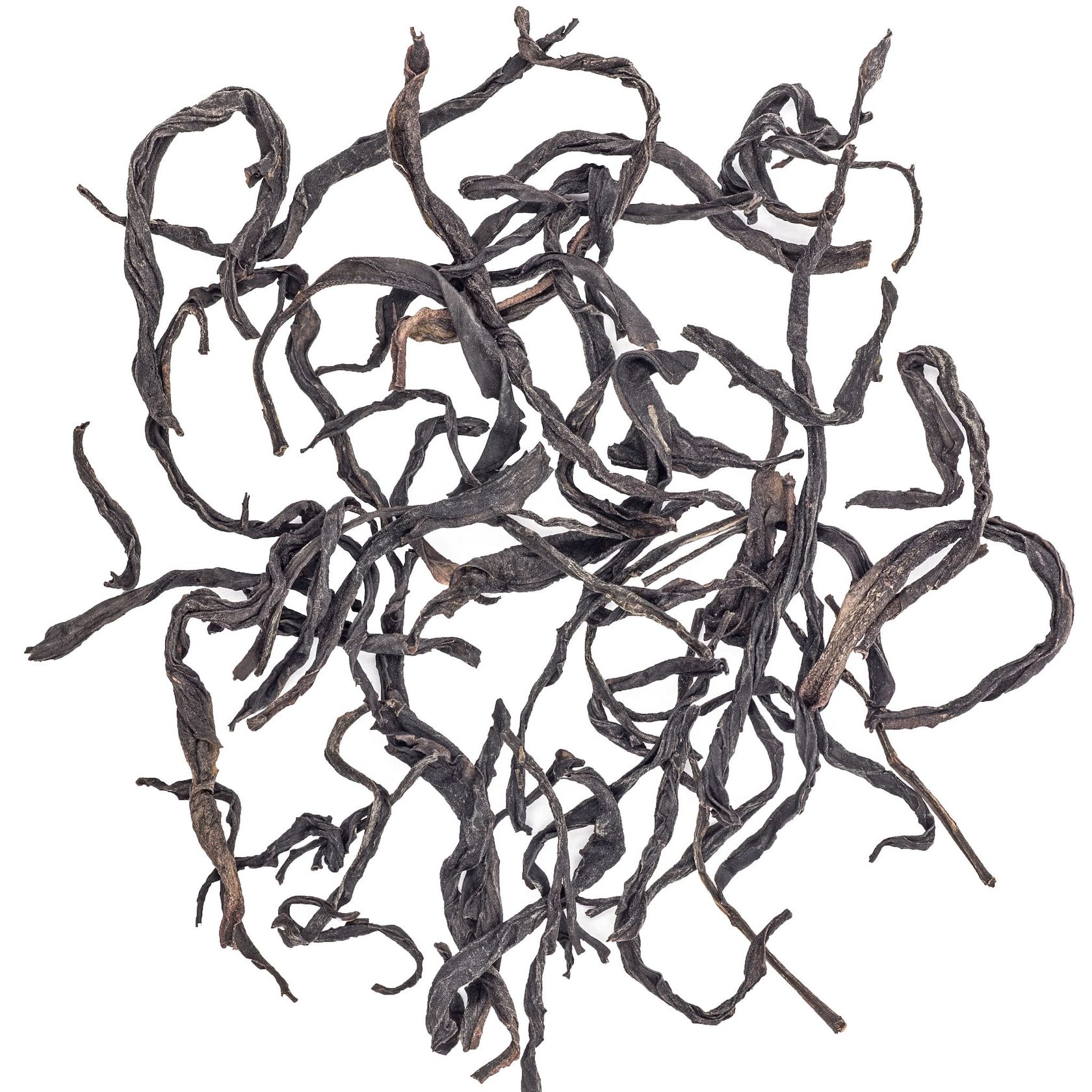
Oolong lives in the wide country between green and red — partly oxidised, then often roasted, with the leaf bruised at its edges and shaped by hand. It is the most varied and the most virtuosic of the seven classes.
Oxidation · Partly oxidised — anywhere from 10% to 80%
Oolong is not a point but a spectrum. By choosing how far to let the leaf oxidise — and whether and how hard to roast it — the maker can land anywhere from a pale, lilac-floral cup to a dark, roasted, almost-red one. No other class asks so much of the hands that make it.
The defining step is bruising: the leaves are tumbled so their edges break and oxidise while the centres stay green, then fixed mid-way to lock the balance. The two great homelands are the Wuyi cliffs of Fujian (dark, mineral yánchá “rock tea”) and Anxi (the green, orchid-floral Tieguanyin), with Taiwan adding its own high-mountain lineage.
Two poles, one class
At one pole: a green Tieguanyin or a Taiwanese Alishan — light, floral, creamy, brewed many short times in a tiny pot. At the other: a roasted Wuyi Da Hong Pao — dark, mineral, toasty, with a finish the Chinese call yányùn, “rock rhyme”. Both are oolong; that is the wonder of the class.
Varieties in this class
Oolong tea
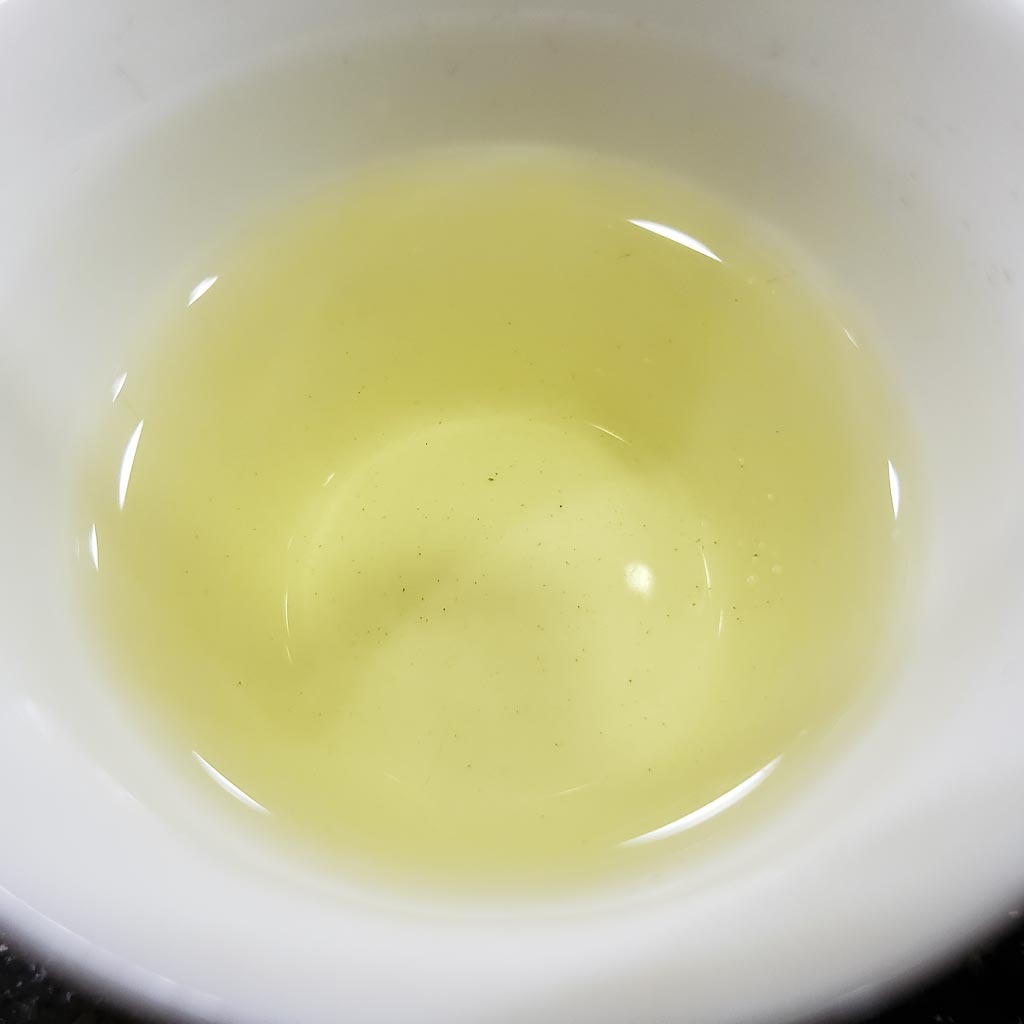
Alishan Oolong
[ālǐshān wūlóng]
Learn more →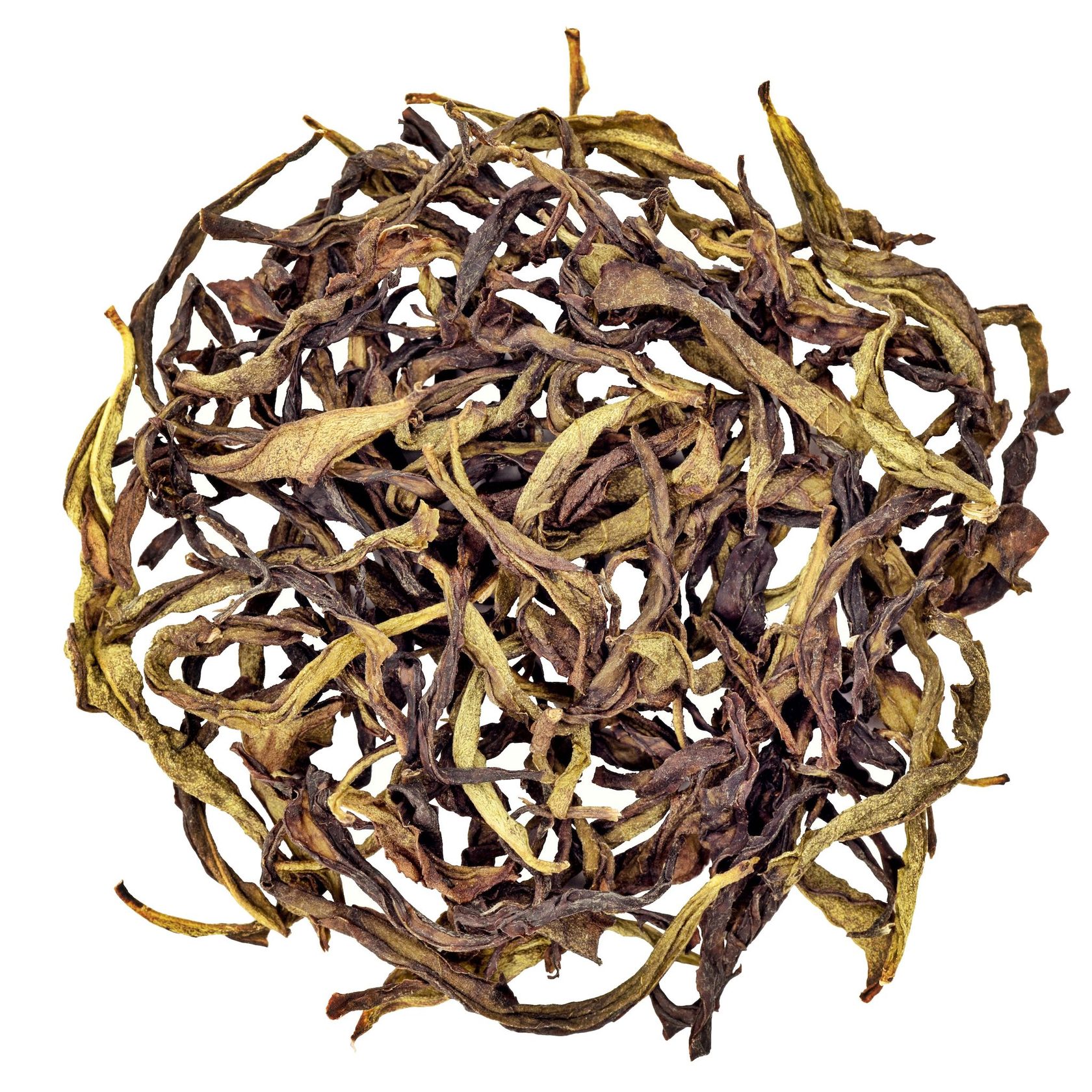
Bai Ji Guan
[báijīguān]
Learn more →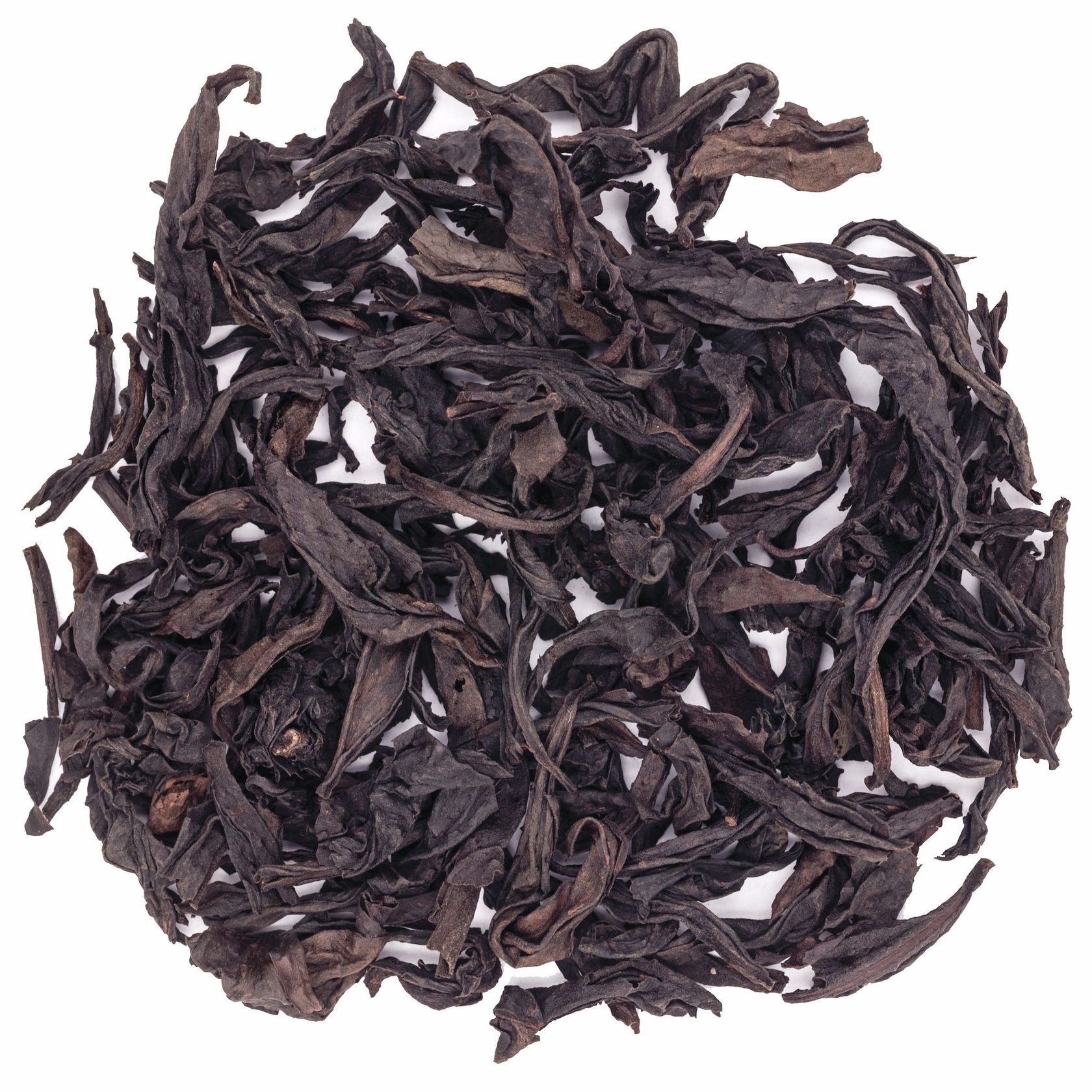
Ban Tian Yao
[bàn tiān yāo]
Learn more →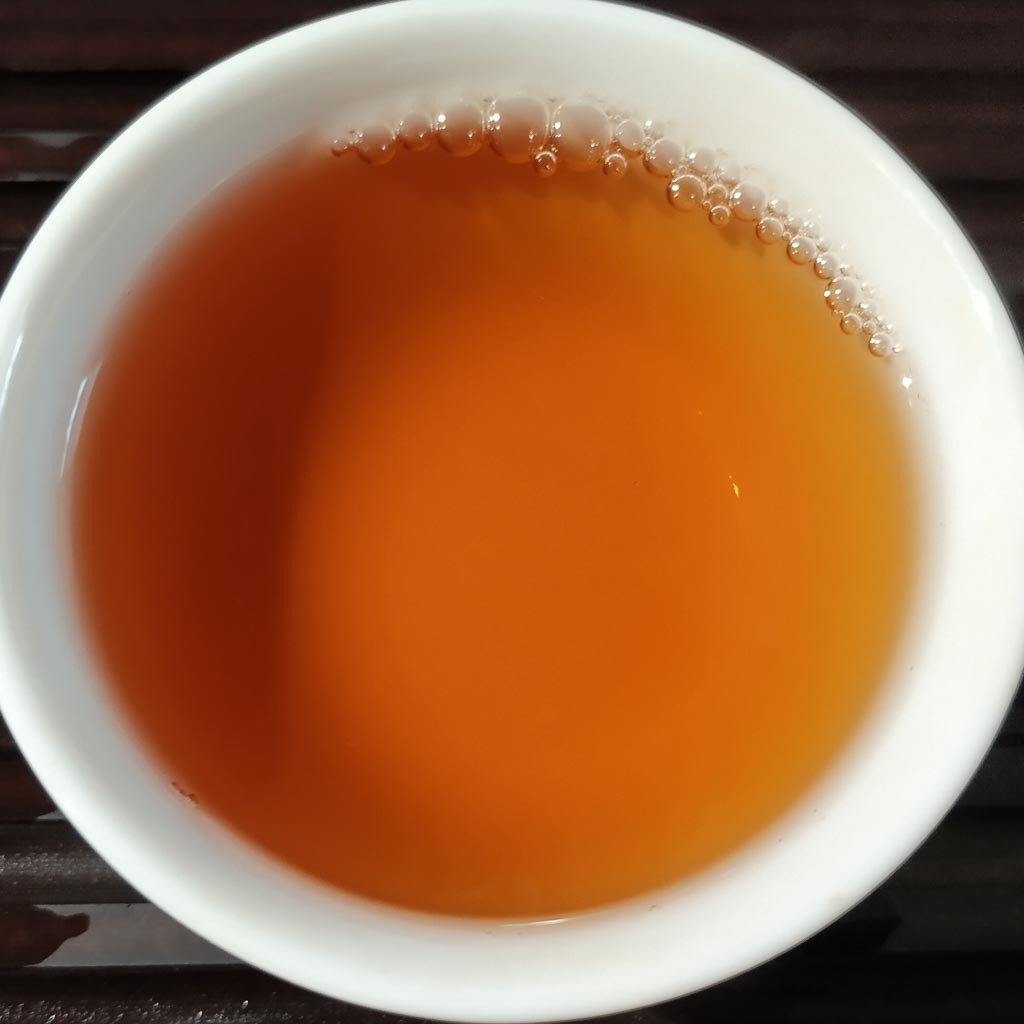
Da Hong Pao
[dàhóngpáo]
Learn more →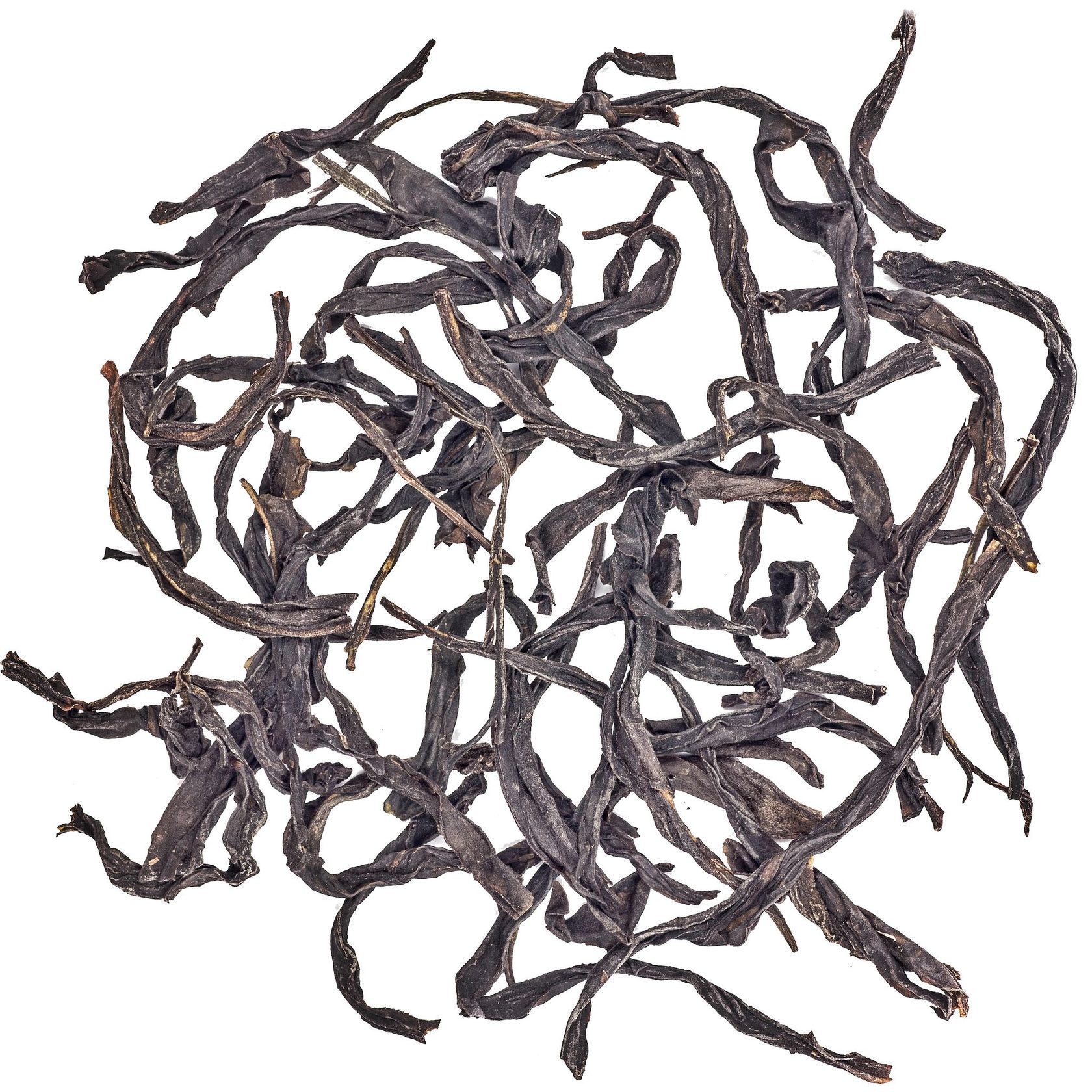
Dan Cong Mi Lan Xiang
[dāncōng mì lán xiāng]
Learn more →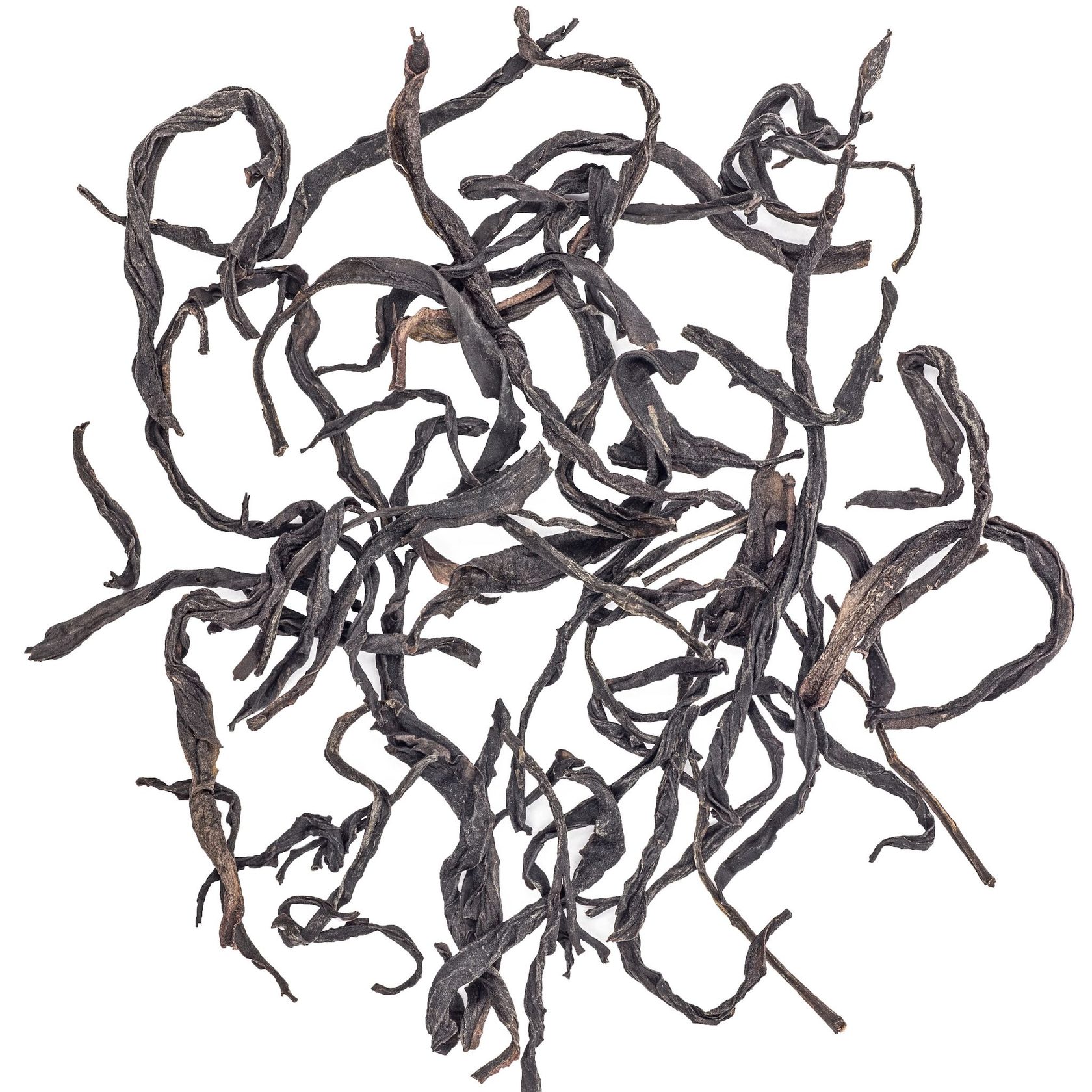
Dan Cong Song Zhong
[dāncóng sòngzhǒng]
Learn more →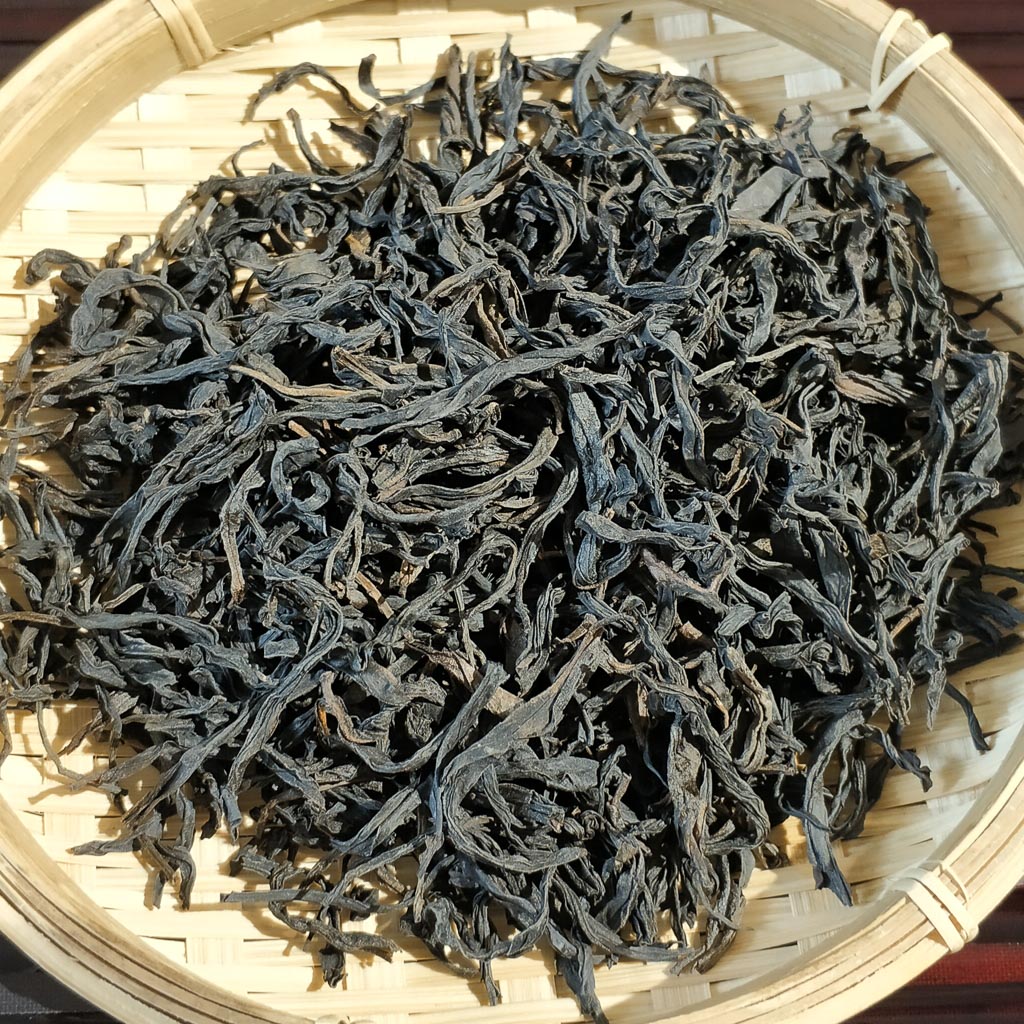
Dan Cong Xing Ren Xiang
[dāncóng xìngrén xiāng]
Learn more →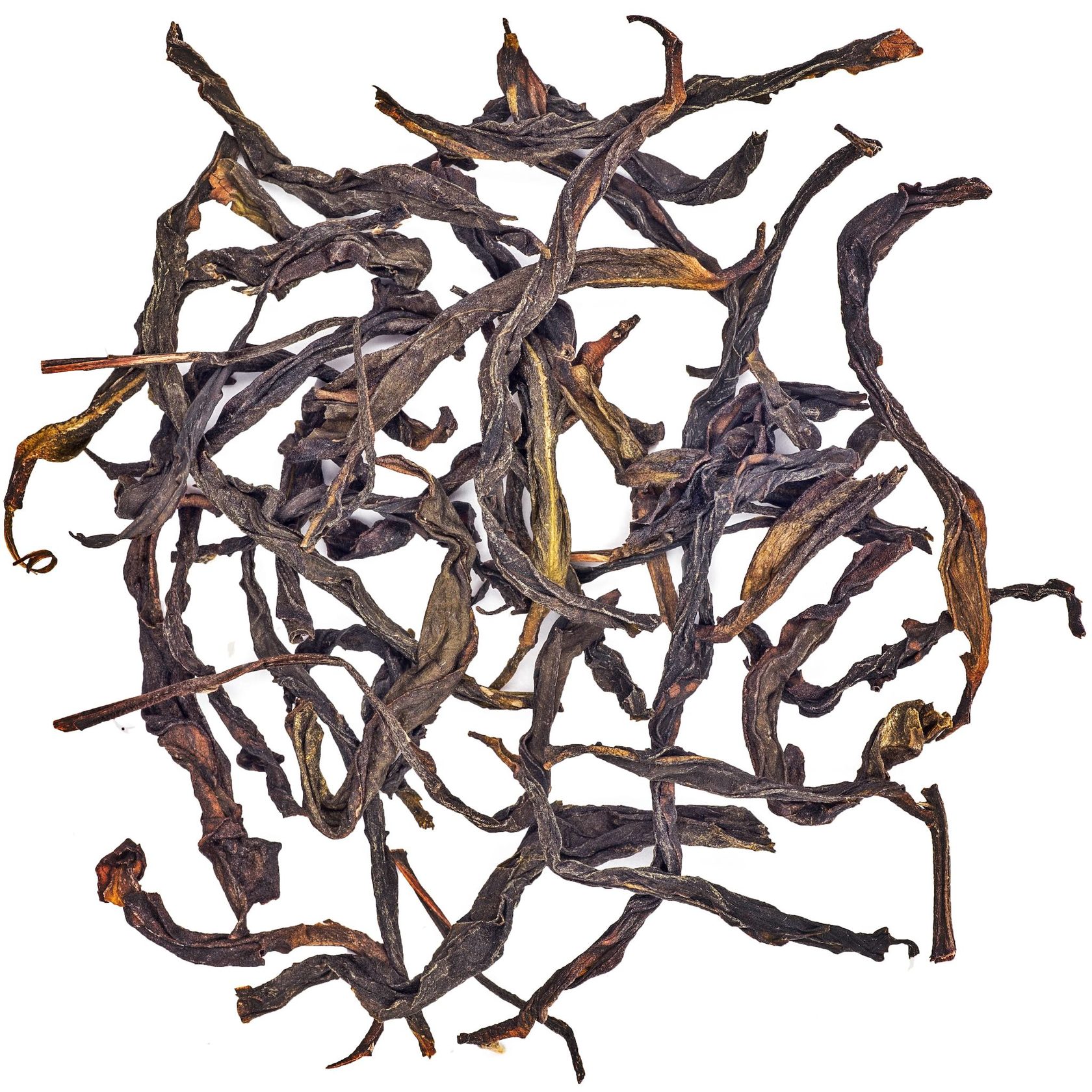
Dan Cong Ya Shi Xiang
[dāncóng yāshǐ xiāng]
Learn more →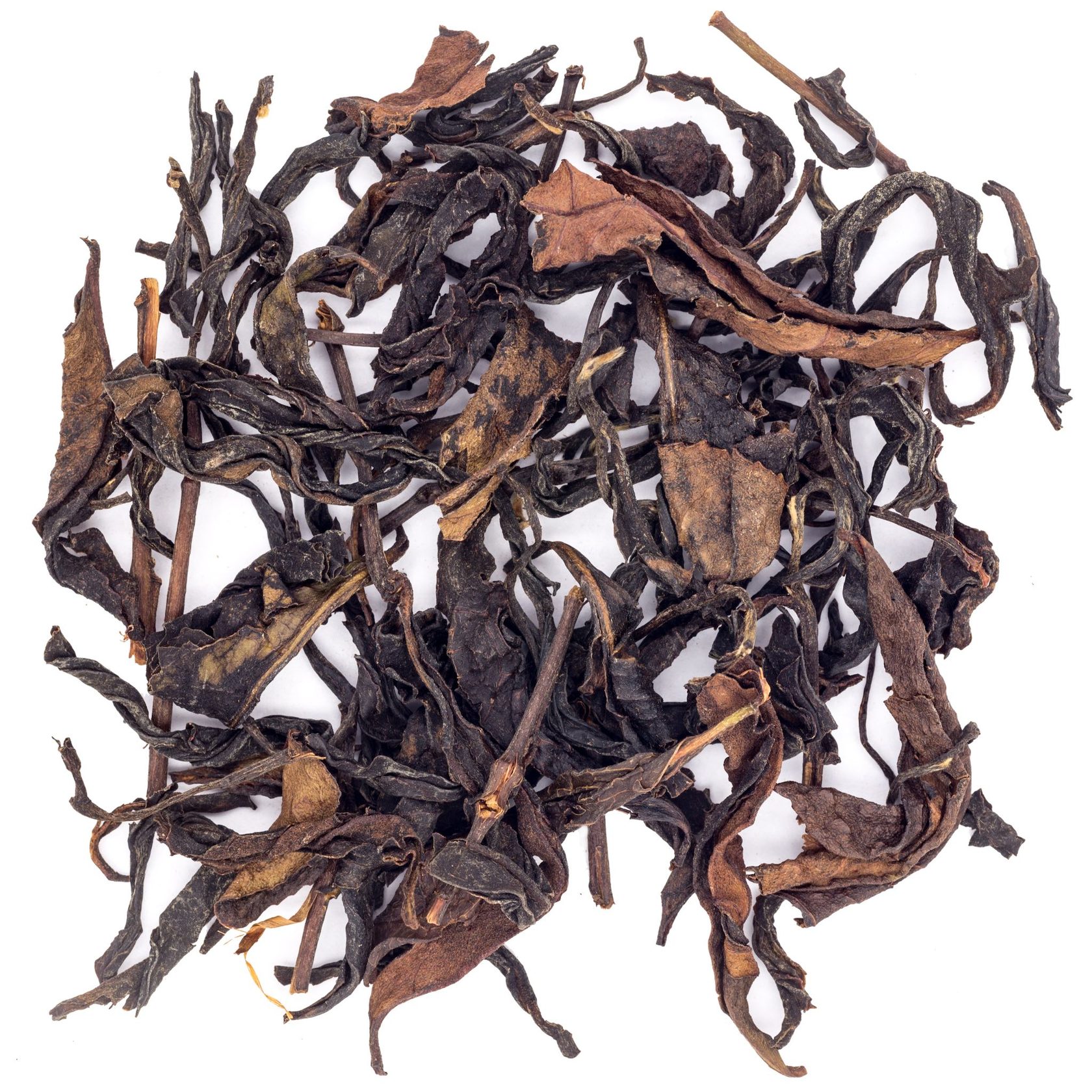
Datian Mei Ren Cha
[dàtián měirén chá]
Learn more →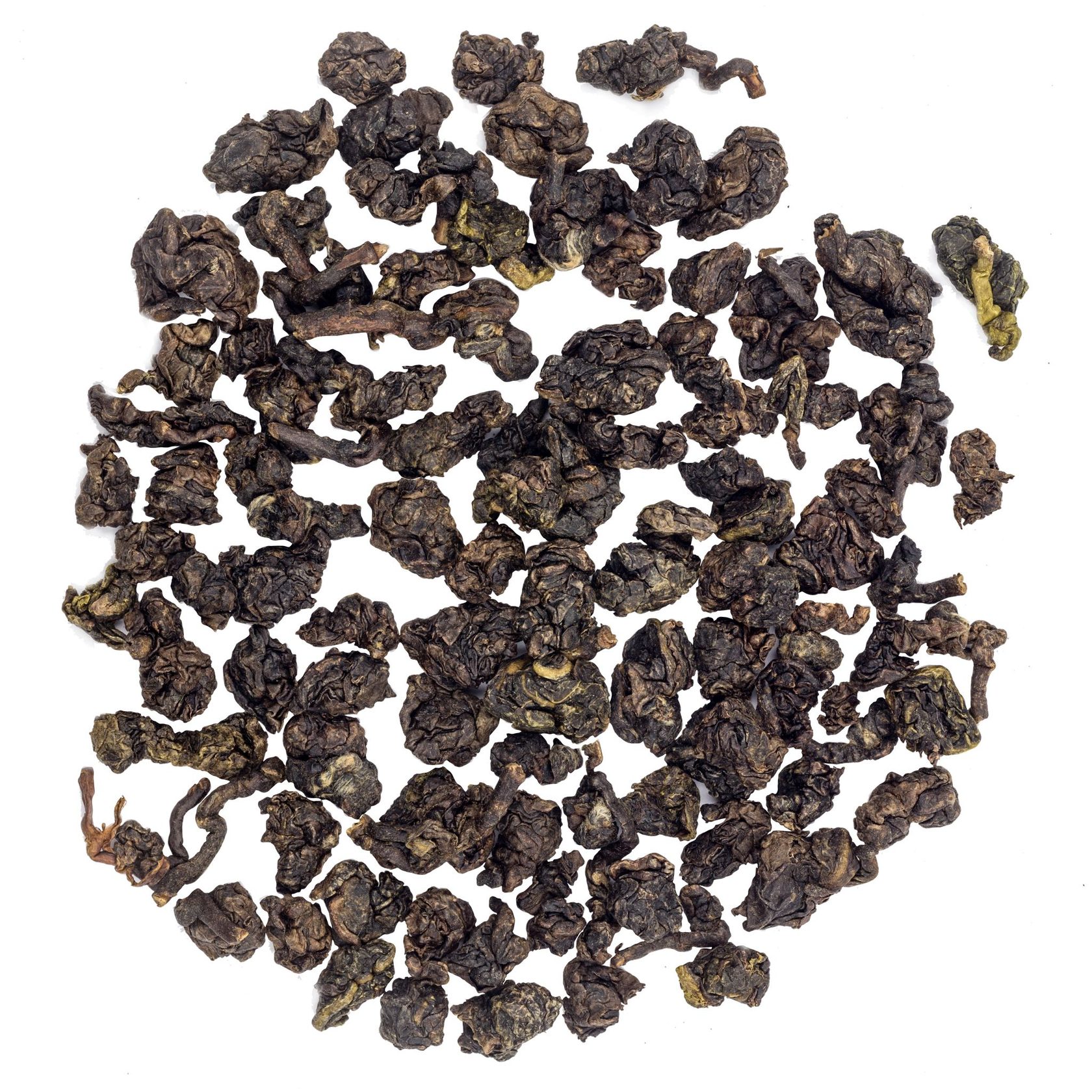
Dong Ding Oolong
[dòngdǐng wūlóng]
Learn more →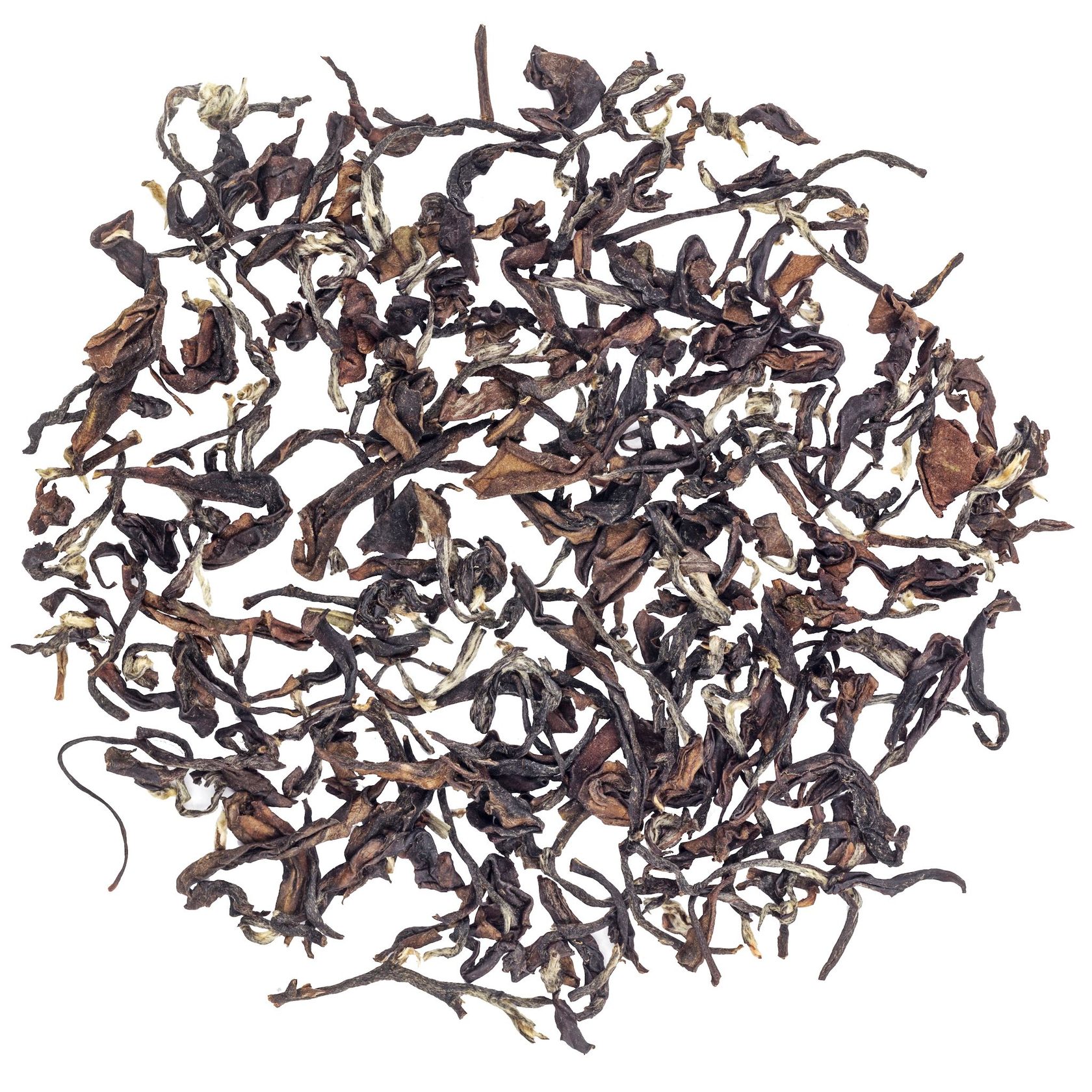
Dong Fang Mei Ren
[dōngfāng měirén]
Learn more →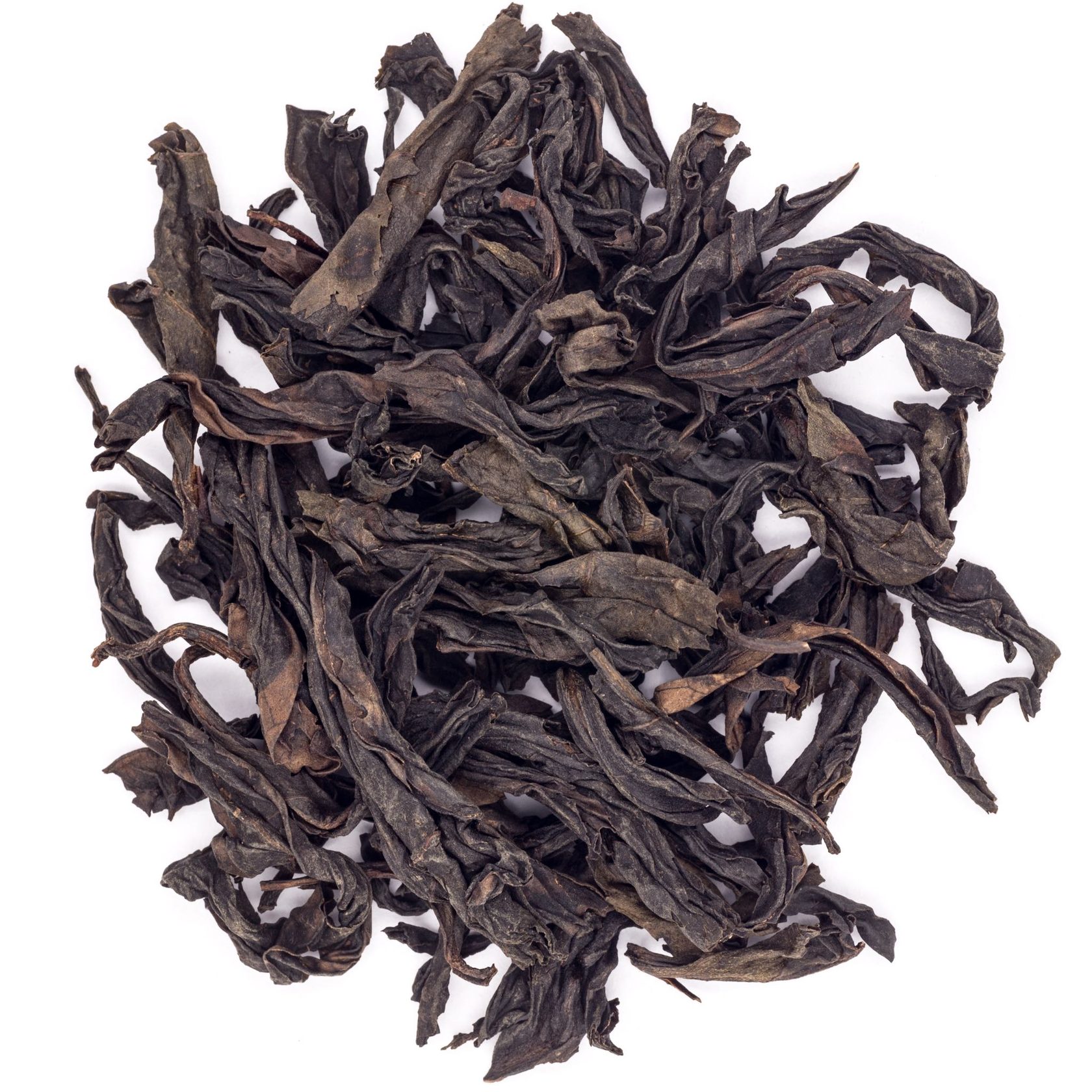
Fo Shou
[fó shǒu]
Learn more →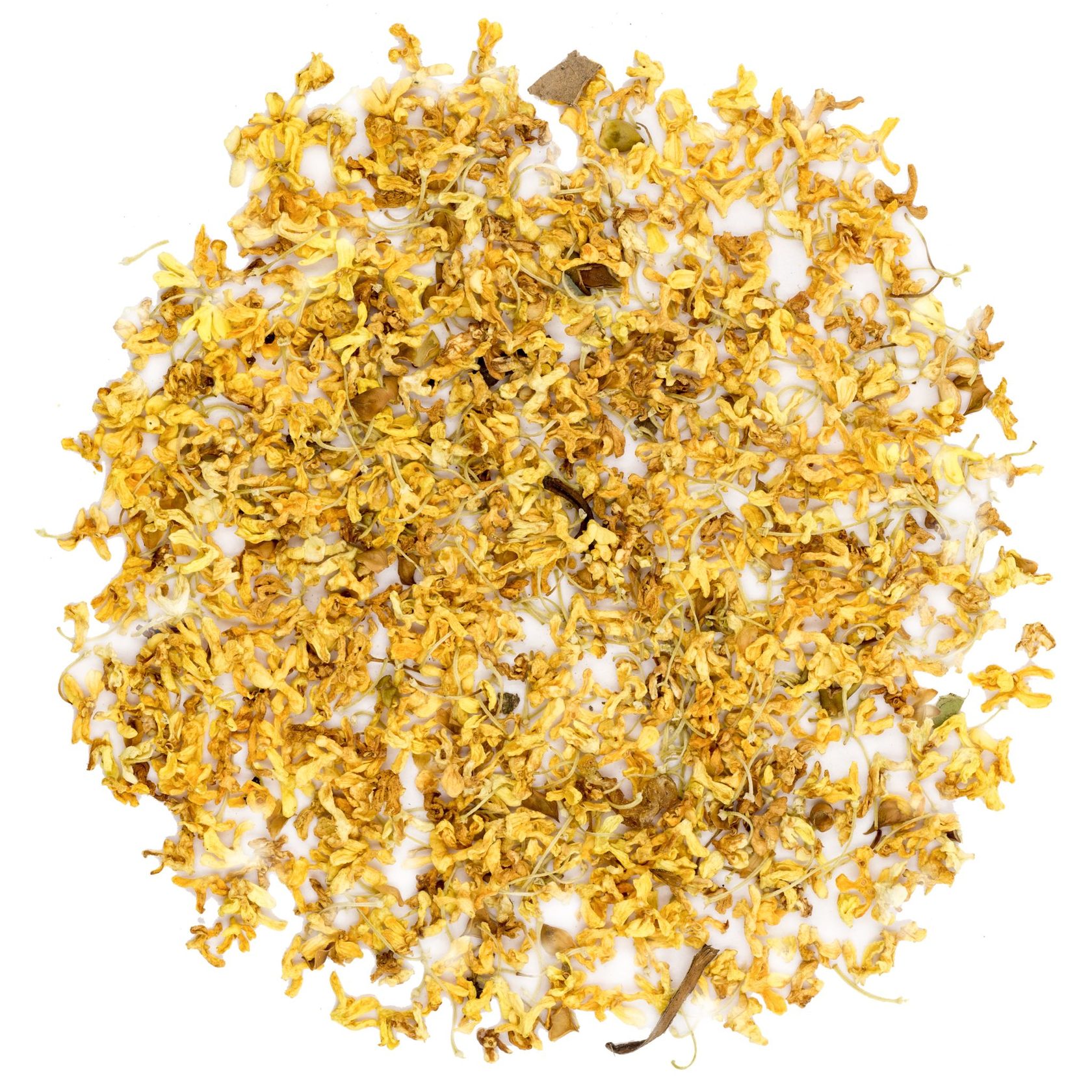
Gui Hua Xiang Dancong
[guìhuā xiāng dāncóng]
Learn more →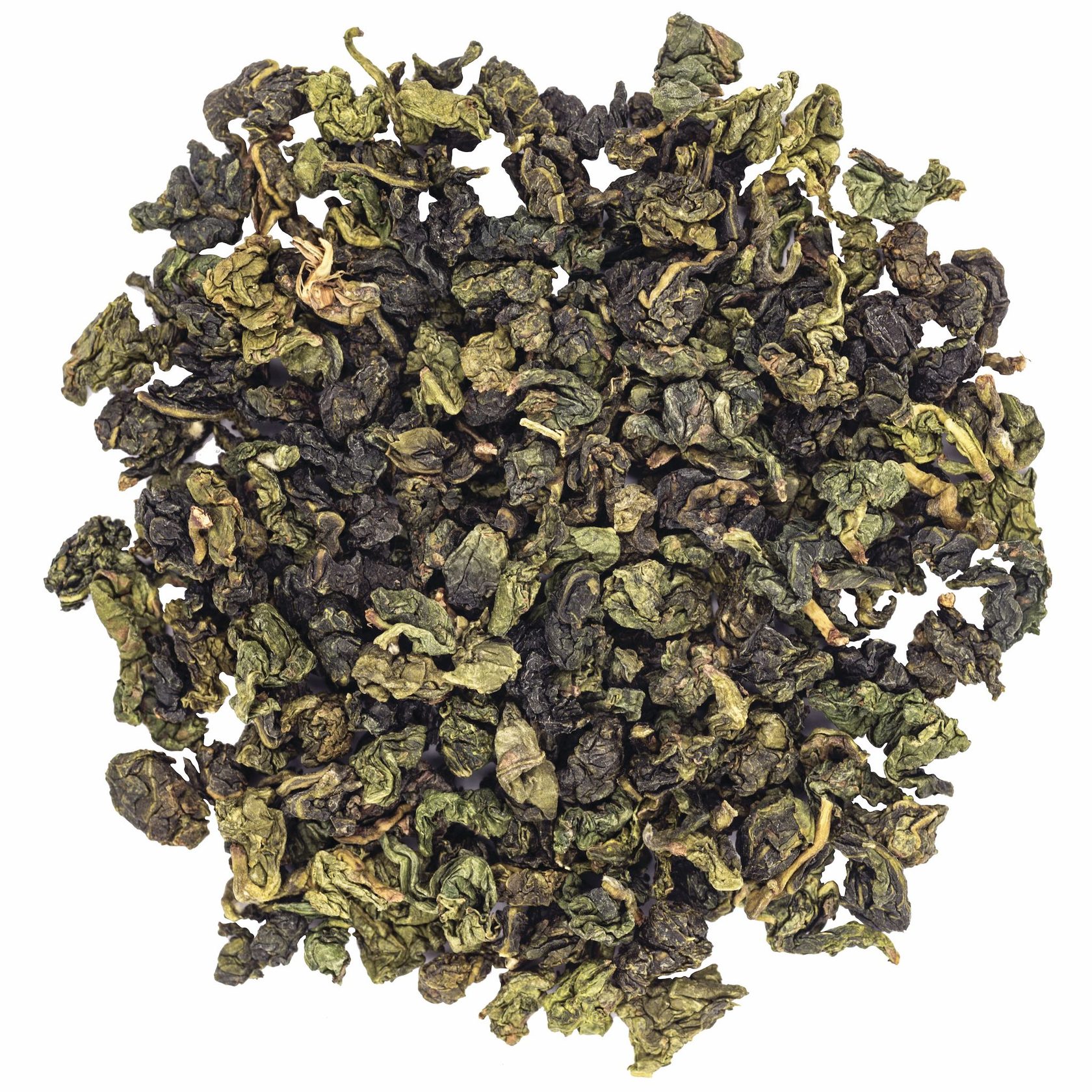
Huang Jin Gui
[huángjīn guì]
Learn more →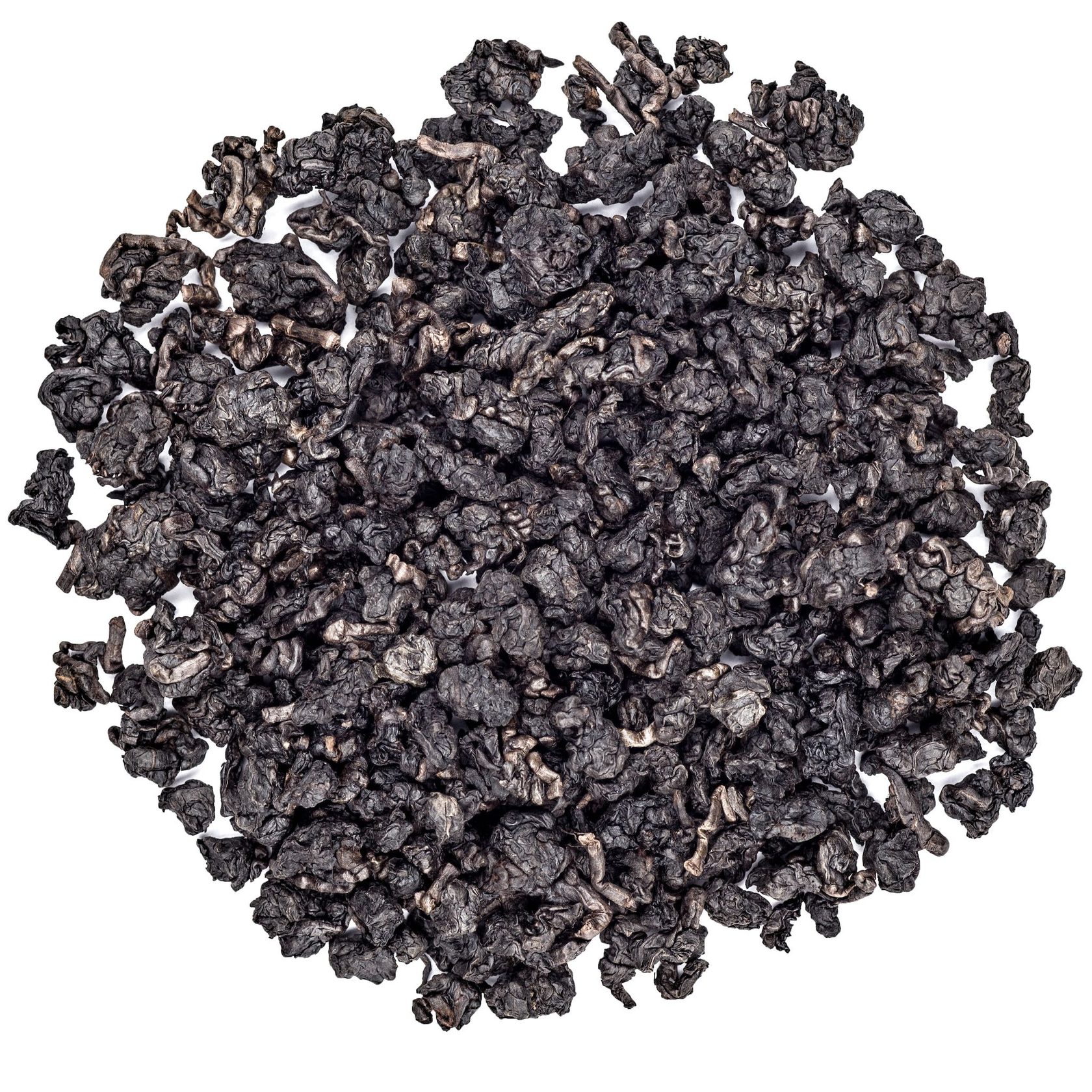
Lao Cha Wang
[lǎo chá wáng]
Learn more →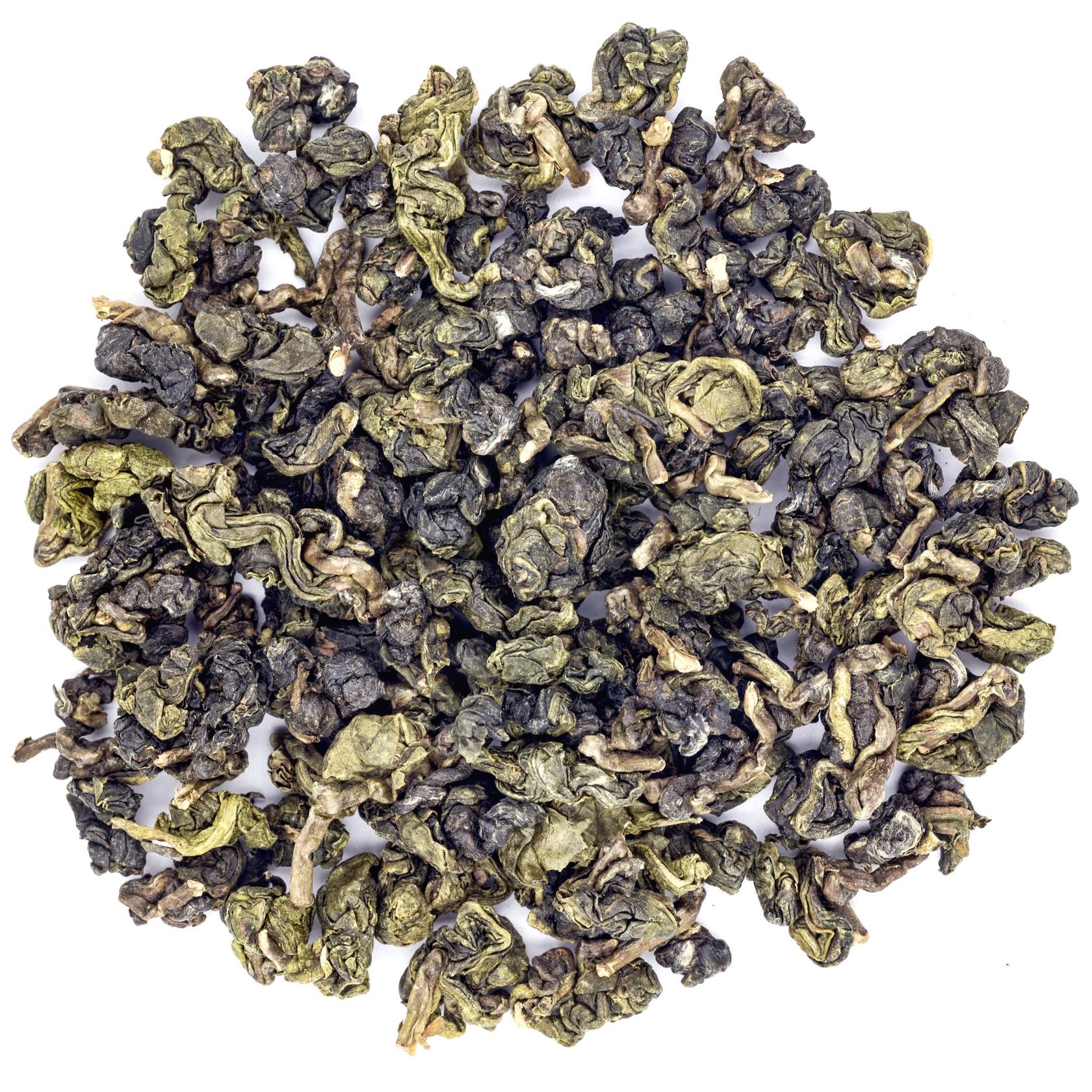
Li Shan Wulong
[líshān wūlóng]
Learn more →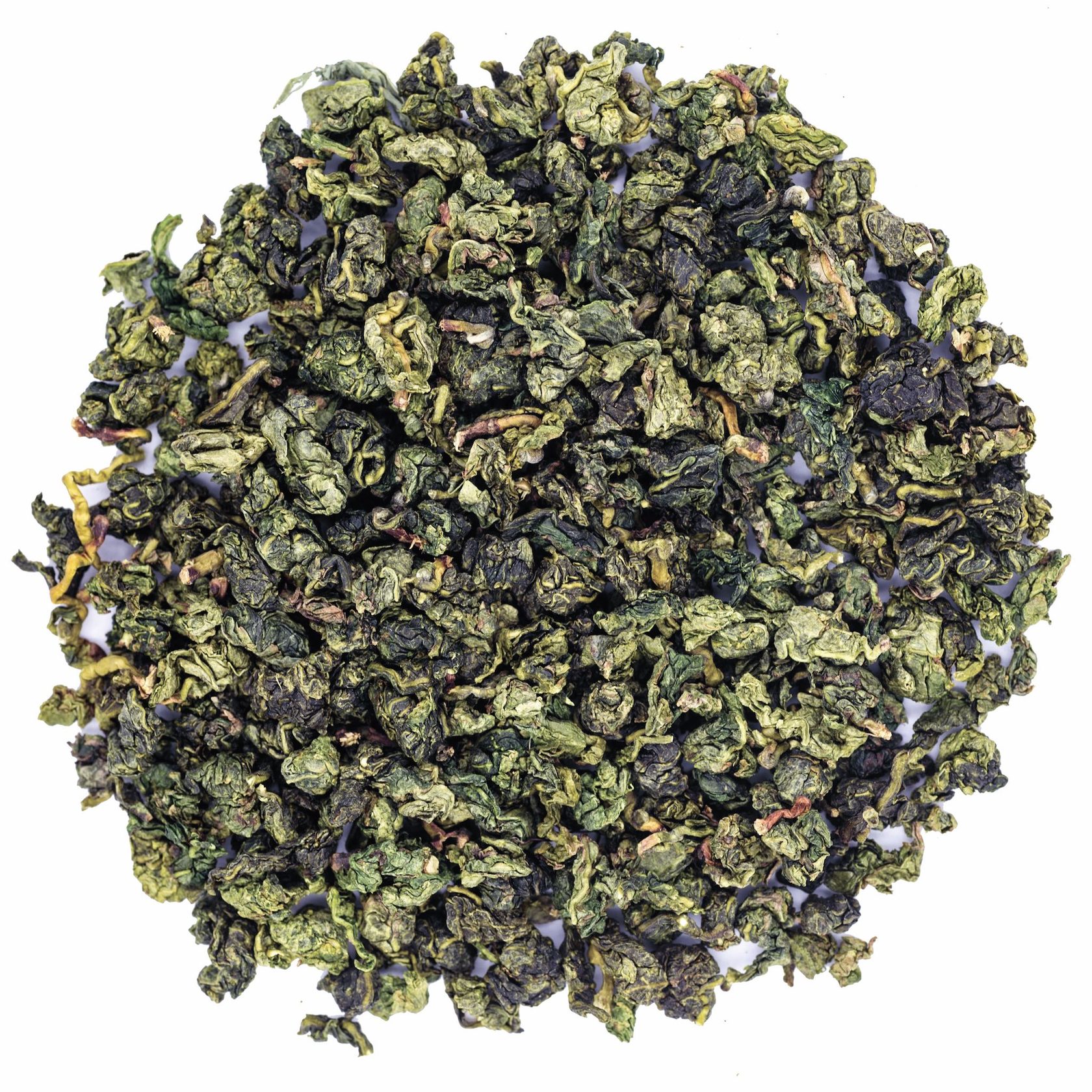
Maoxie
[máoxiè chá]
Learn more →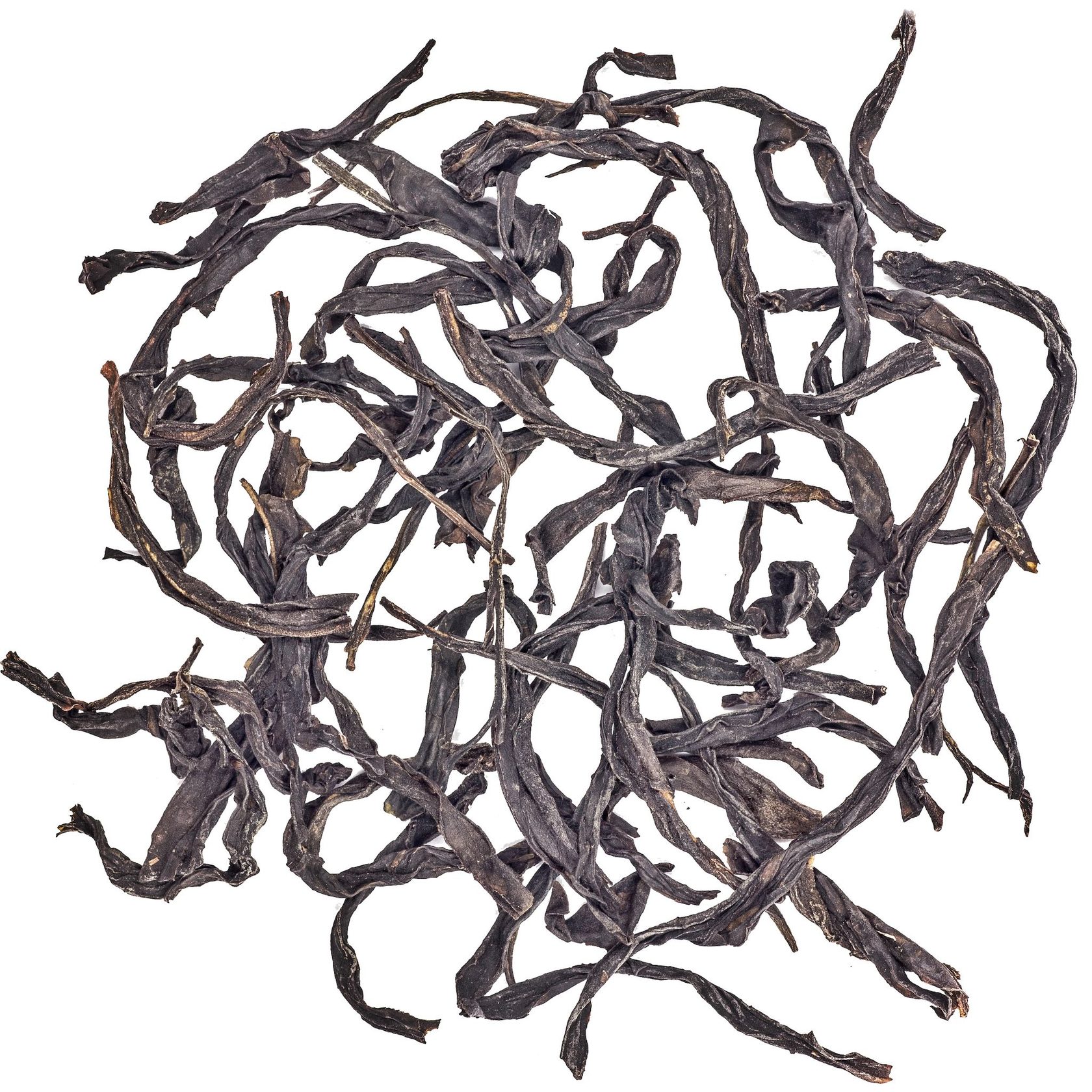
Milan Xiang Dancong
[mìlánxiāng dāncōng]
Learn more →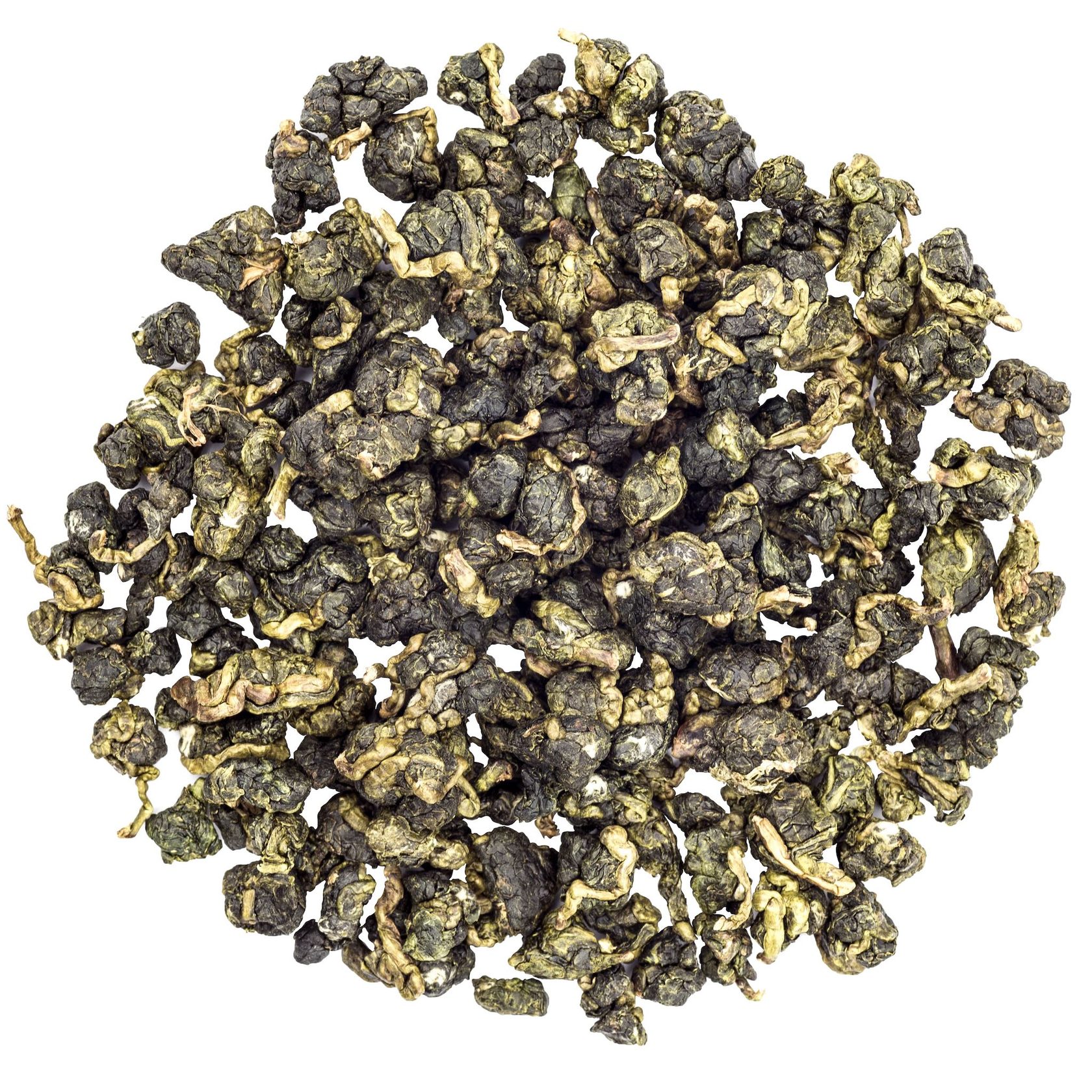
Nai Xiang Wulong
[nǎixiāng wūlóng]
Learn more →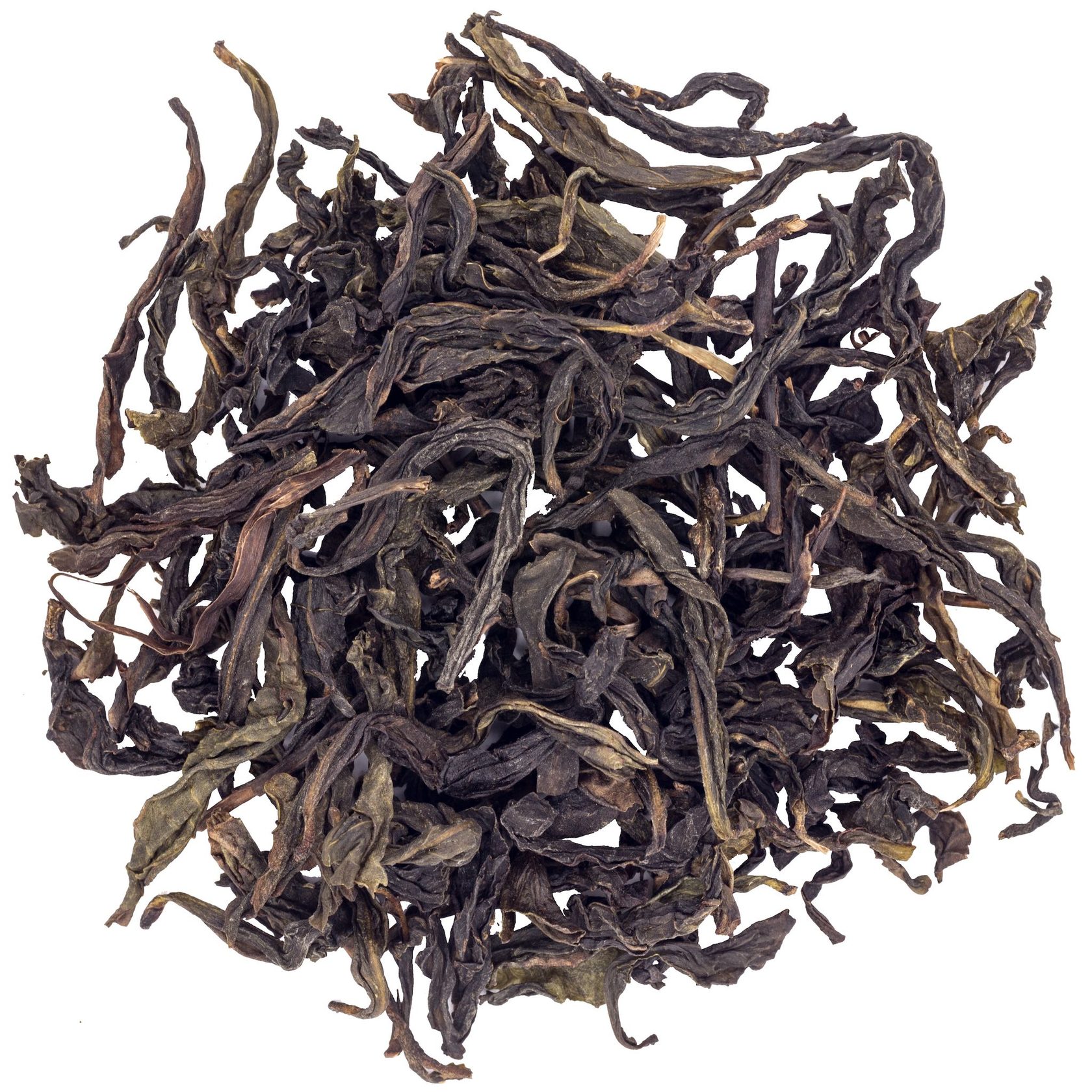
Qi Lan
[qí lán]
Learn more →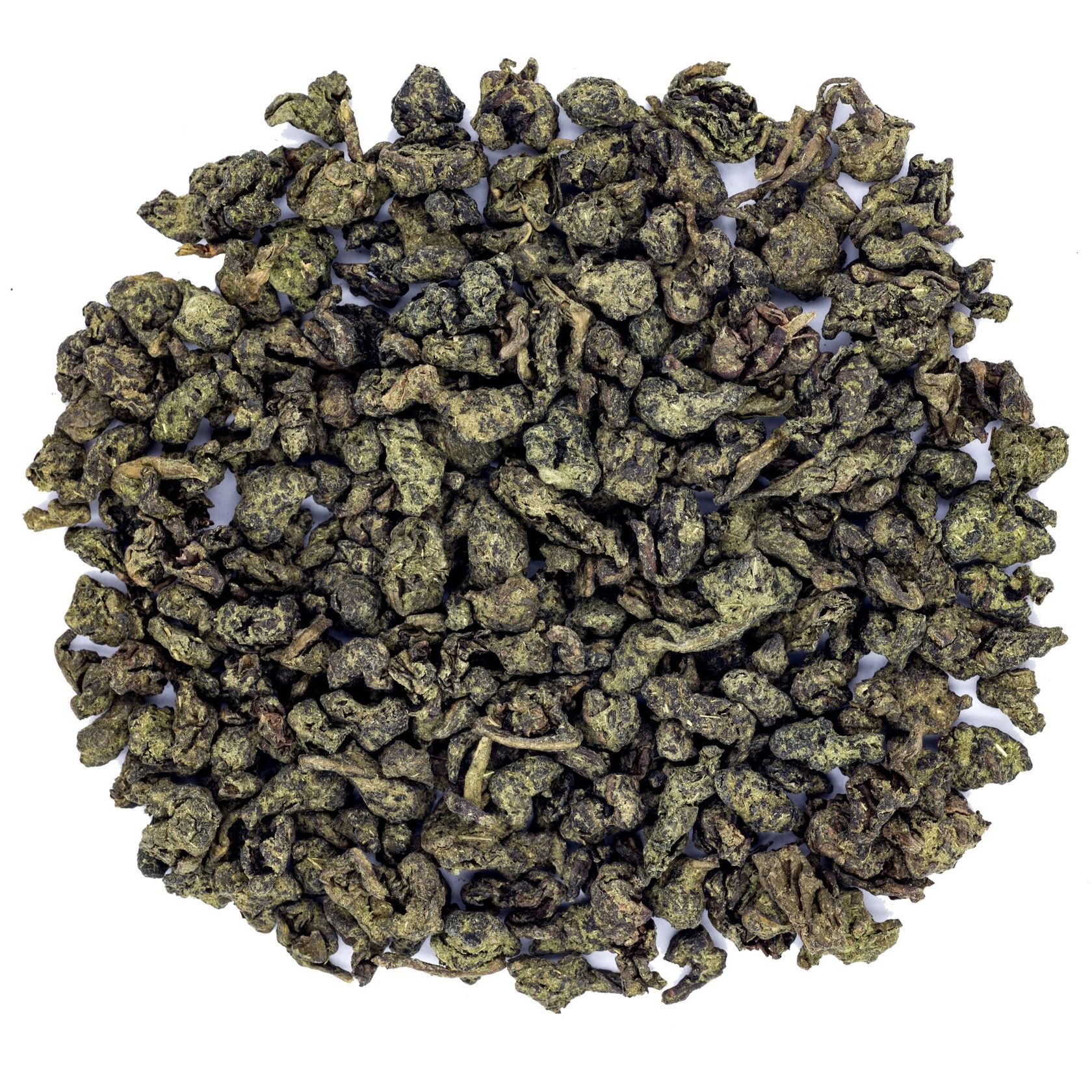
Renshen Wulong
[rénshēn wūlóng]
Learn more →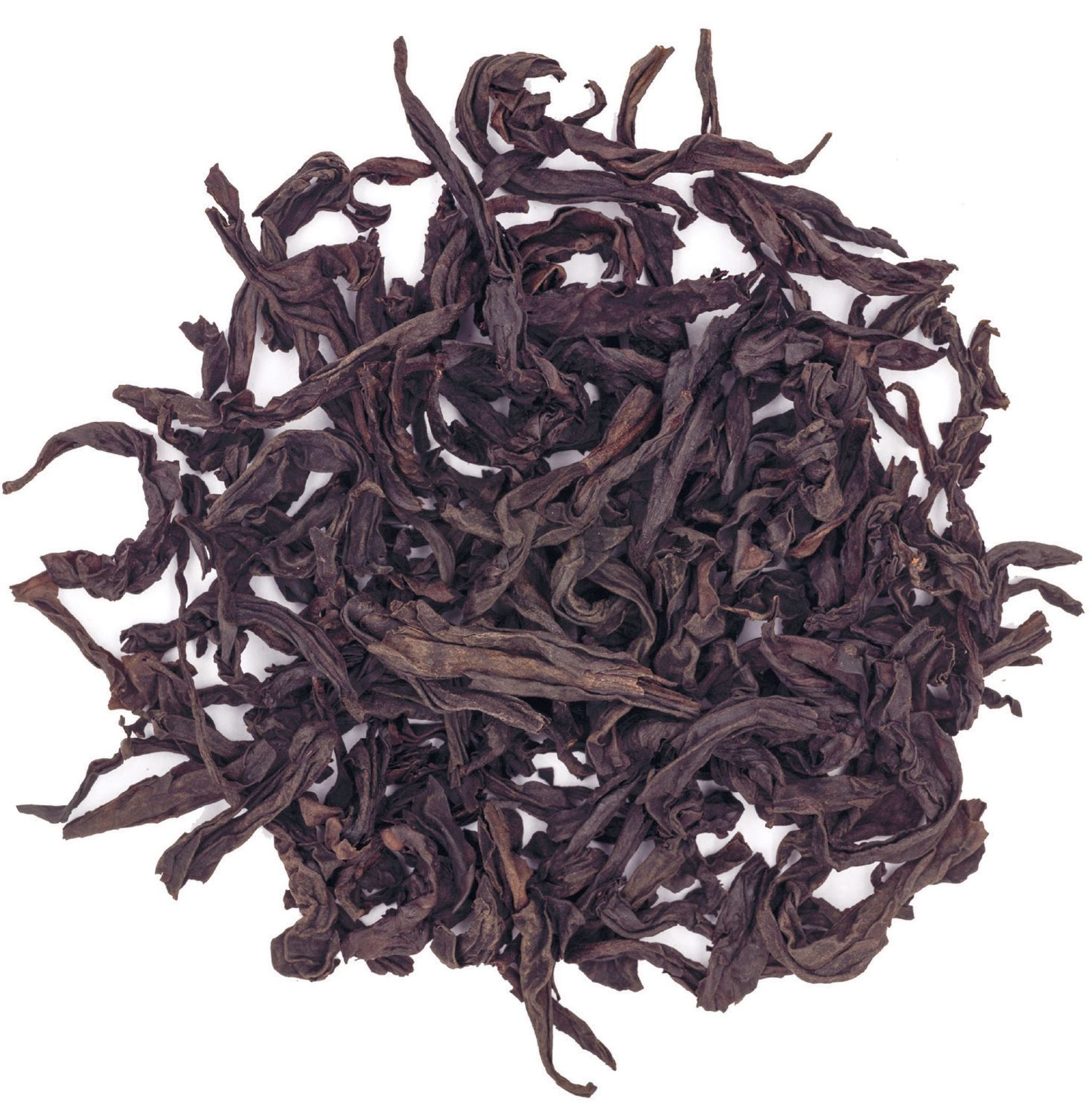
Rou Gui
[ròuguì]
Learn more →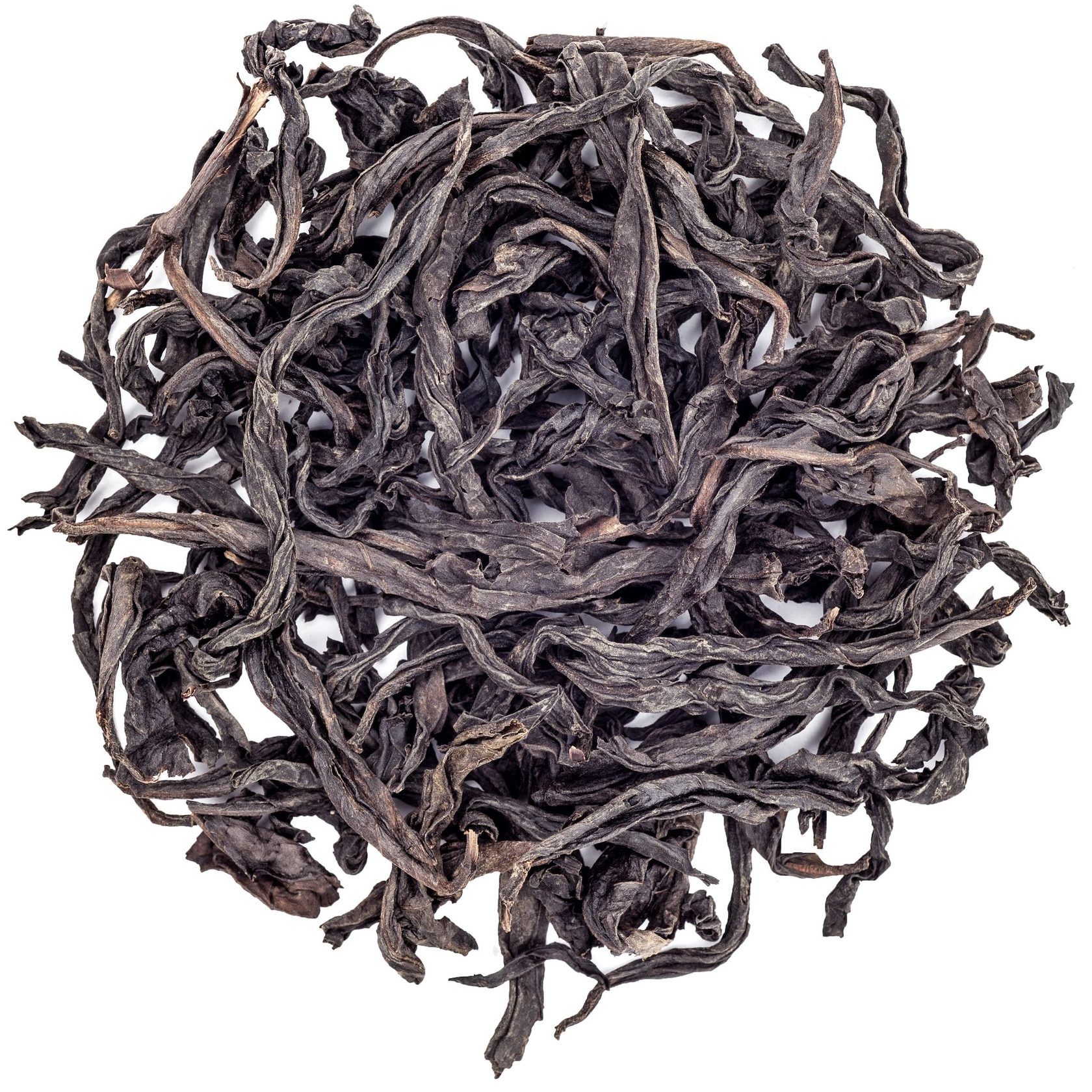
Shui Jin Gui
[shuǐjīnguī]
Learn more →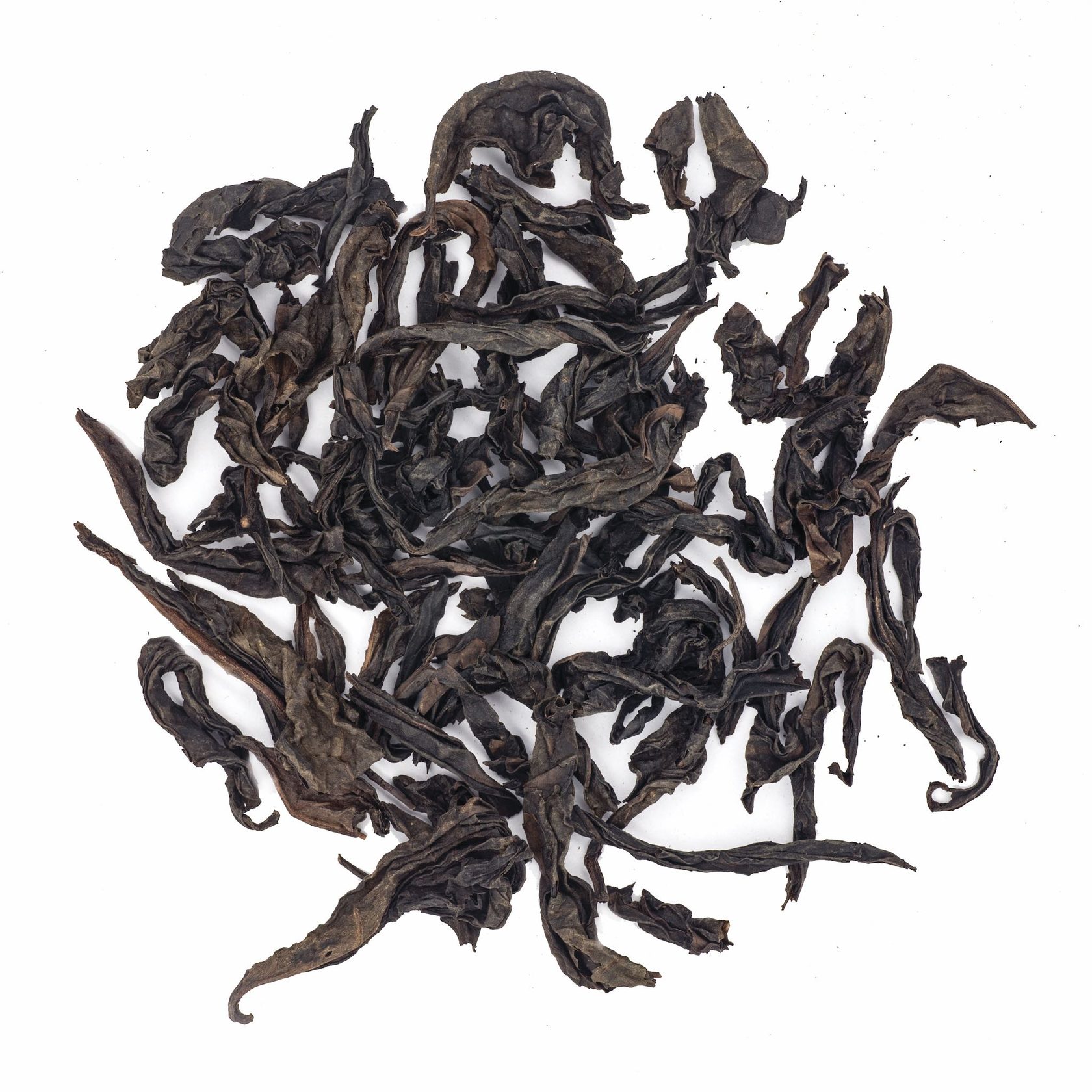
Shui Xian
[shuǐxiān]
Learn more →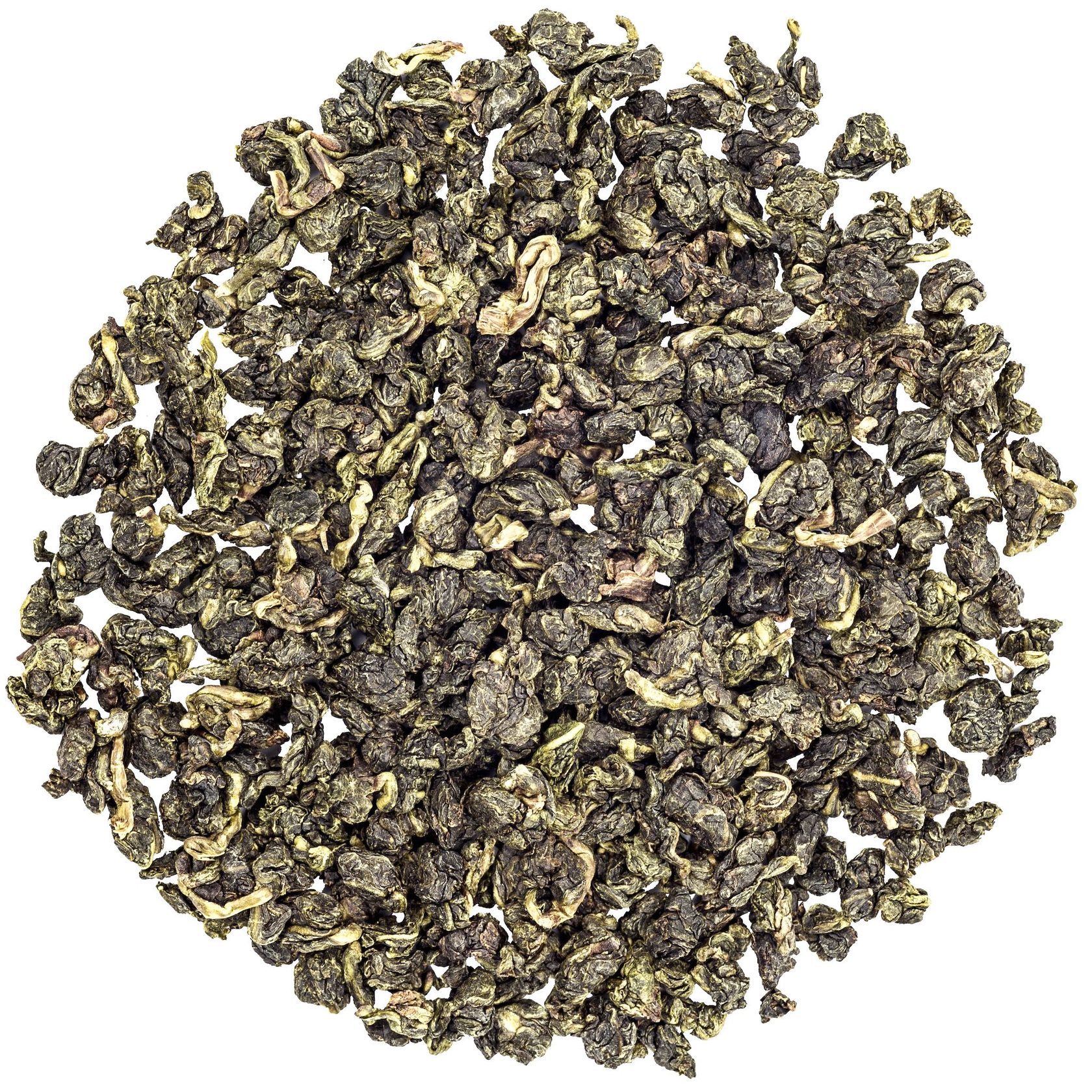
Si Ji Chun
[sìjìchūn]
Learn more →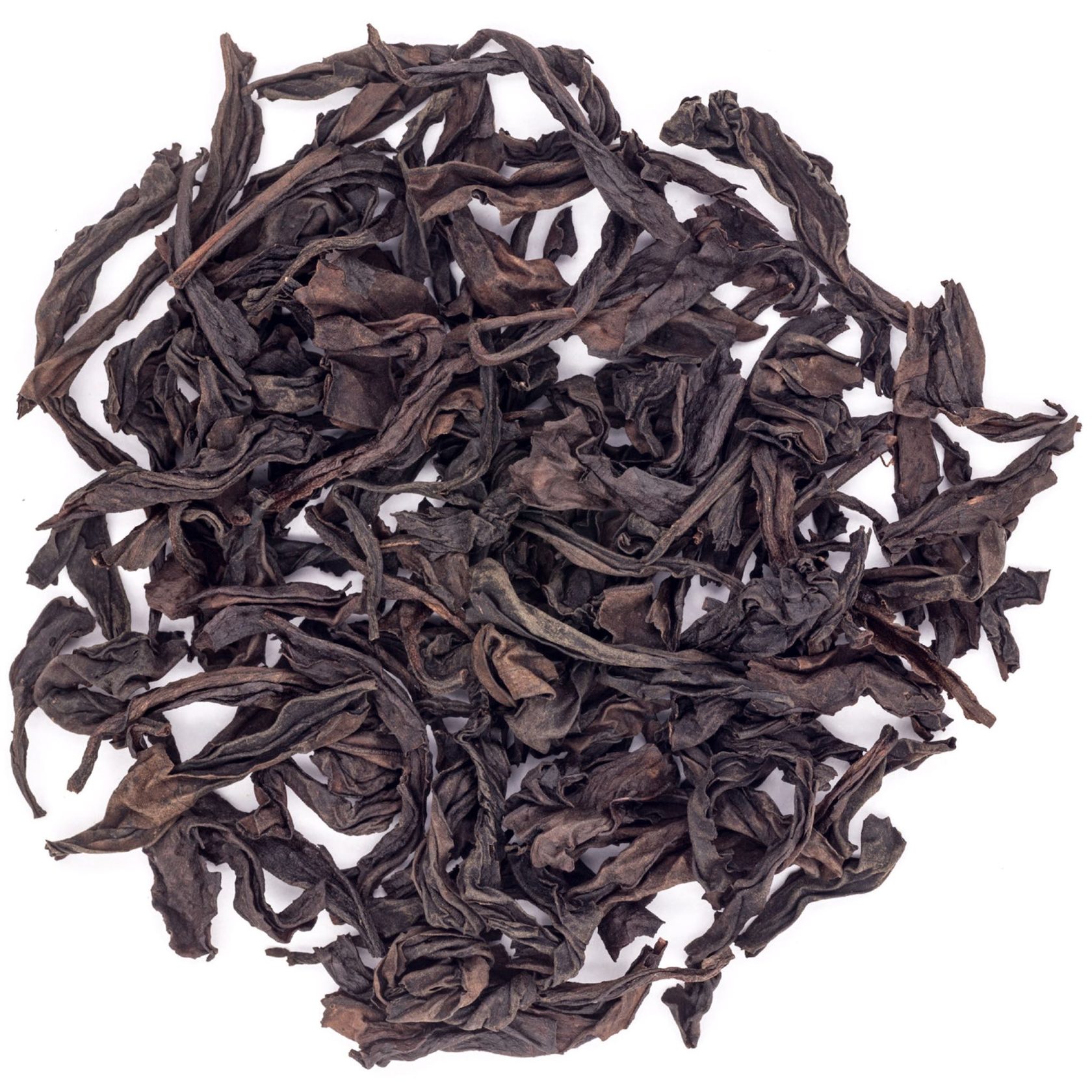
Tie Luo Han
[tiě luóhàn]
Learn more →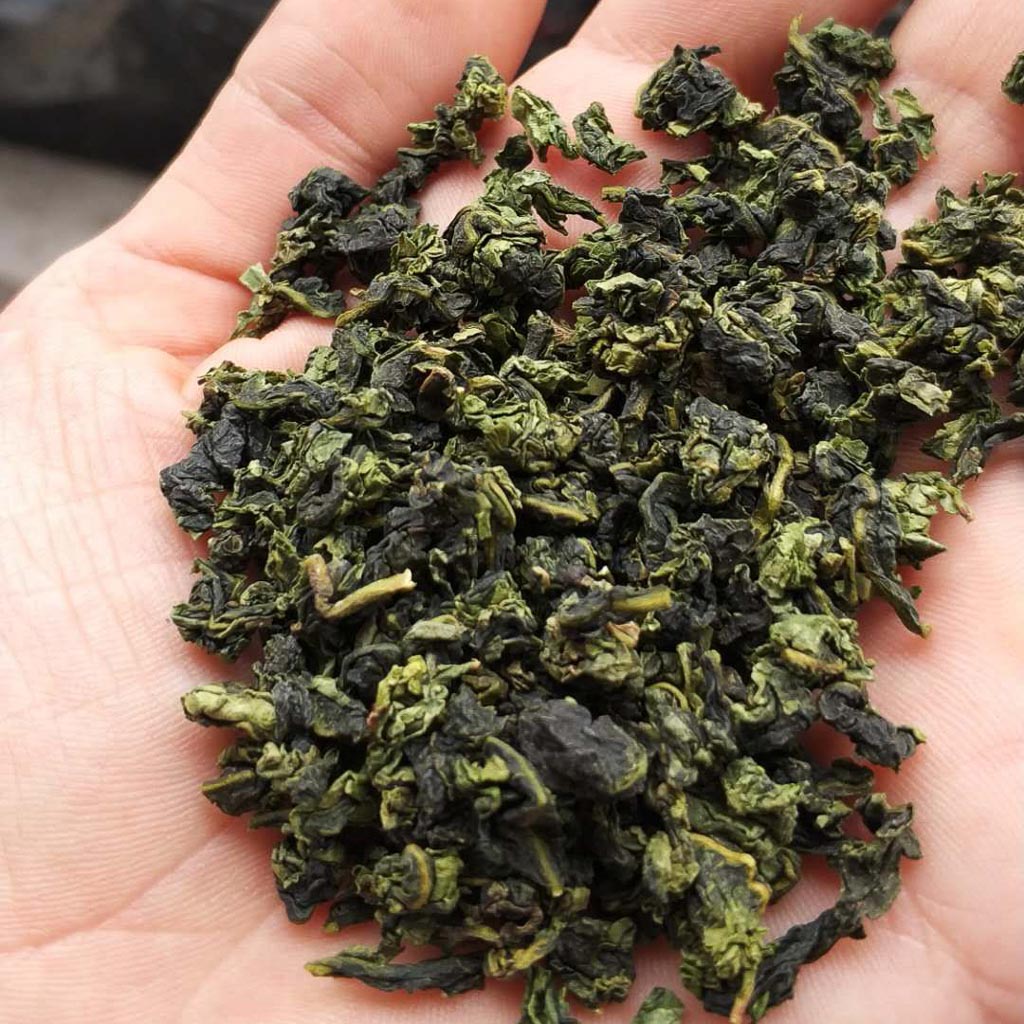
Tieguanyin
[tiěguānyīn]
Learn more →