home / teas / Oolong tea
Oolong · Fujian
Qi Lan
奇兰
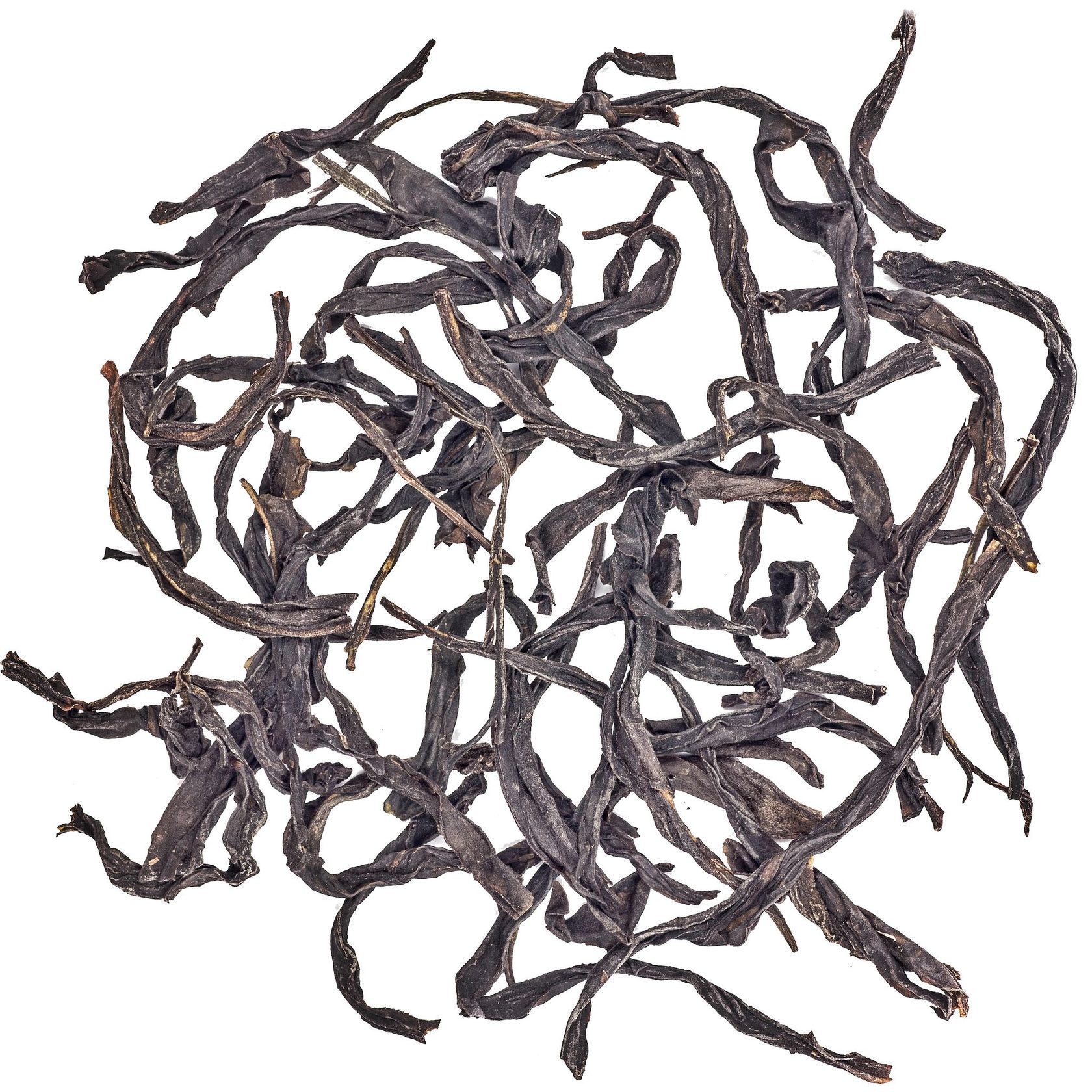
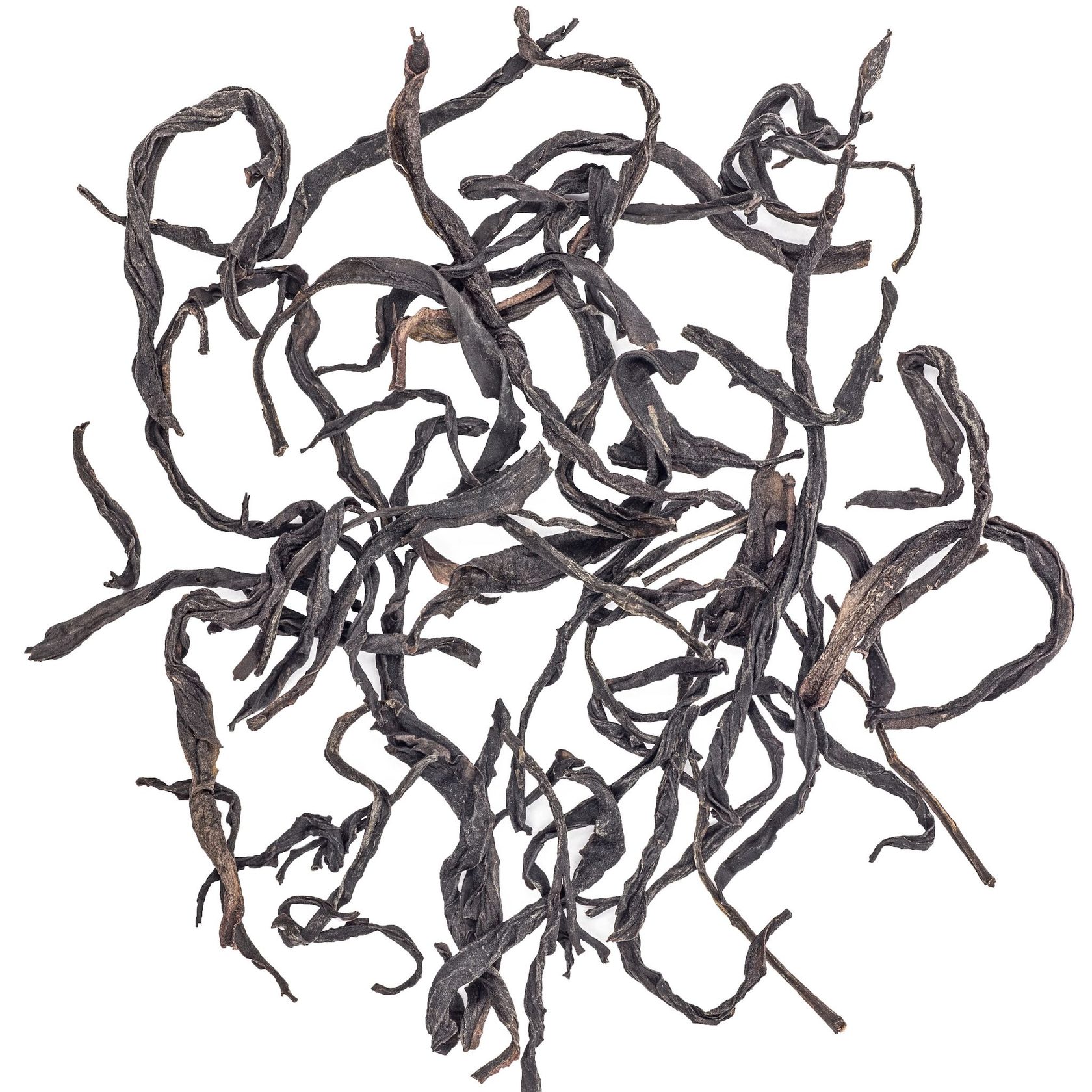
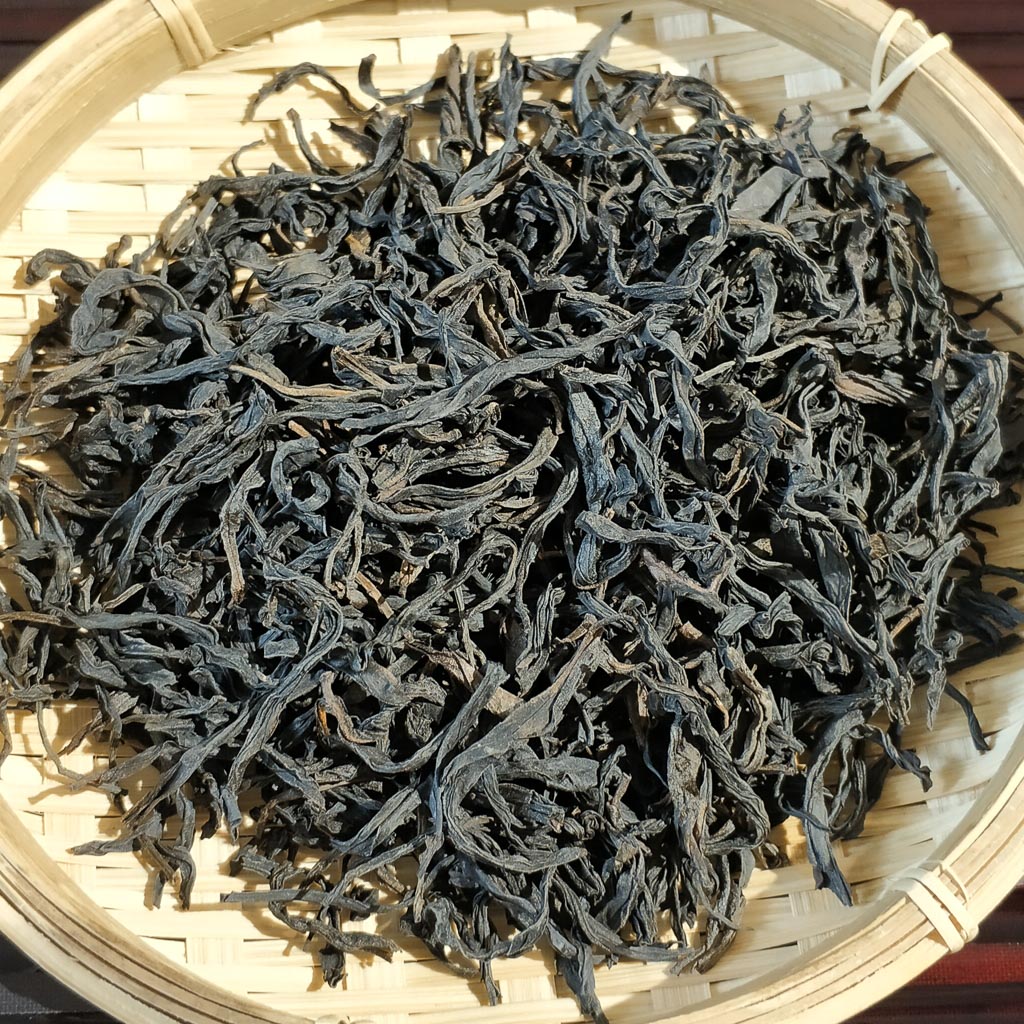
“Rare orchid” — a Fujian oolong of two faces. South-Fujian Bai Ya Qi Lan is fresh and floral; the Wuyi rock version adds mineral depth and the famous “rock rhyme”. Both carry a pure, unmistakable orchid bouquet.
- Region
- Pinghe (south Fujian) and Wuyi (north Fujian)
- Harvest
- Spring; rolled or made as rock tea
- Oxidation
- Semi-oxidised; Wuyi version roasted
- Cultivar
- Qi Lan (rare orchid) bush
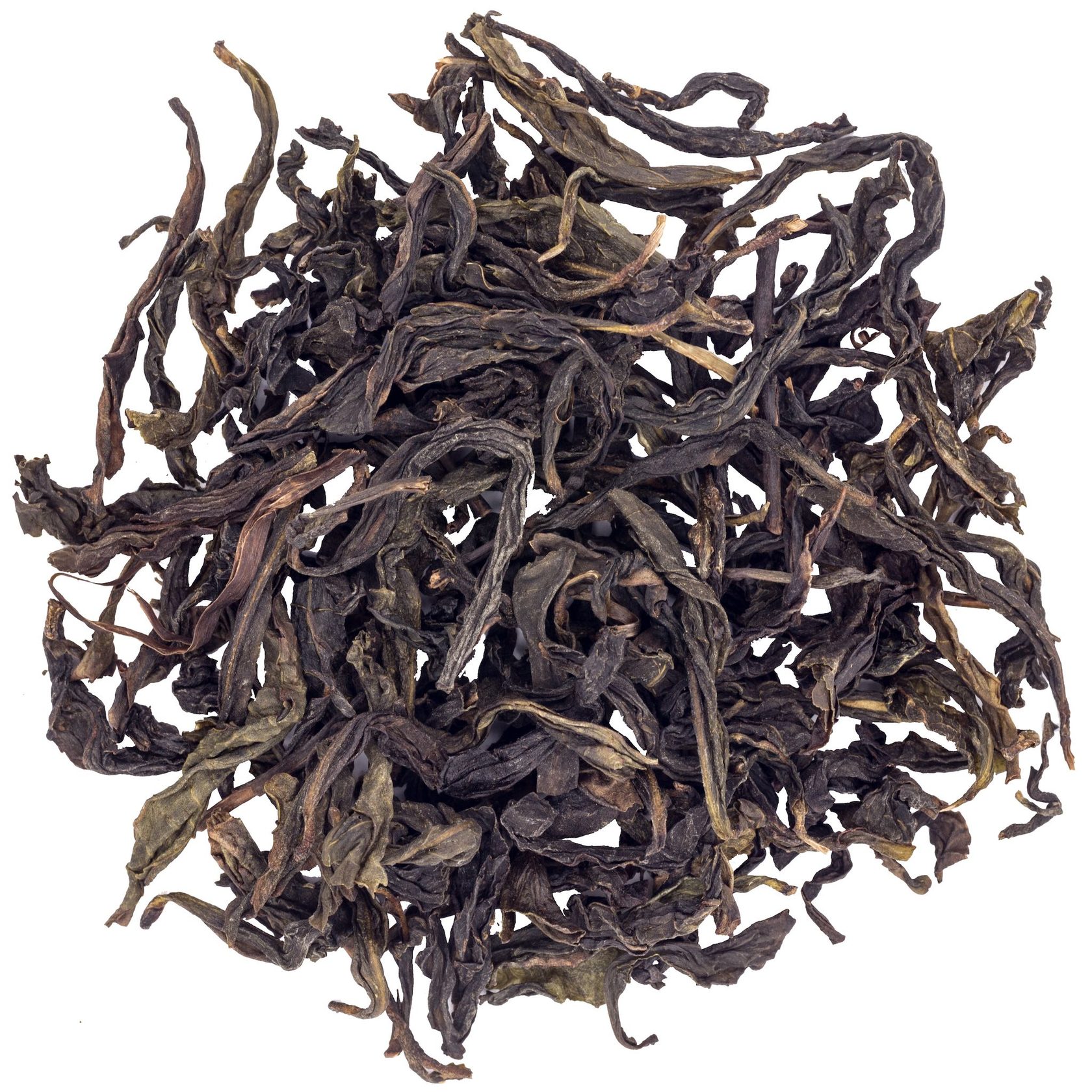
In the cup
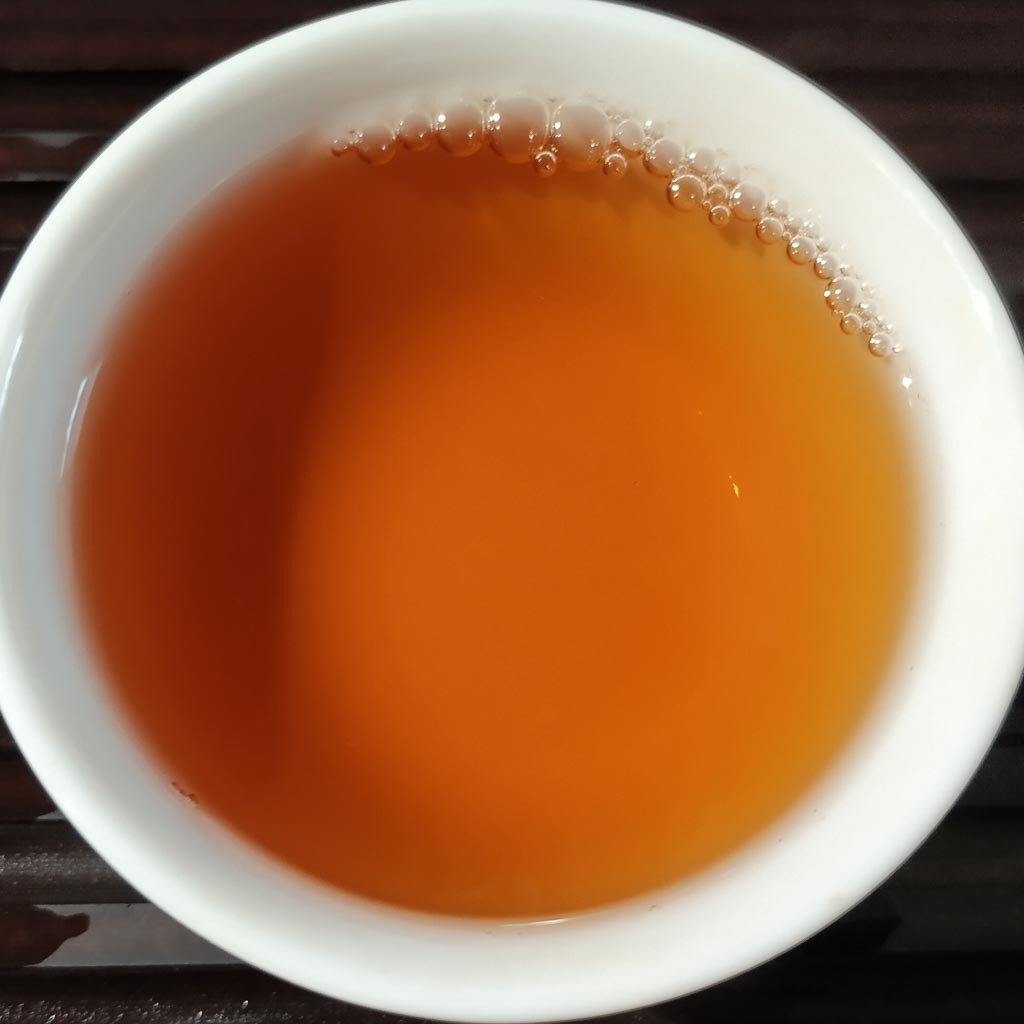
Pure orchid over walnut and chestnut honey — in the Wuyi style, a full, oily body on a mineral base with a long, slowly returning sweetness.
What it gives
A relaxing, aromatic oolong — its high essential-oil content makes it almost a tea aromatherapy, settling and refreshing at once.
Qi Lan — rare orchid — takes its name from the clearest, brightest orchid fragrance of any oolong, and the cultivar carries an unusually high load of aromatic oils: even the fresh leaf smells when crushed on the bush. It is made in two quite different places and styles.
In Pinghe in southern Fujian, as Bai Ya Qi Lan, it is worked light and fresh, all flowers and clean sweetness — one of the “three green treasures” of the county. In the Wuyi mountains in the north it becomes a roasted rock tea, the orchid now set over a mineral base and the yányùn, the rock rhyme. One cultivar, the locals say, played by a rock band and a chamber orchestra.
In the cup
Brew either gongfu, near boiling and short. The Pinghe style wants a gaiwan and quick pours to keep its lift; the Wuyi rock style rewards a clay pot and a touch more time, opening walnut, chestnut honey and that slow mineral return.
How to brew
Qi Lan
Water
92 °C
Leaf
6 g per 100 ml
Steep
Rinse, then 15–30 s, many steeps
Vessel
Gaiwan; clay pot for the roasted Wuyi style
More from this class
Oolong tea
Alishan Oolong
ālǐshān wūlóng
Bai Ji Guan
báijīguān
Ban Tian Yao
bàn tiān yāo
Da Hong Pao
dàhóngpáo
Dan Cong Mi Lan Xiang
dāncōng mì lán xiāng
Dan Cong Song Zhong
dāncóng sòngzhǒng
Dan Cong Xing Ren Xiang
dāncóng xìngrén xiāng
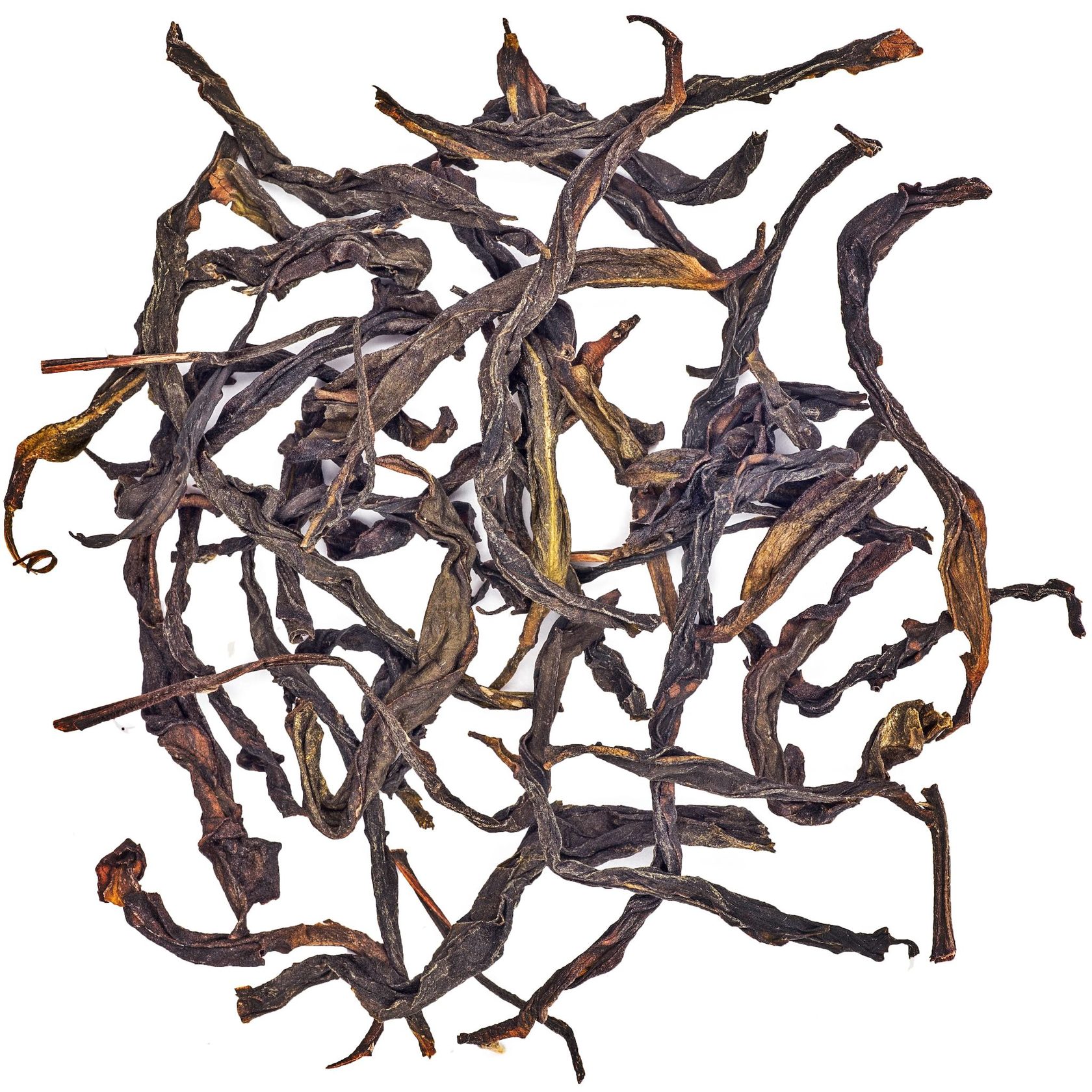
Dan Cong Ya Shi Xiang
dāncóng yāshǐ xiāng
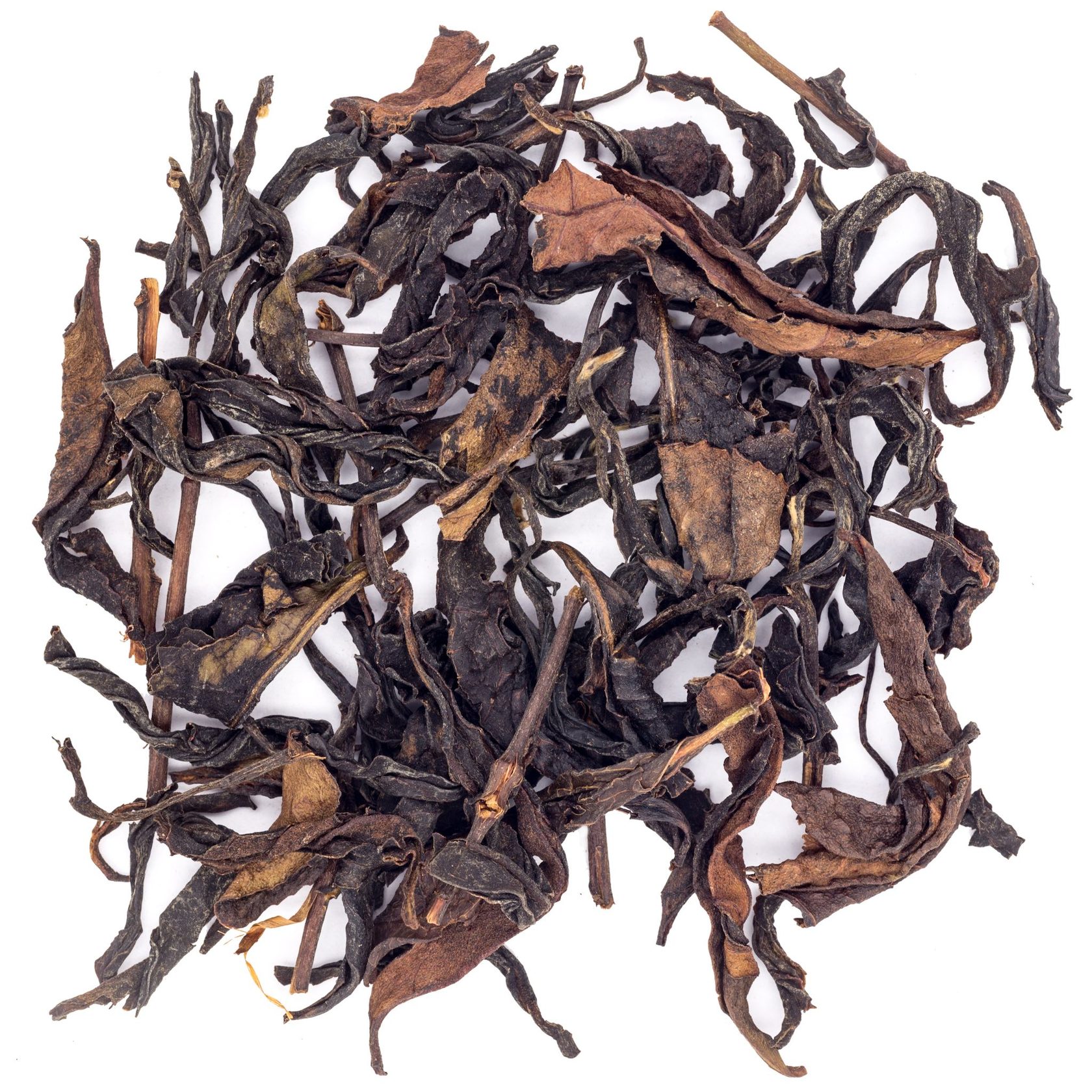
Datian Mei Ren Cha
dàtián měirén chá
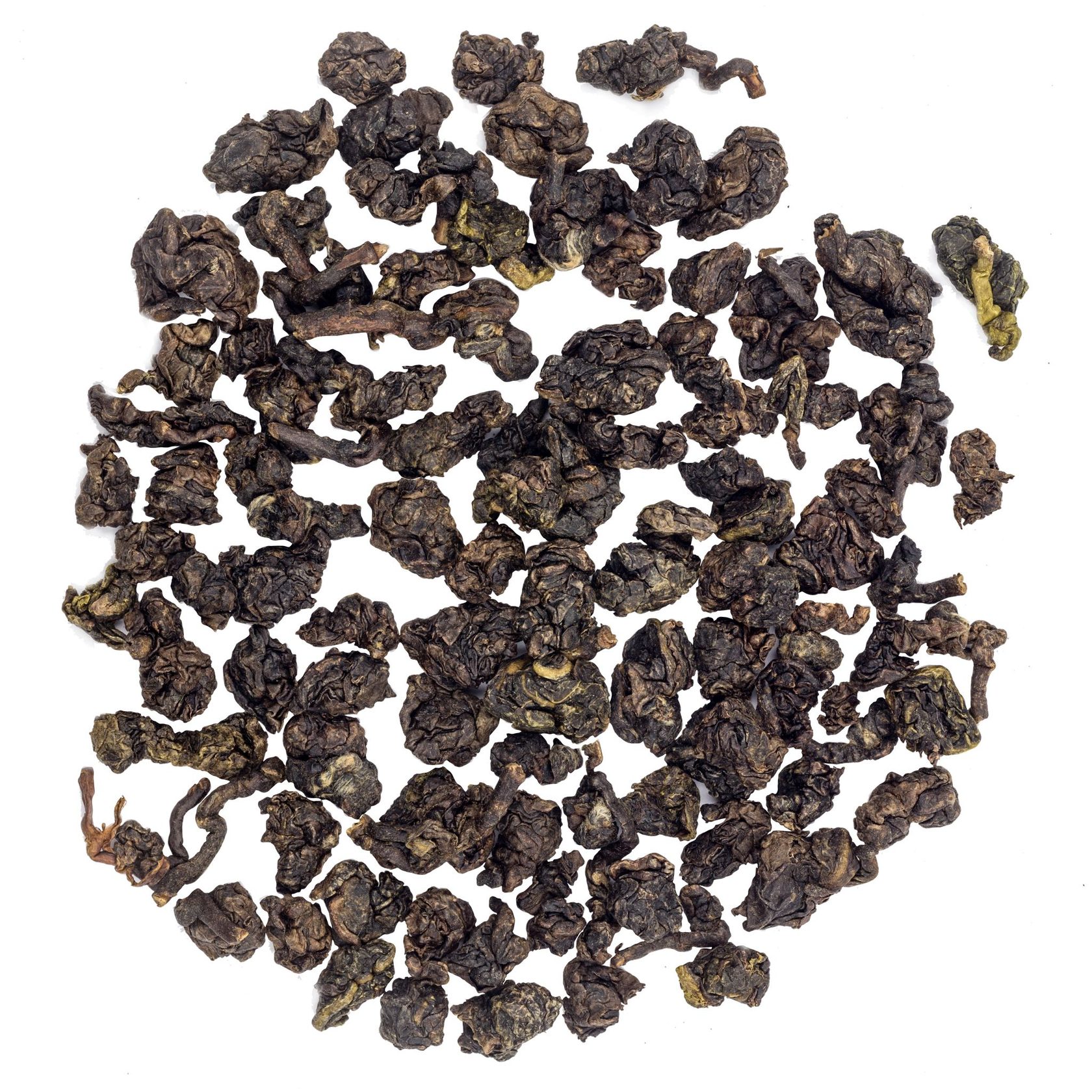
Dong Ding Oolong
dòngdǐng wūlóng
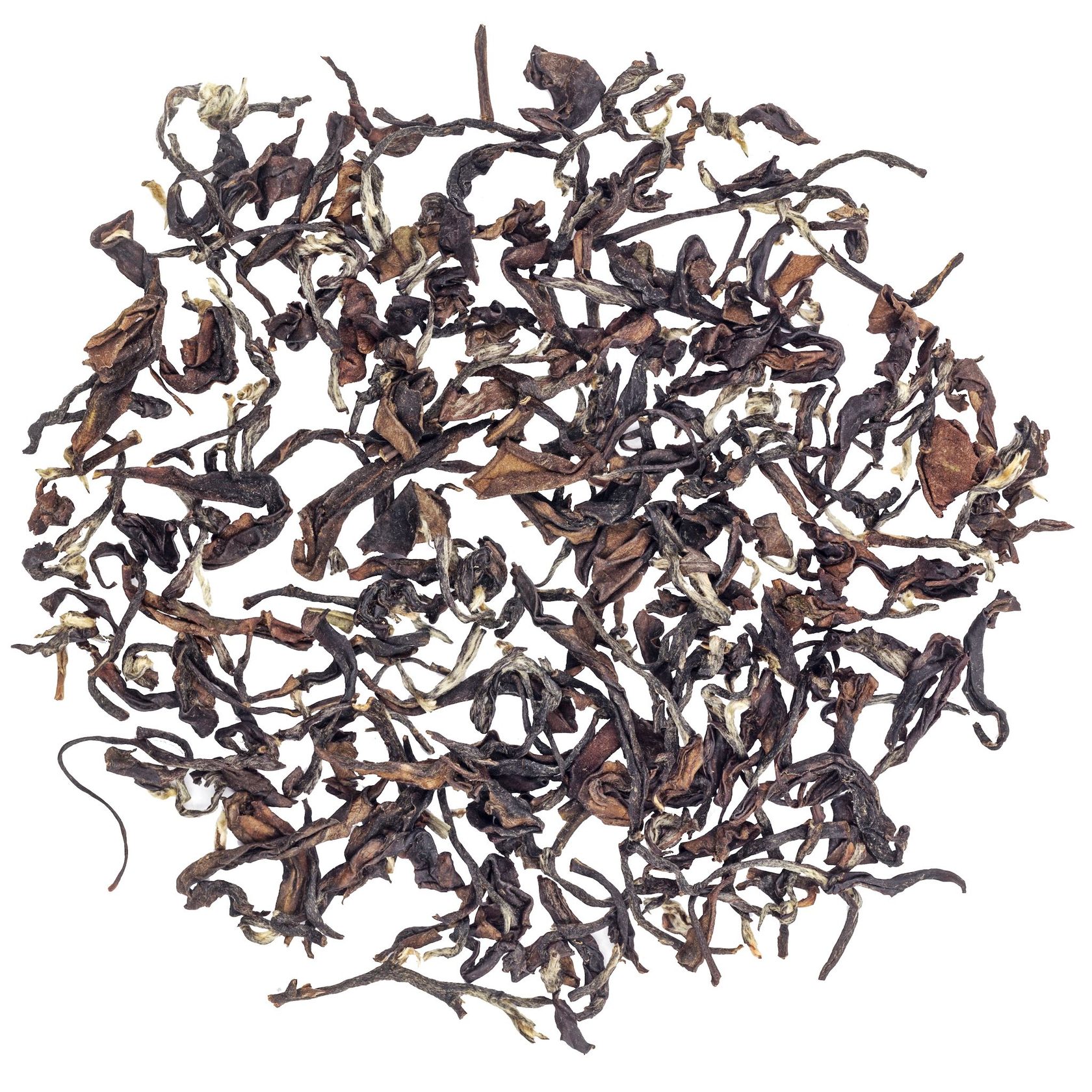
Dong Fang Mei Ren
dōngfāng měirén
Fo Shou
fó shǒu
Gui Hua Xiang Dancong
guìhuā xiāng dāncóng
Huang Jin Gui
huángjīn guì
Lao Cha Wang
lǎo chá wáng
Li Shan Wulong
líshān wūlóng
Maoxie
máoxiè chá
Milan Xiang Dancong
mìlánxiāng dāncōng
Nai Xiang Wulong
nǎixiāng wūlóng
Renshen Wulong
rénshēn wūlóng
Rou Gui
ròuguì
Shui Jin Gui
shuǐjīnguī
Shui Xian
shuǐxiān
Si Ji Chun
sìjìchūn
Tie Luo Han
tiě luóhàn
Tieguanyin
tiěguānyīn