White tea · Yunnan
Bai Jian
白尖
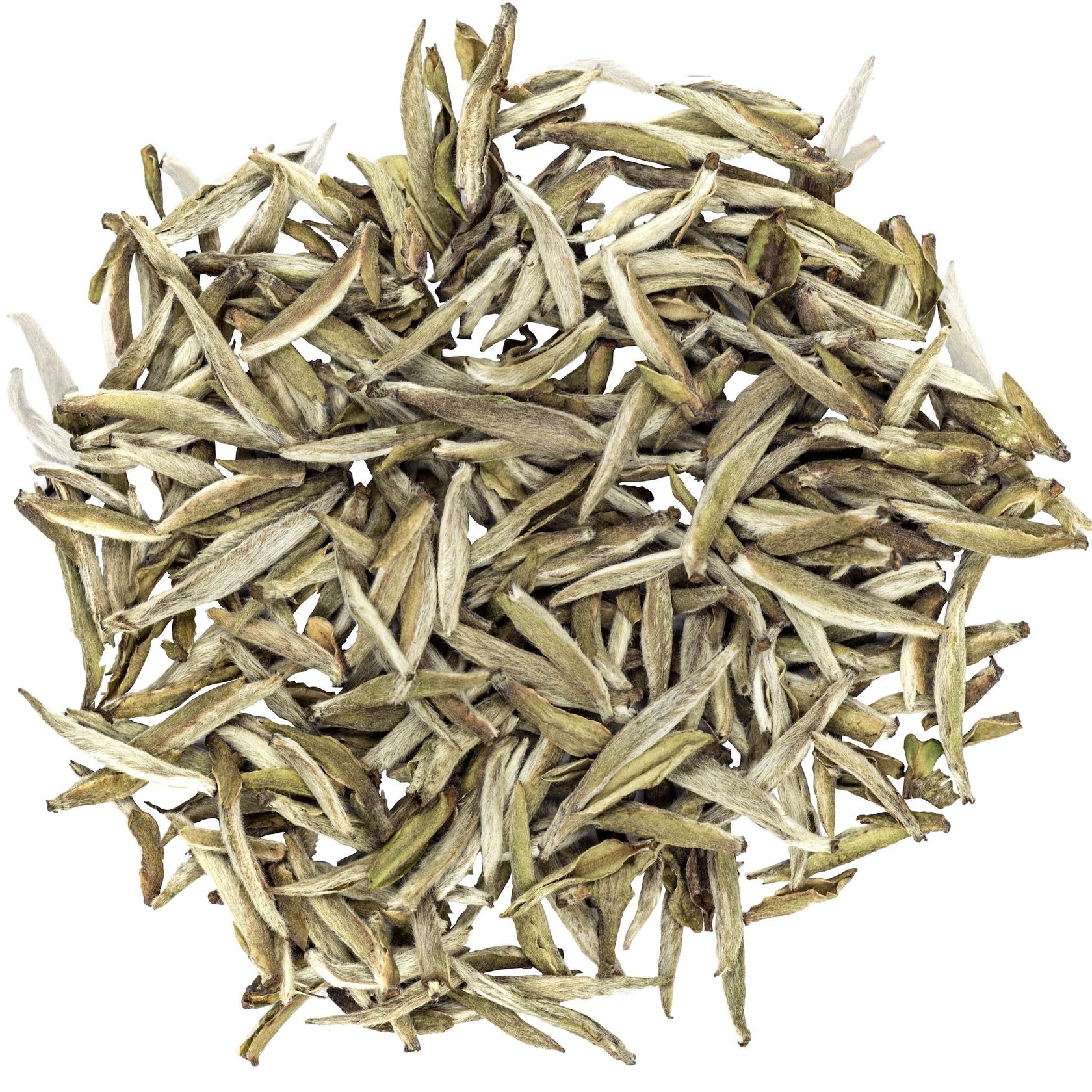
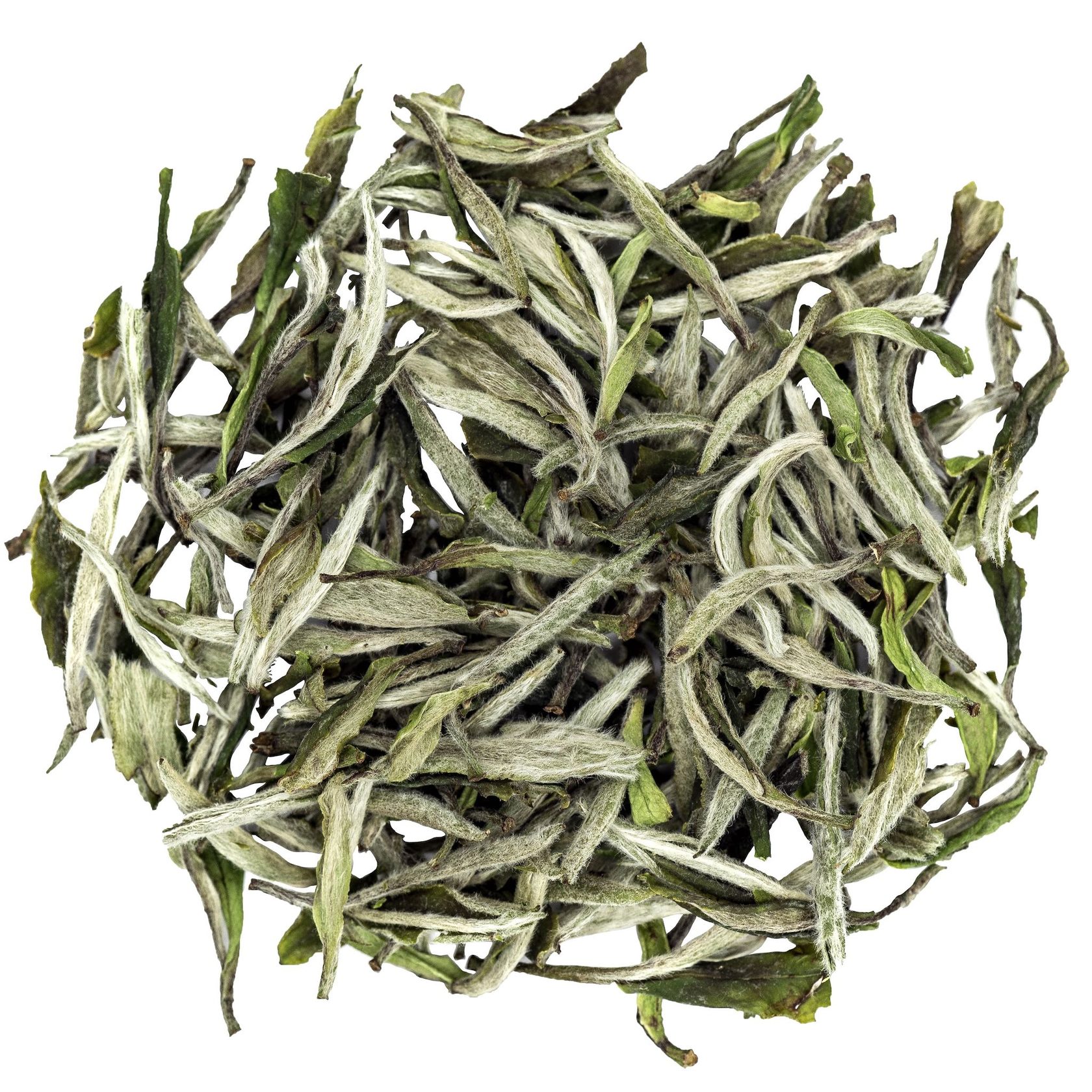
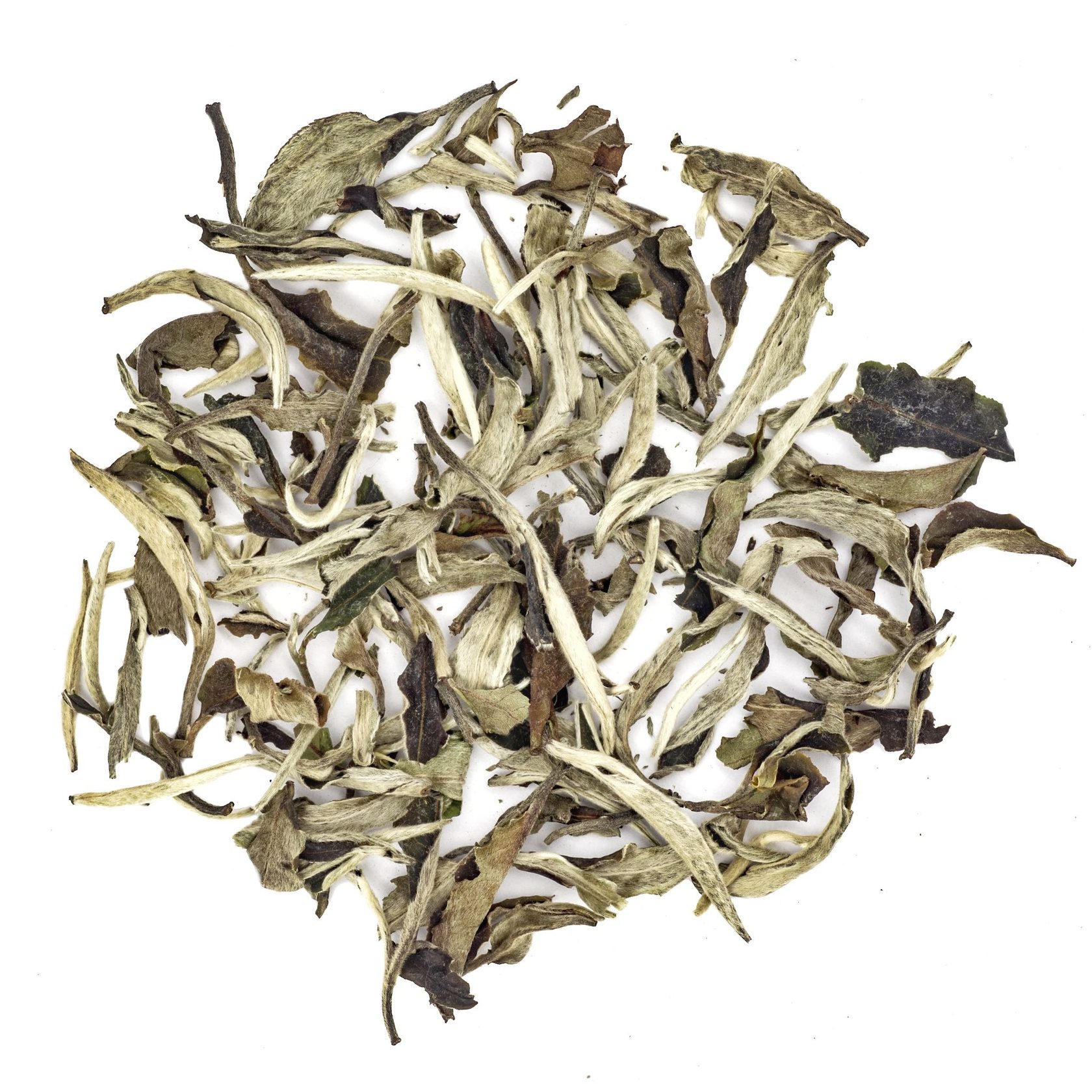
A Yunnan white of big, downy buds from the Jinggu Da Bai bush. Withered and dried with no fixing, it keeps a deep honey-floral sweetness and a fuller body than the Fujian silver needles — and it ages beautifully.
- Region
- Jinggu, Pu’er, Yunnan
- Harvest
- Spring buds; gently withered and dried
- Oxidation
- Barely oxidised (withered and dried)
- Cultivar
- Jinggu Da Bai (big white) bush
In the cup
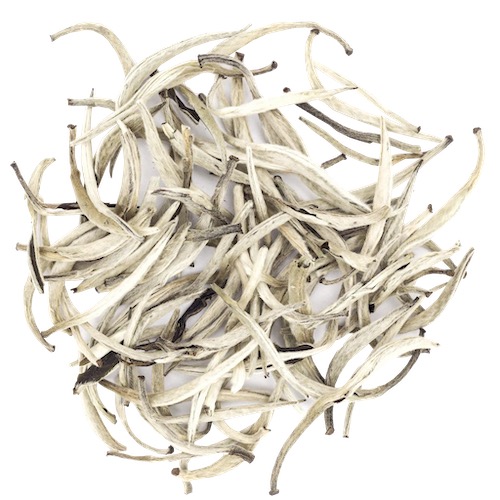
Honey, melon and apricot over a dense, full body — a soft fruity sweetness with no bitterness, fuller and more “bodied” than a Fujian silver needle.
What it gives
A gentle white — cooling in the Chinese sense, low in caffeine, and prized for its liver-friendly, antioxidant character.
Bai Jian — white tip — is a white tea from Jinggu in the Pu’er country of Yunnan, made from the big buds of the local Jinggu Da Bai bush, a cultivar so versatile that the same garden can yield six different types of tea. As a white it is made in the least-handled way of all the classes: gently withered, then dried, with no fixing and no rolling, so the bud’s natural sweetness survives whole.
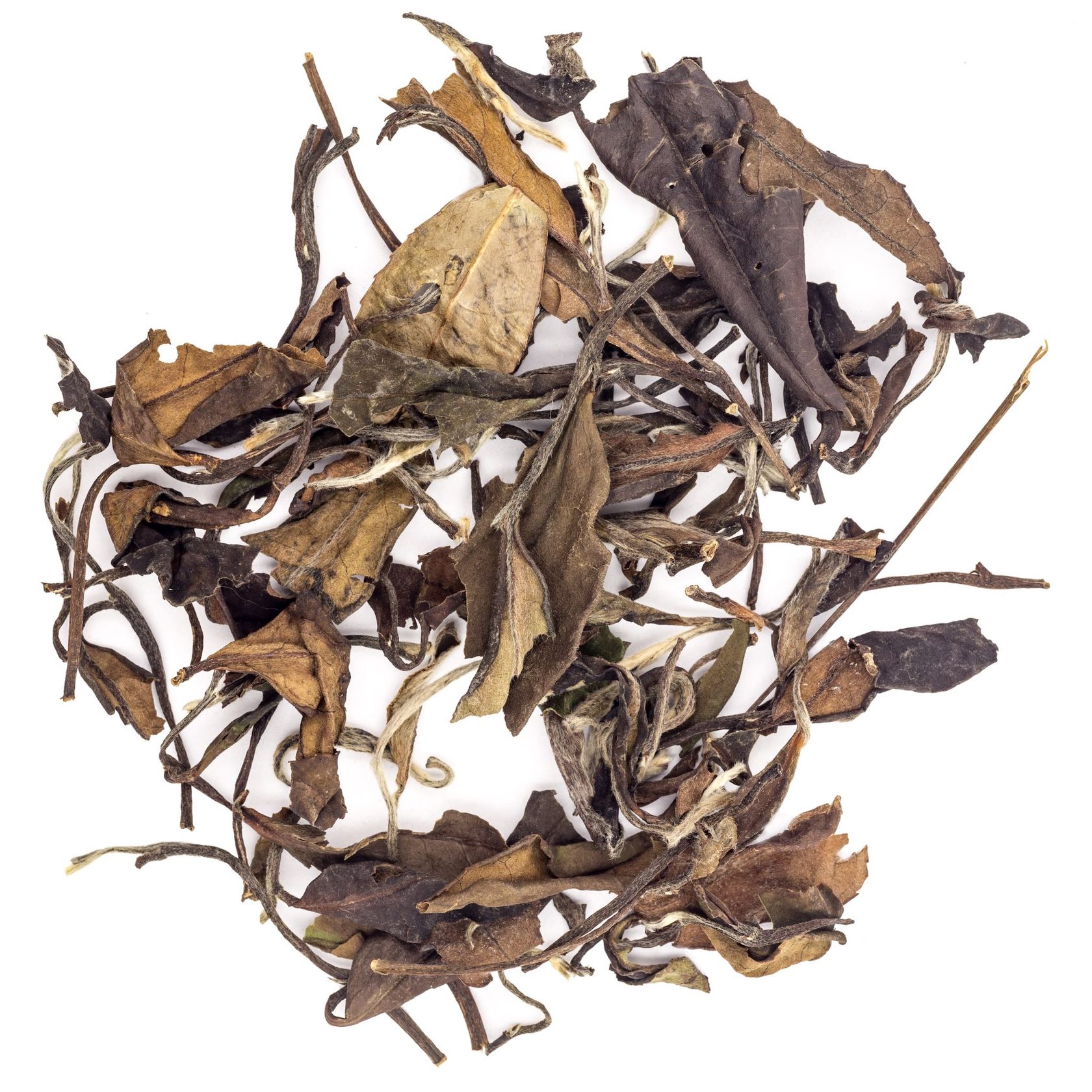
What sets it apart from the Fujian silver needles it resembles is the leaf. Yunnan’s big-leaf material gives a denser, fuller, more “bodied” cup — honey and melon and apricot, with a light fruity edge and no bitterness at all — rounder and more powerful than the Fuding original. And, like all good white, it deepens with keeping: pressed and stored dry, the honey turns toward dried fruit and a quiet warmth over the years.
In the cup
Brew it slowly and a little cooler than a green, around 85 °C, giving the dense buds time to open — or run many short steeps gongfu. The liquor is light gold, clearer and a touch deeper than a Fujian needle. Drink it young for its honey, or lay it down to age.
How to brew
Bai Jian
Water
85 °C
Leaf
5 g per 100 ml
Steep
3–5 min, long and slow; or many short steeps
Vessel
Glass or porcelain gaiwan