Dark tea · Hunan
Anhua Tian Jian
安化天尖
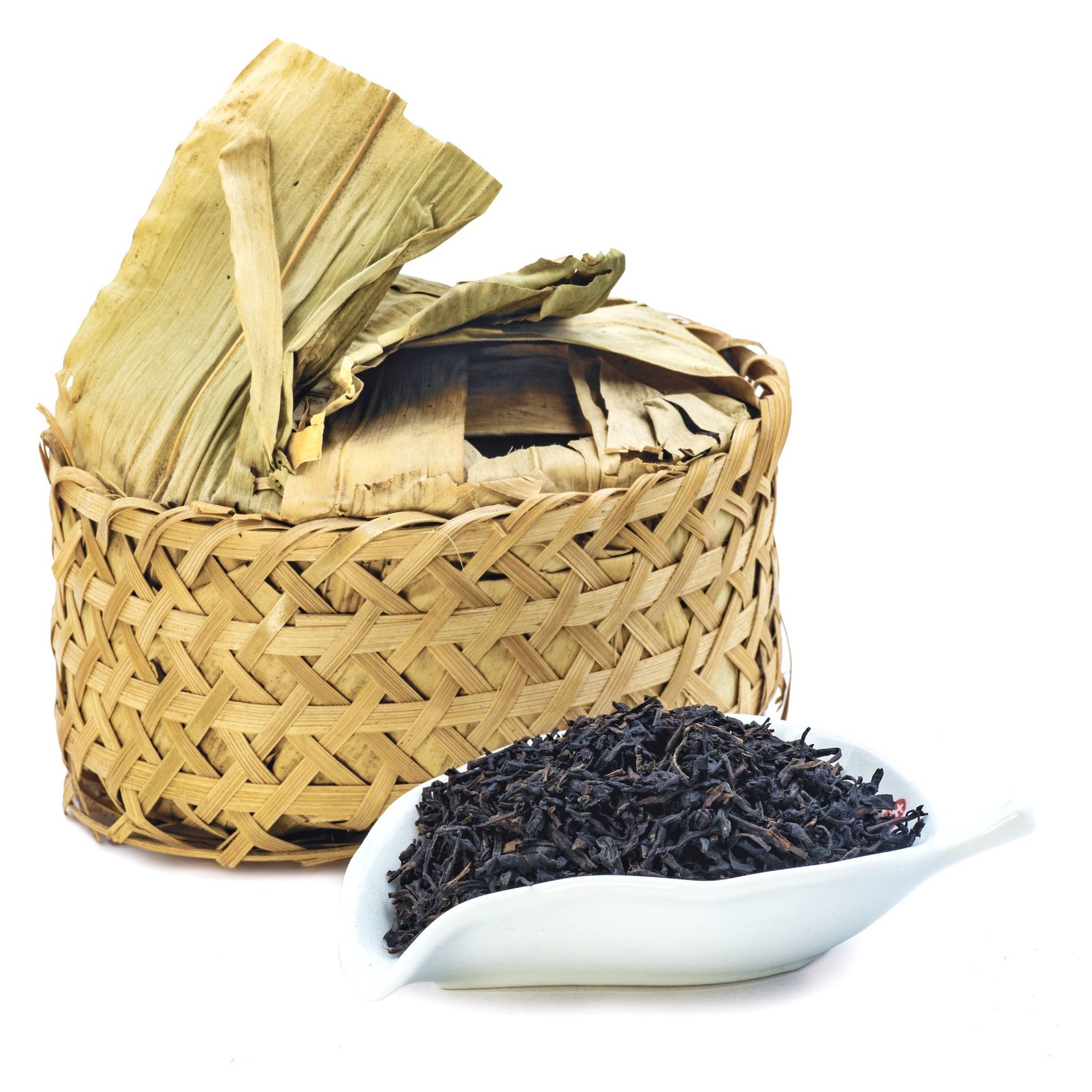
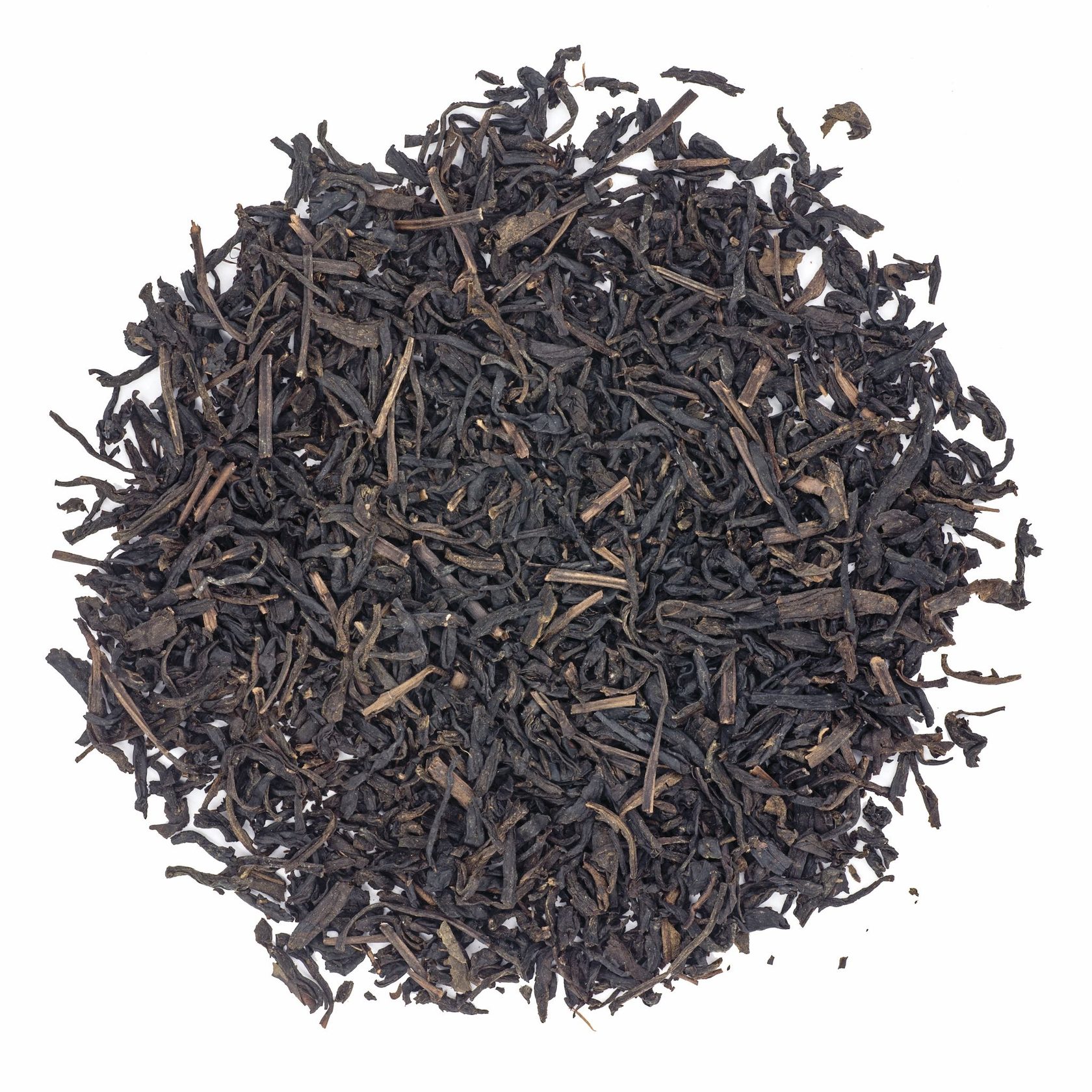
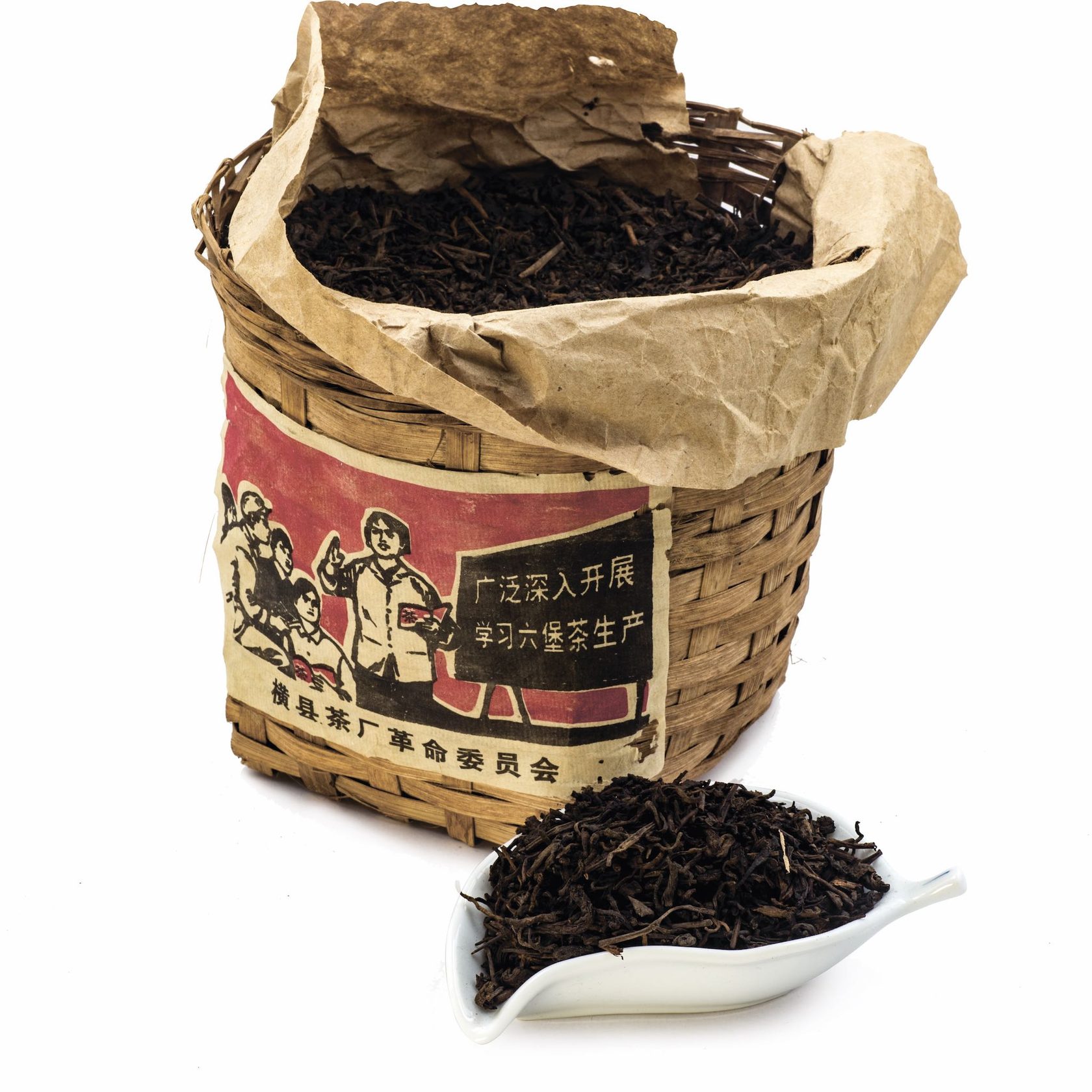
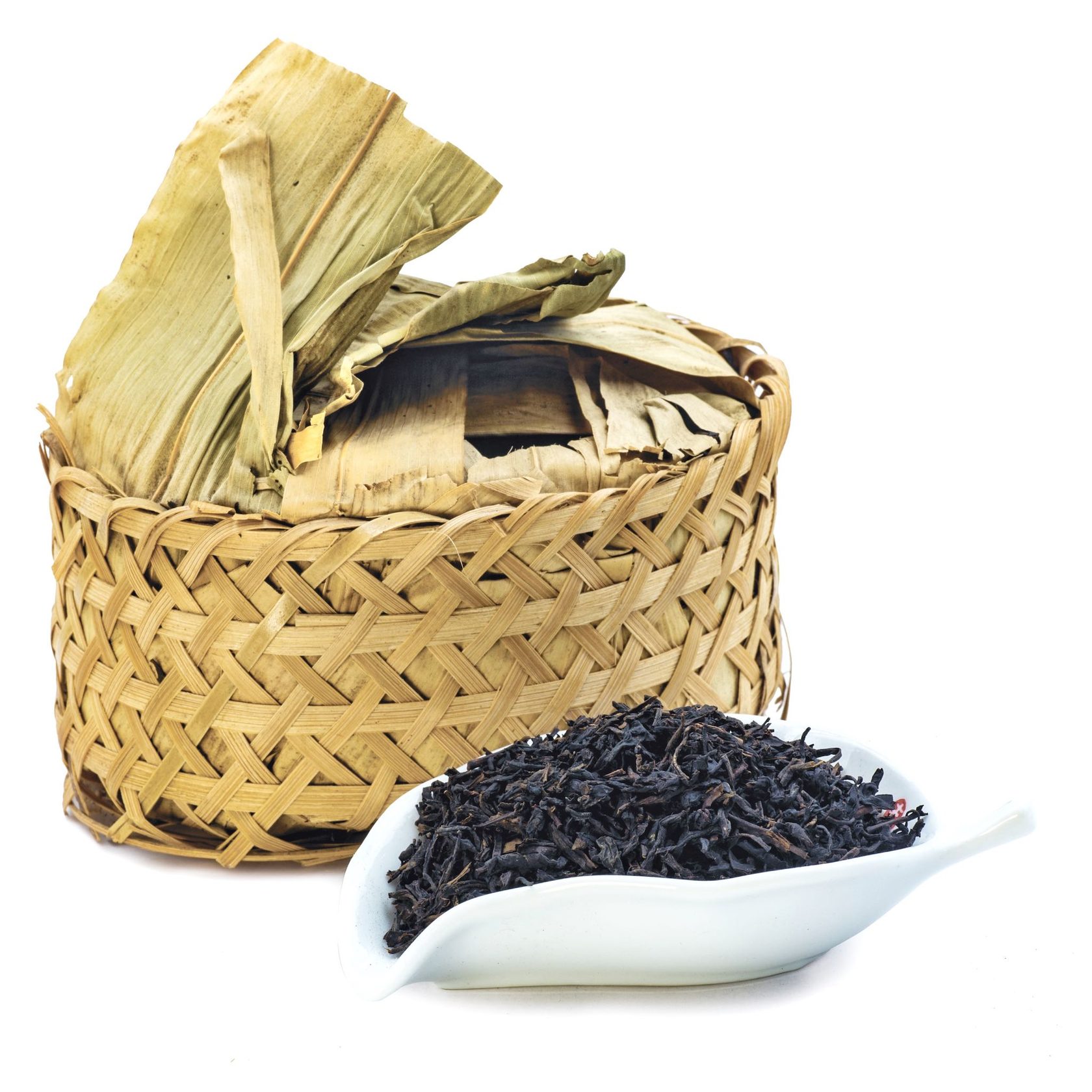
The top grade of Anhua’s loose dark teas — once sent to the imperial court. Tender spring leaf, lightly fermented and dried over pine in the “Seven-Star kiln”, for a soft, smoky-sweet cup that only deepens with age.
- Region
- Anhua county, Yiyang, Hunan
- Harvest
- Spring buds and leaves; piled, then pine-dried
- Oxidation
- Post-fermented (lightly piled, then aged)
- Cultivar
- Hunan broad-leaf bushes
In the cup
Soft and faintly sweet, with a clear pine-smoke note over dried fruit and aged wood — thick and round, never harsh, sweeter with the years.
What it gives
A warming, digestive dark tea — long taken to cut through fat and dairy, settling and gentle on the stomach.
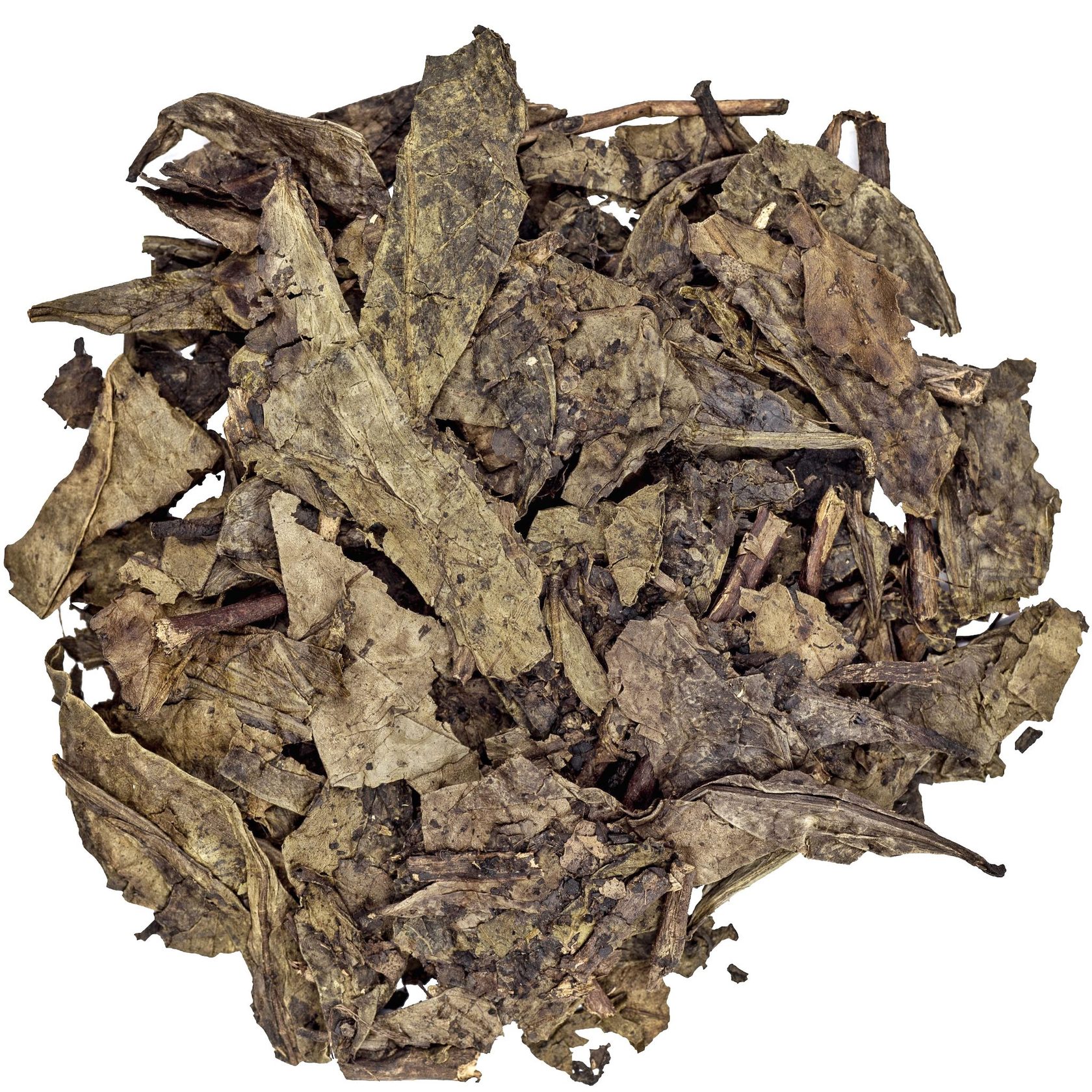
Tian Jian — heaven tip — is the highest of the three loose grades of Anhua dark tea in Hunan, above Gong Jian and Sheng Jian, a hierarchy that was once a real feudal one: Tian Jian went to the imperial court. Unlike the pressed bricks of the region it is left loose, and it is made from tender spring buds and leaf rather than the coarser material of brick tea.
Anhua dark tea is a true post-fermented hēichá. The leaf is piled warm and damp to ferment, then dried — and here is the signature — over pine wood in the Seven-Star kiln, which lends a clear, clean smokiness. The cup is soft and faintly sweet, the pine smoke set over dried fruit and aged wood, thick and round and never harsh. Like all Anhua tea it ages well, growing deeper and sweeter over the years.
In the cup
Rinse it first to wake the leaf, then brew boiling and short for many steeps. The liquor is amber, deepening with age toward red-brown. It is the tea to reach for after a rich meal, or brewed long on a cold day.
How to brew
Anhua Tian Jian
Water
100 °C — full boil
Leaf
6 g per 100 ml
Steep
Rinse, then 10–20 s, many steeps
Vessel
Gaiwan or clay pot