Dark tea · Shaanxi
Jingyang Fu Zhuan
泾阳茯砖
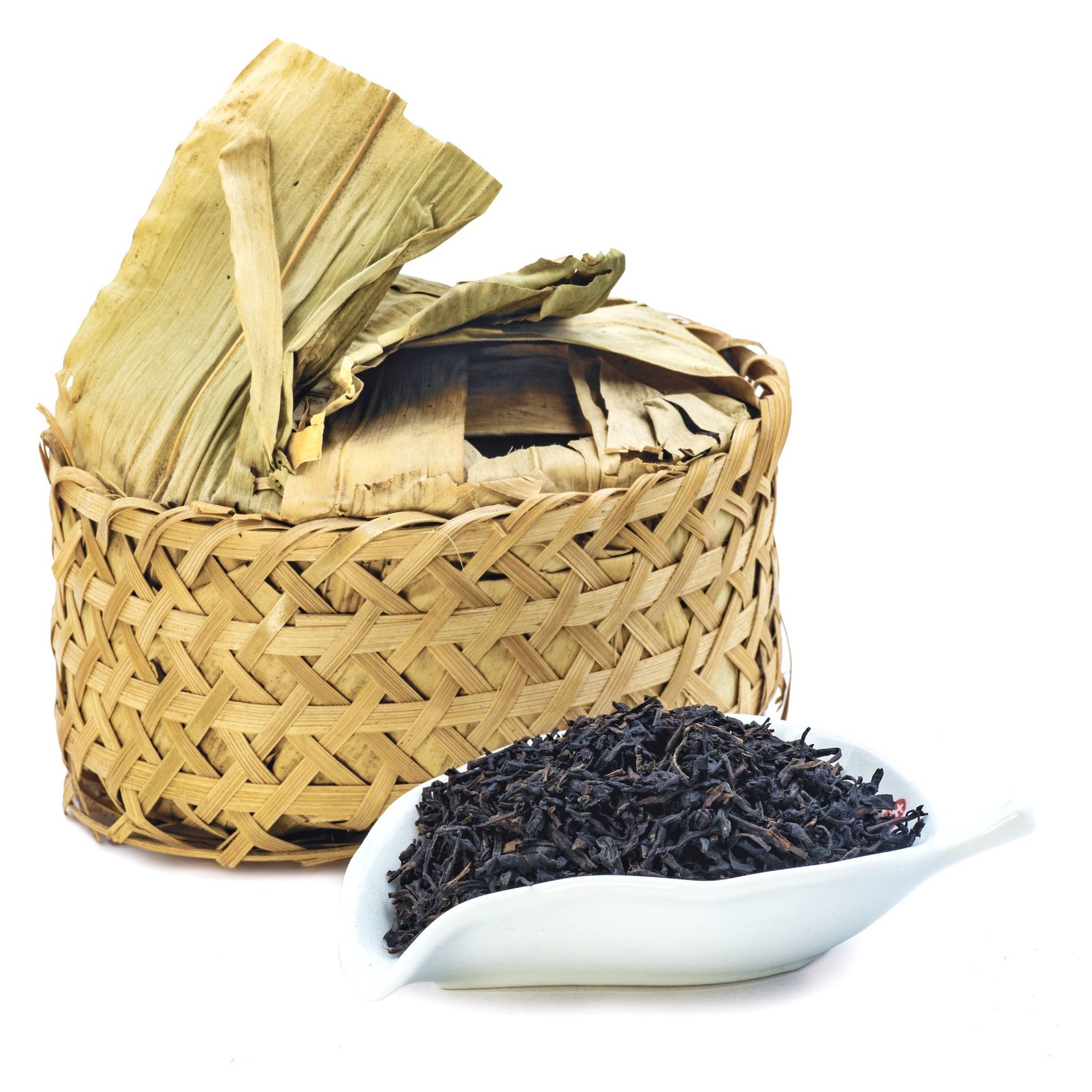
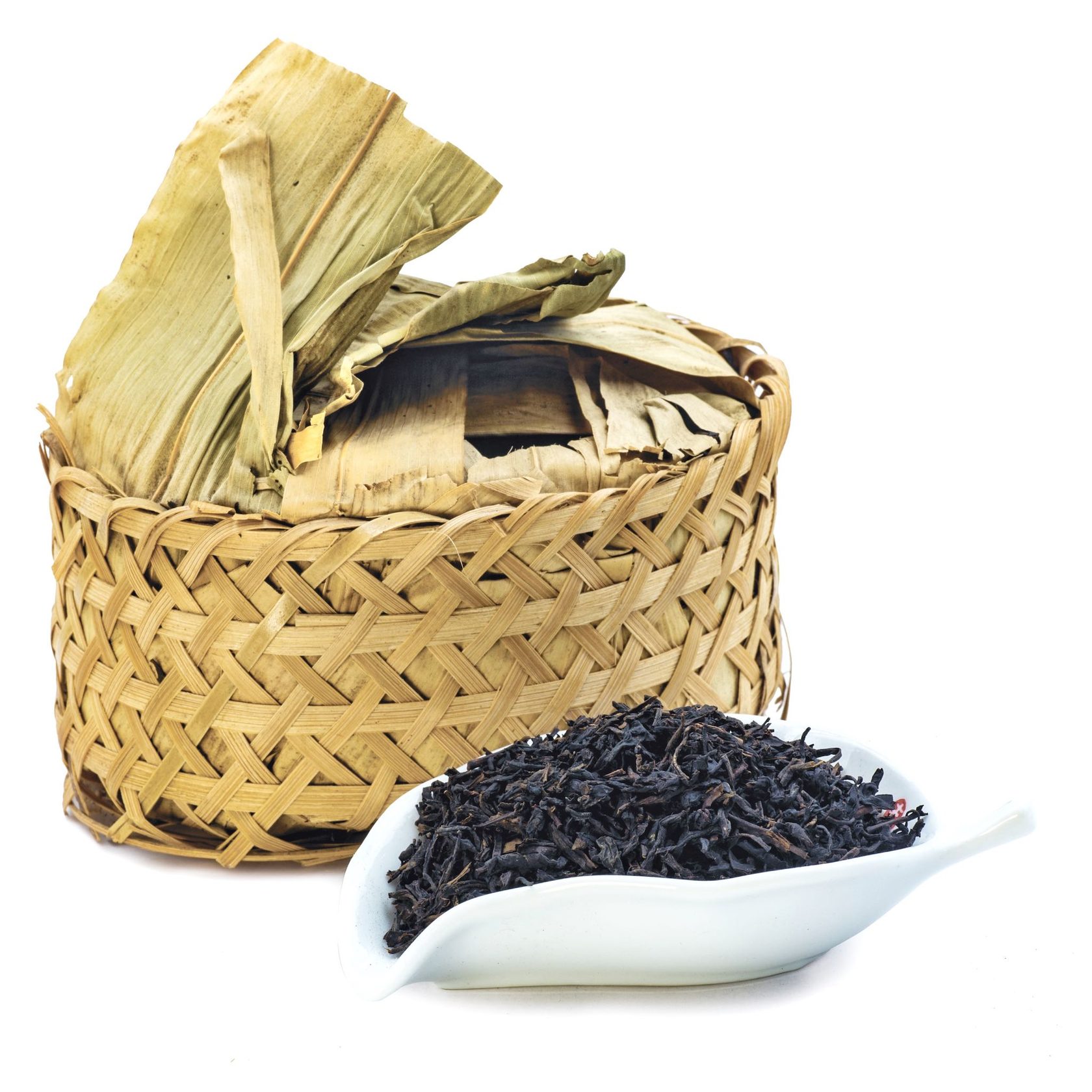
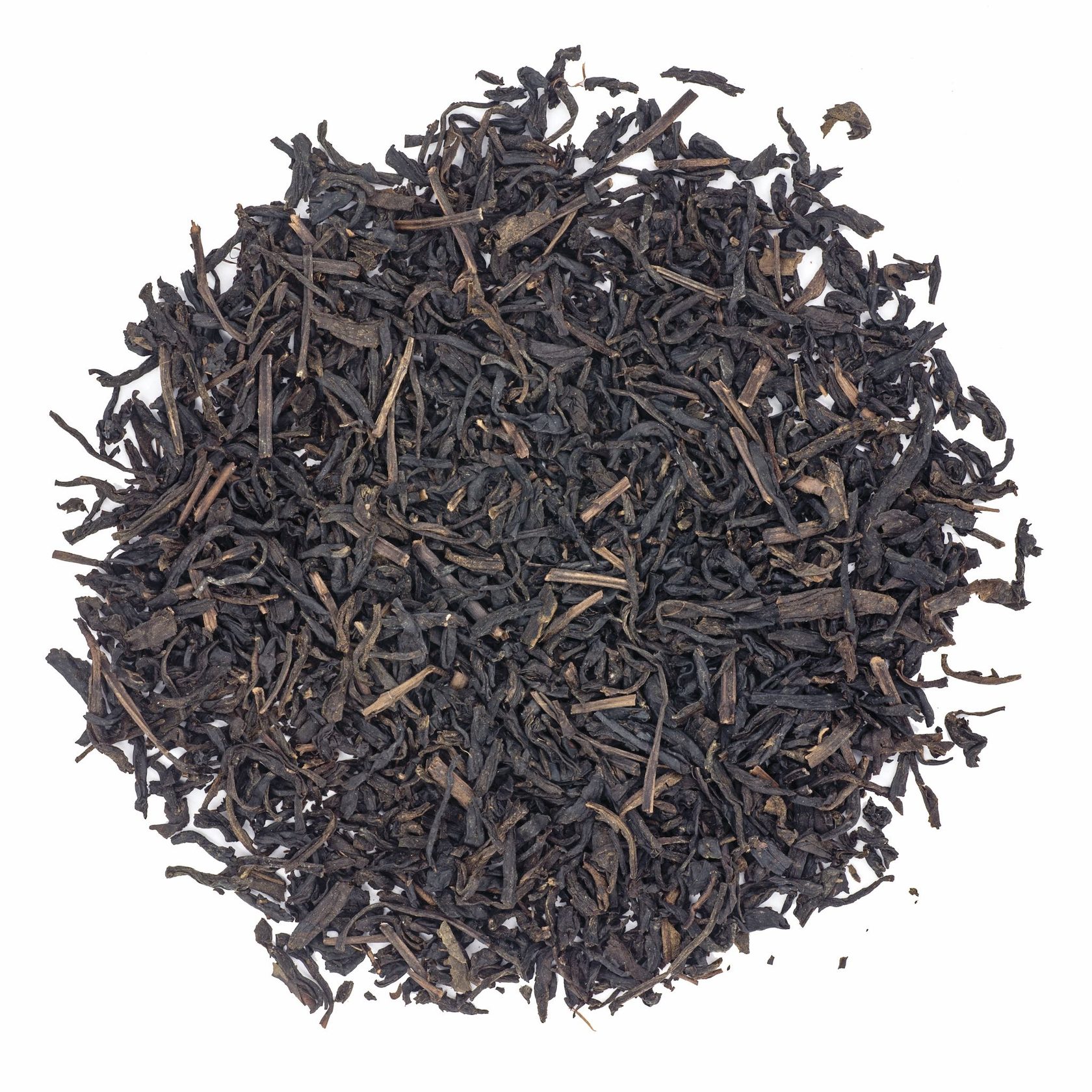
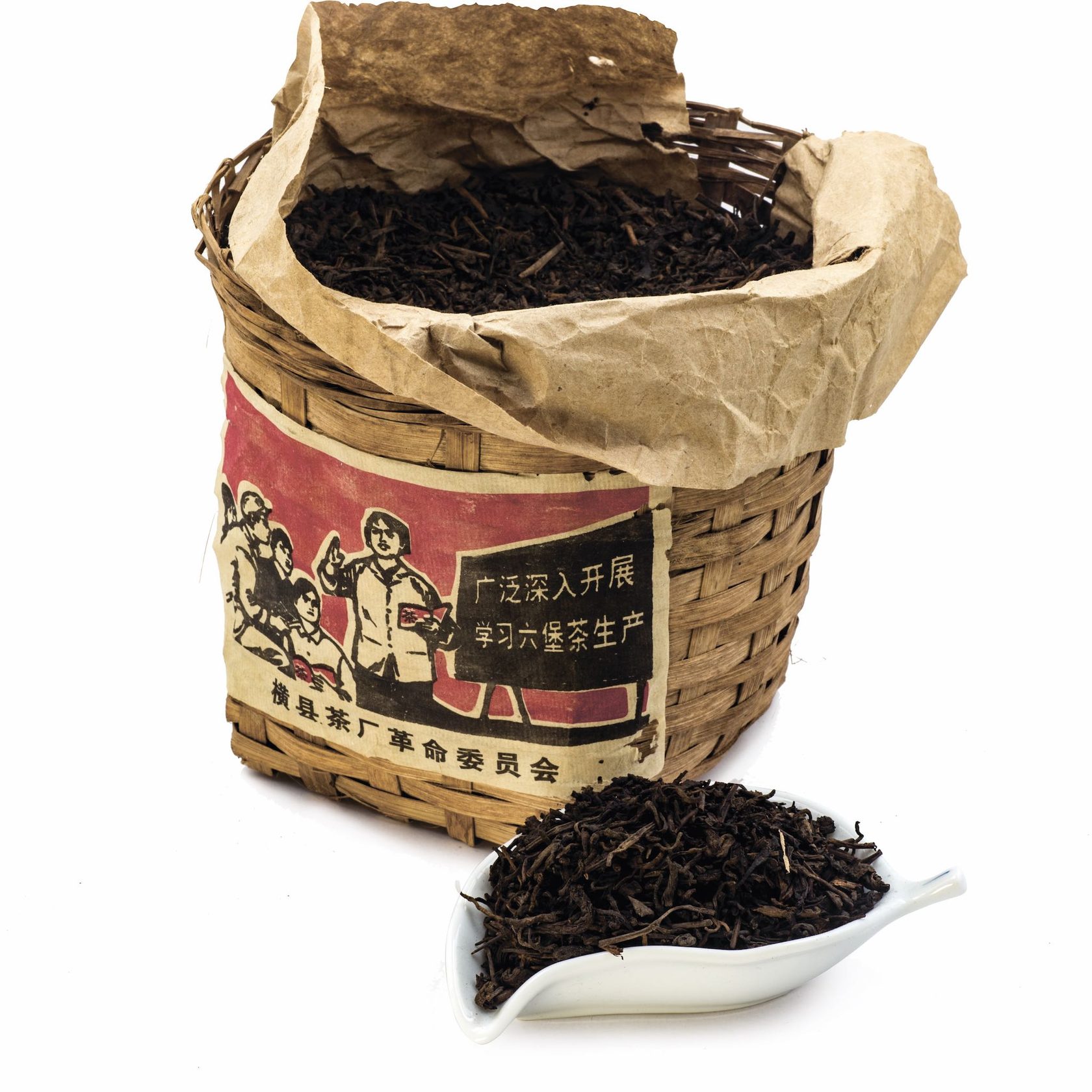
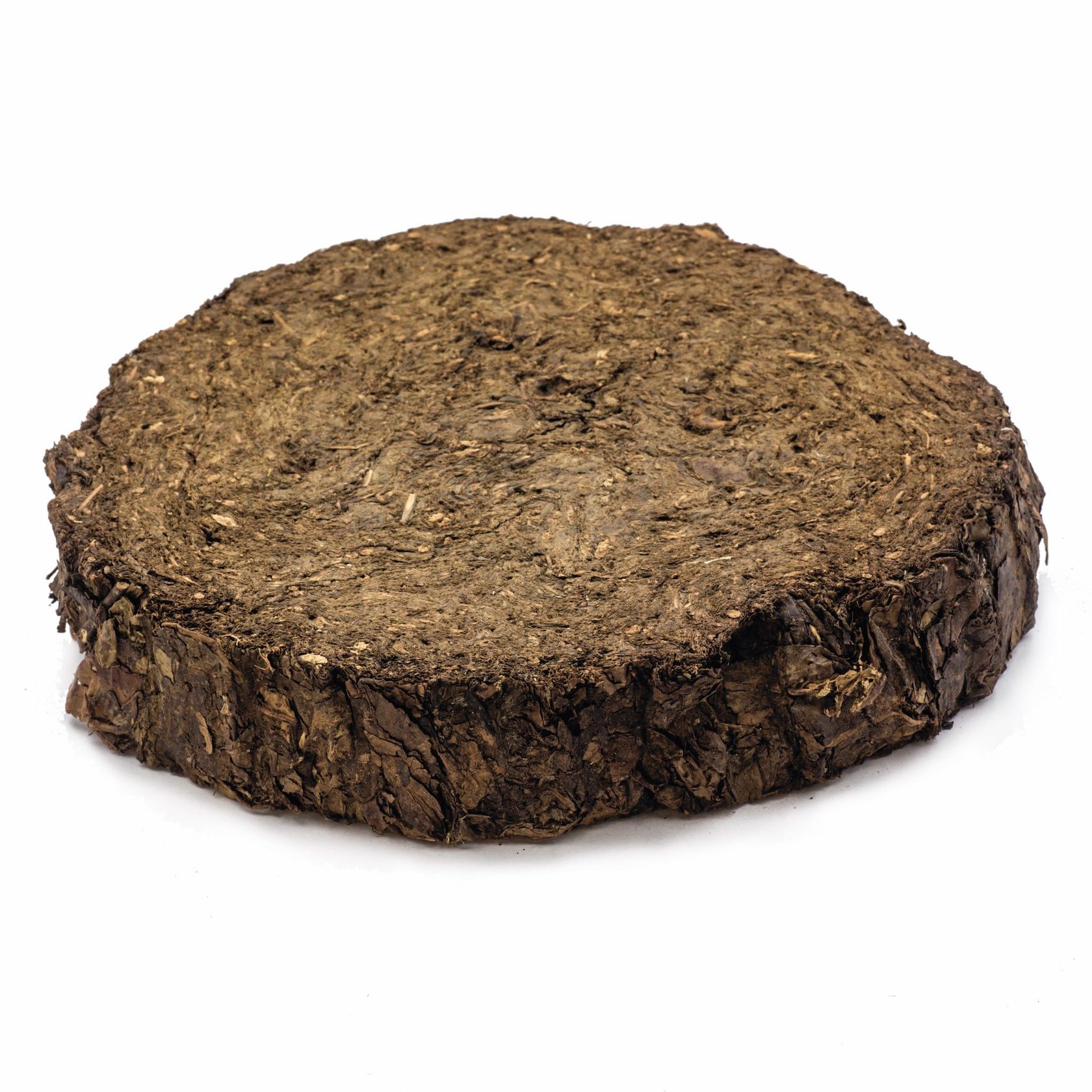
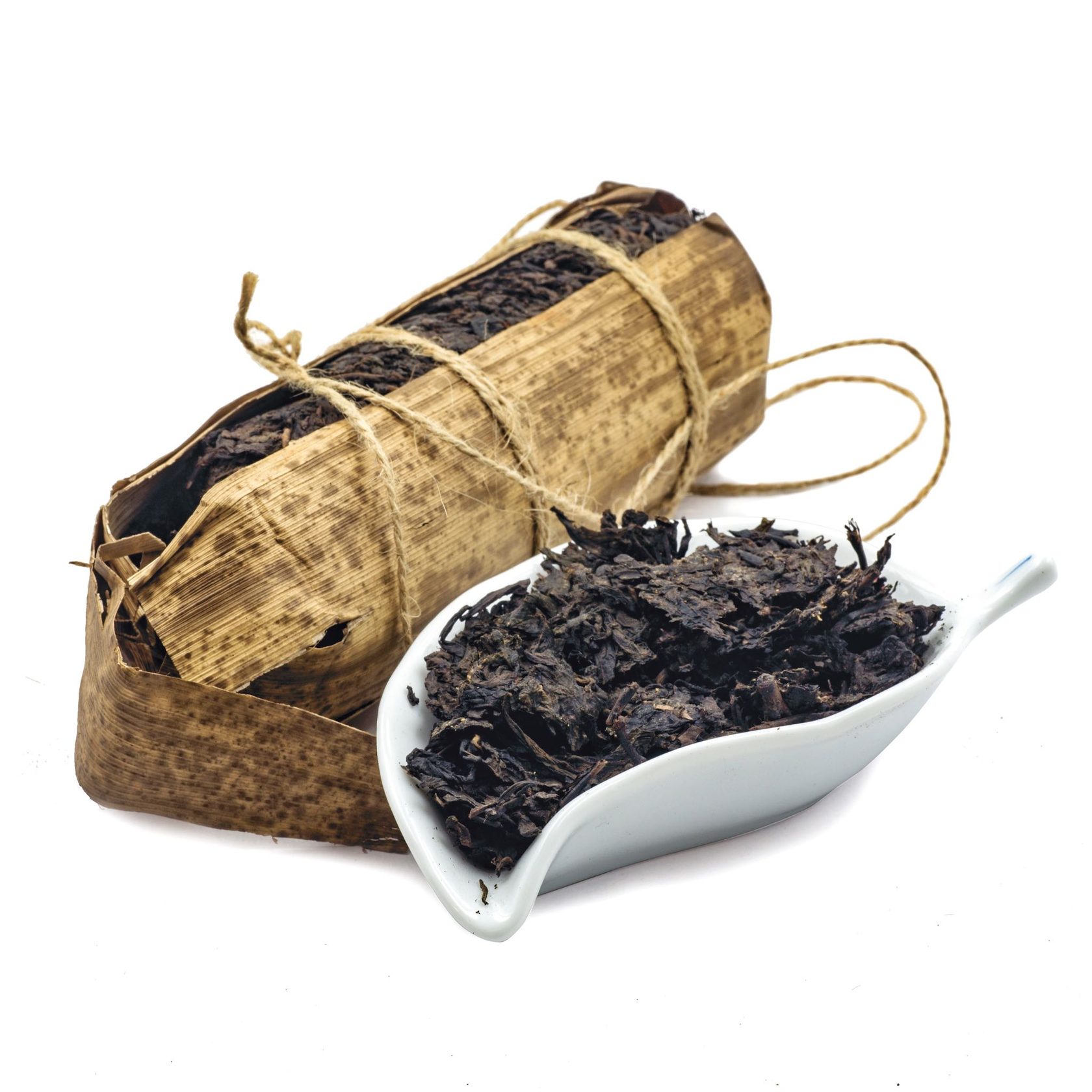
A fu-brick dark tea from Jingyang in Shaanxi — a place that grows no tea, but has pressed bricks for six centuries and cultured the golden “fu flower” fungus inside them. Sweet, buttery and silky, a leaf of the old tea-horse trade.
- Region
- Jingyang county, Xianyang, Shaanxi
- Harvest
- Pressed from dark maocha; “golden flower” cultured
- Oxidation
- Post-fermented; golden-flower brick
- Cultivar
- Imported dark maocha — leaf not grown locally
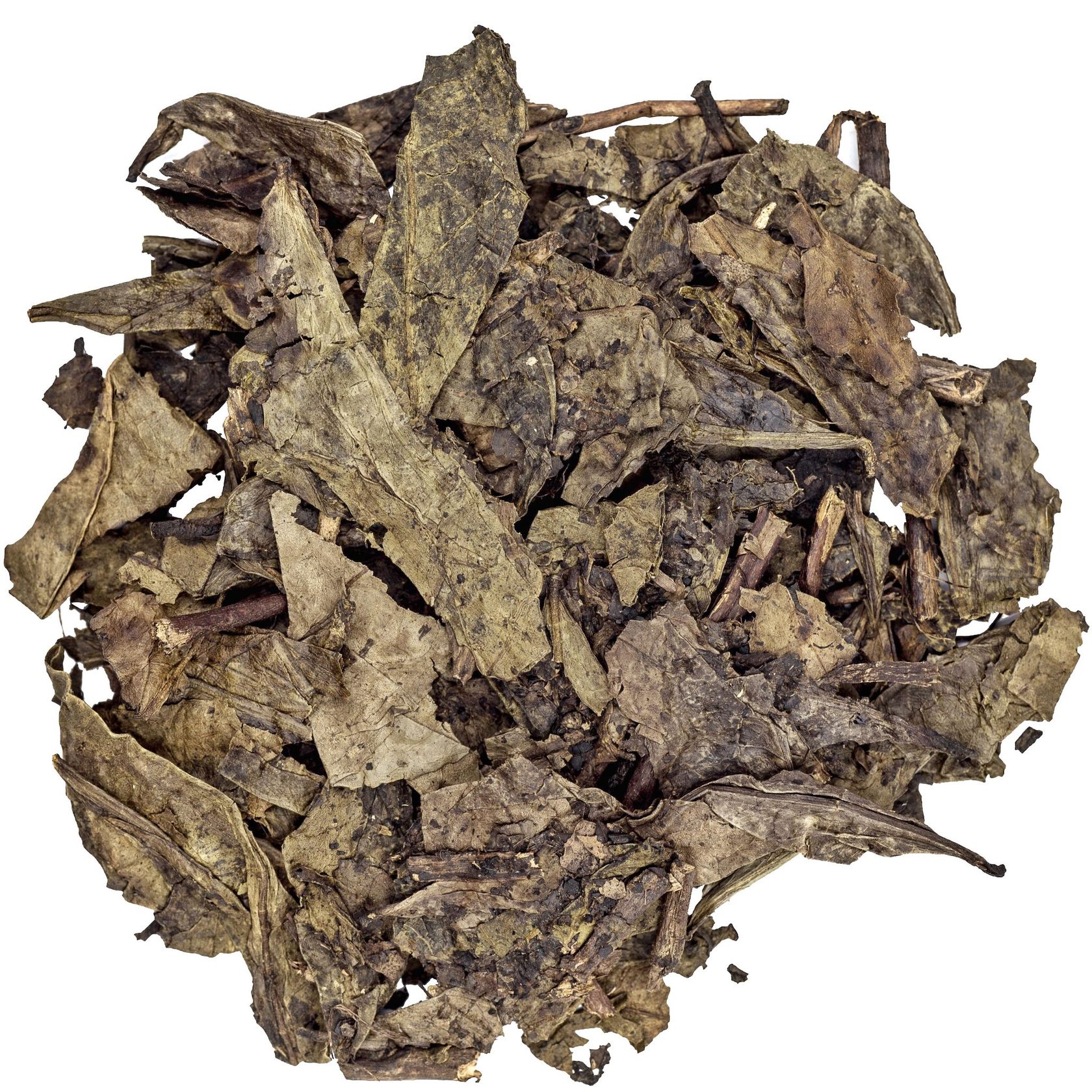
In the cup
A mellow mushroom note over dried fruit, nut and warm wood — full, oily and silky, with a long returning sweetness and almost no bitterness.
What it gives
A warming, digestive dark tea — long valued for cutting fat and aiding digestion, settling and gentle on the stomach.
Jingyang Fu Zhuan is a fu-brick dark tea with a strange distinction: it comes from a county that grows no tea at all. Jingyang in Shaanxi has, for more than six hundred years, taken in dark maocha leaf from elsewhere and pressed and fermented it into brick — a craft tied to the old tea-horse trade, where pressed tea travelled as a near-currency to the northwest.
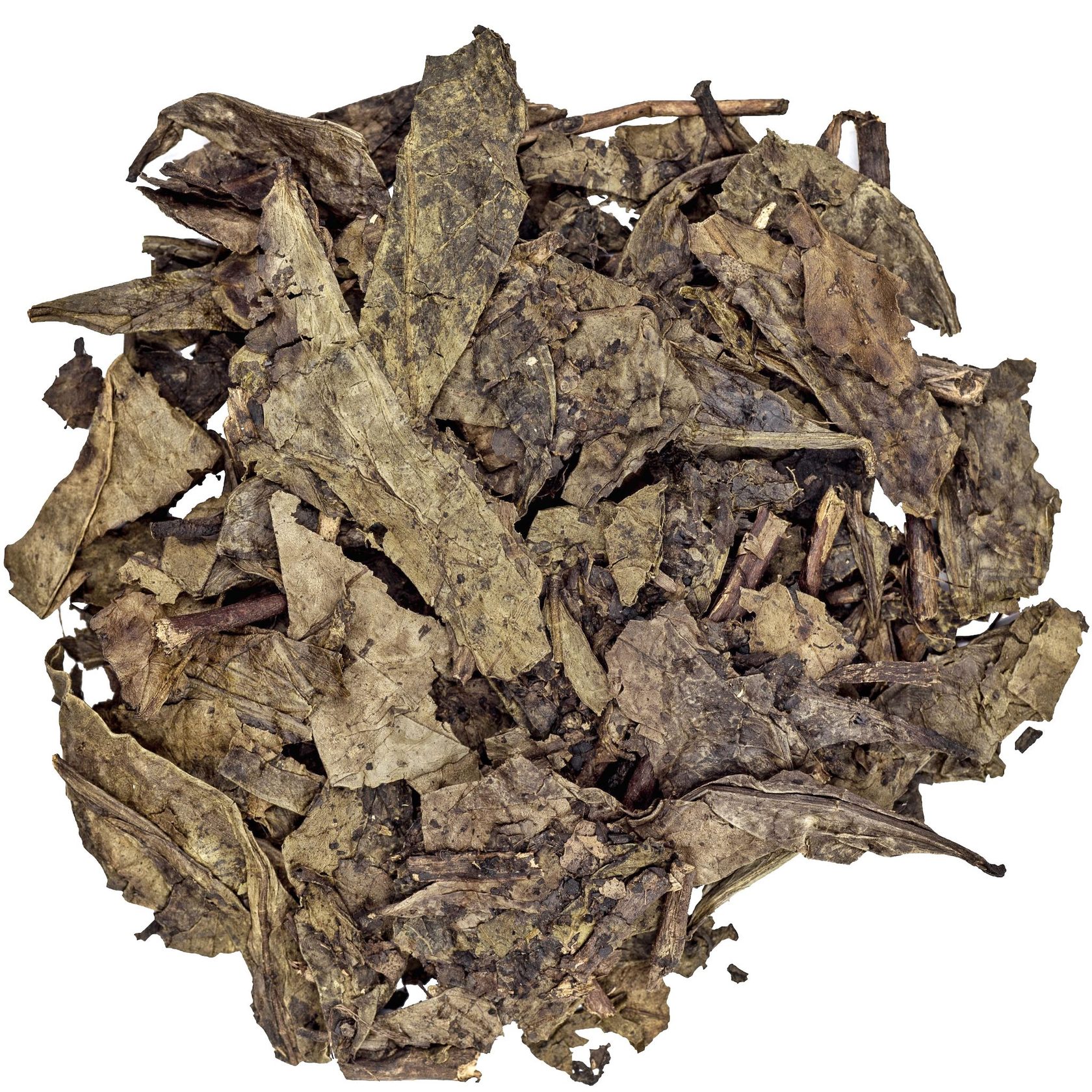
The brick’s glory is the golden flower, jīnhuā — the fungus Eurotium cristatum, cultured deliberately inside it as fine golden specks. The fungus is what makes a fu brick: it lends the tea its mellow, almost mushroomy sweetness, and a buttery, silky body. The cup is full and oily, chúnhòu — a rich depth with no sharp edges — over dried fruit, nut and warm wood, with a long huígān; older bricks turn toward medicinal, apothecary notes. The makers like to compare the role of the fungus to that of yeast in cognac and champagne.
In the cup
Rinse it first, then brew boiling and short for many steeps, or simmer it gently for a thicker cup. The liquor is orange-red and bright, like young amber, deepening with age. It is a tea for after a heavy meal, or for a long cold afternoon.
How to brew
Jingyang Fu Zhuan
Water
100 °C — full boil
Leaf
6 g per 100 ml
Steep
Rinse, then 10–20 s, many steeps; or simmer
Vessel
Gaiwan or clay pot