The seven classes · 05
Dark tea
hēichá · 黑茶
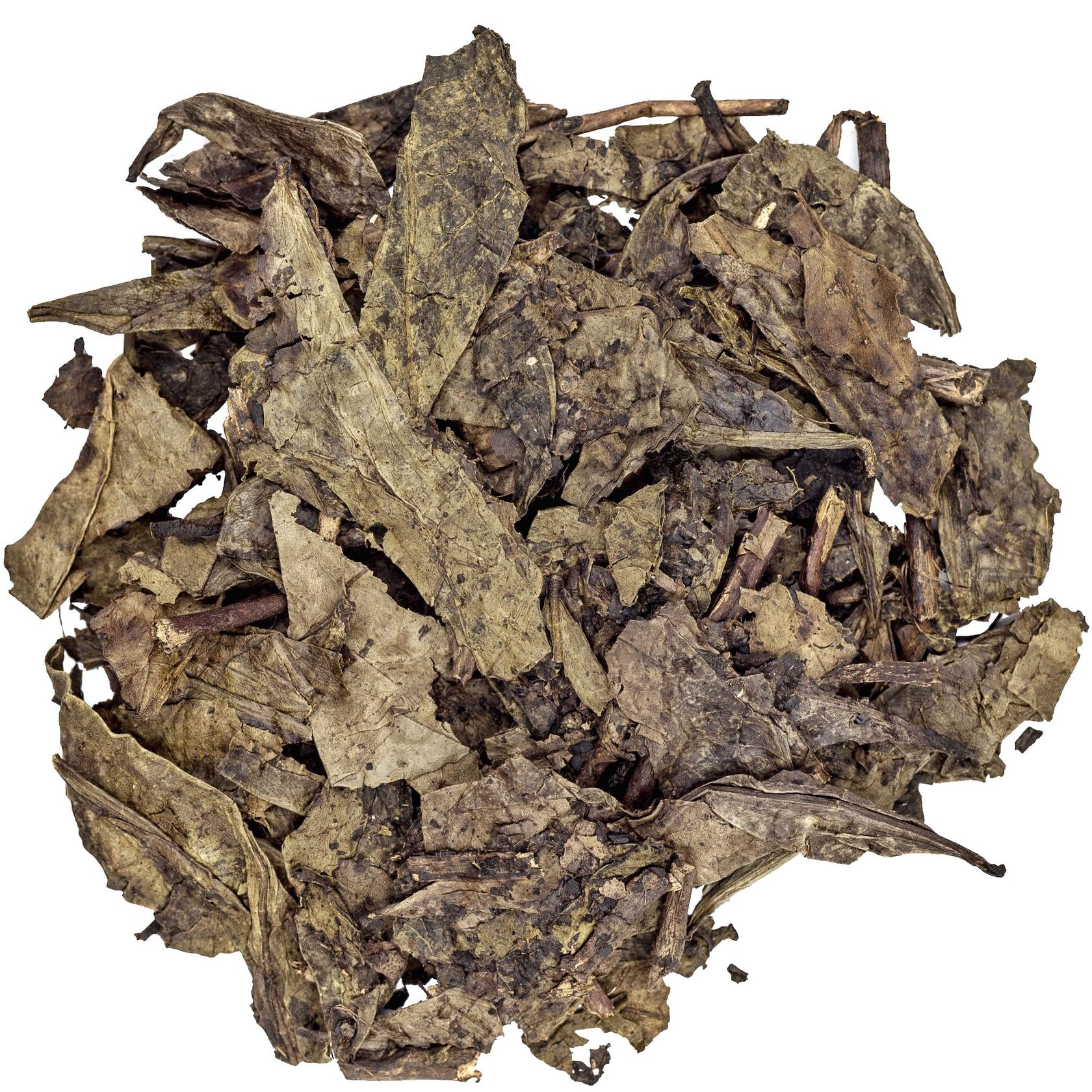
Dark tea is the genuinely black class — leaf that is fixed, then **fermented** by microbes over weeks, months or years. Pressed into bricks and cakes, it travelled the trade roads and aged into something deep, smooth and earthy.
Oxidation · Post-fermented — aged by microbes, not just air
This is the class English speakers do not expect, because the name they would give it — “black tea” — is already taken by hóngchá. Hēichá is the post-fermented class: after the leaf is fixed and rolled, it is subjected to a controlled microbial fermentation, wòduī, that keeps working long after the tea is dry.
Born of necessity, it was the tea of the trade roads — pressed into hard bricks and cakes for the long haul to Tibet, Mongolia and Russia along the routes the atlas maps. The fermentation makes it smooth, dark and forgiving, with notes of damp earth, wood and dried date, and almost no astringency.
Golden flowers
The most storied dark tea is Fu brick, fúzhuān, deliberately cultured with a beneficial fungus — Eurotium cristatum, the “golden flowers”, jīnhuā — speckling the brick like pollen. (Pu-erh is a close cousin from Yunnan, given its own page in the constellation.) Break a piece, rinse it once, and brew it long and hot.
Varieties in this class
Dark tea
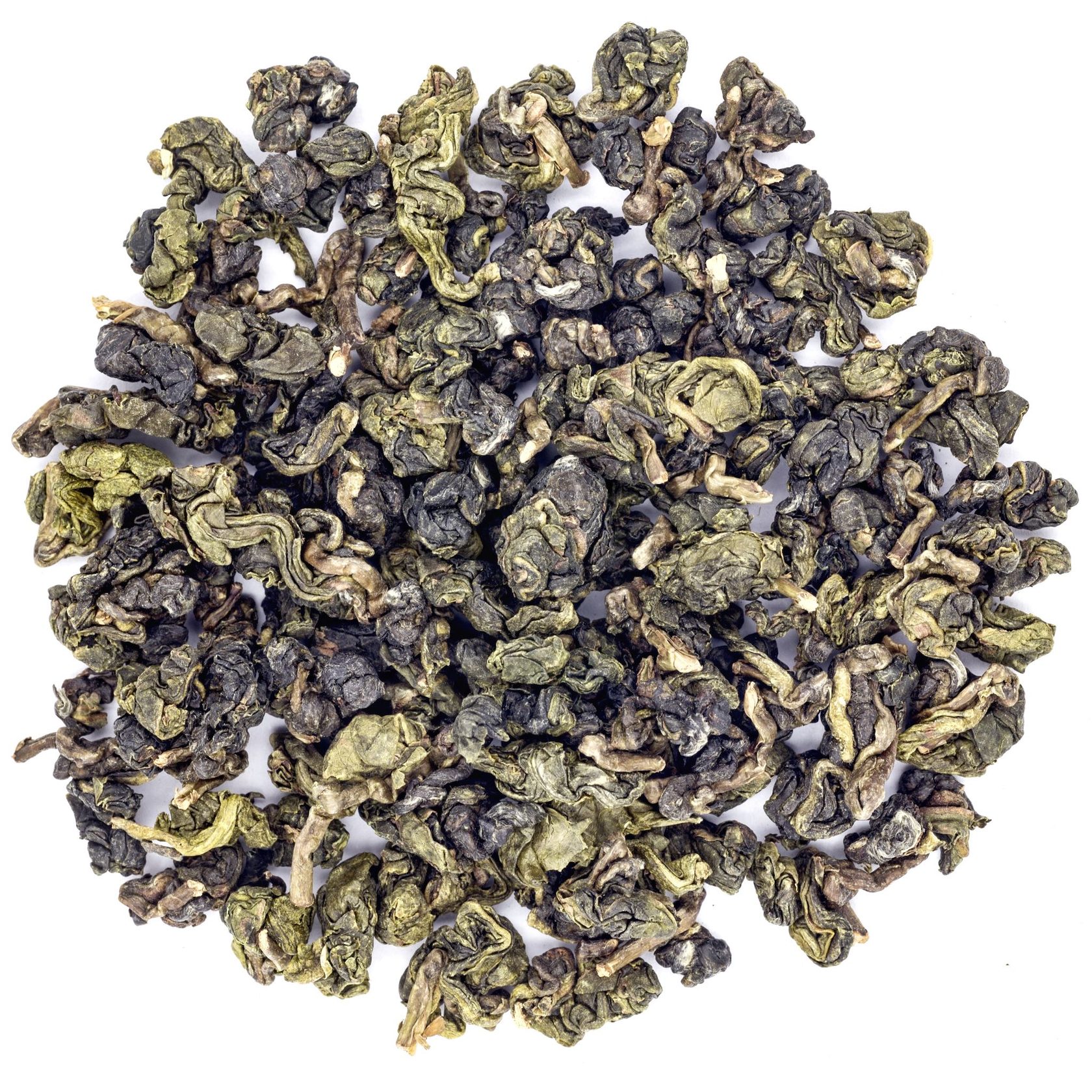
Ancha
[ānchá]
Learn more →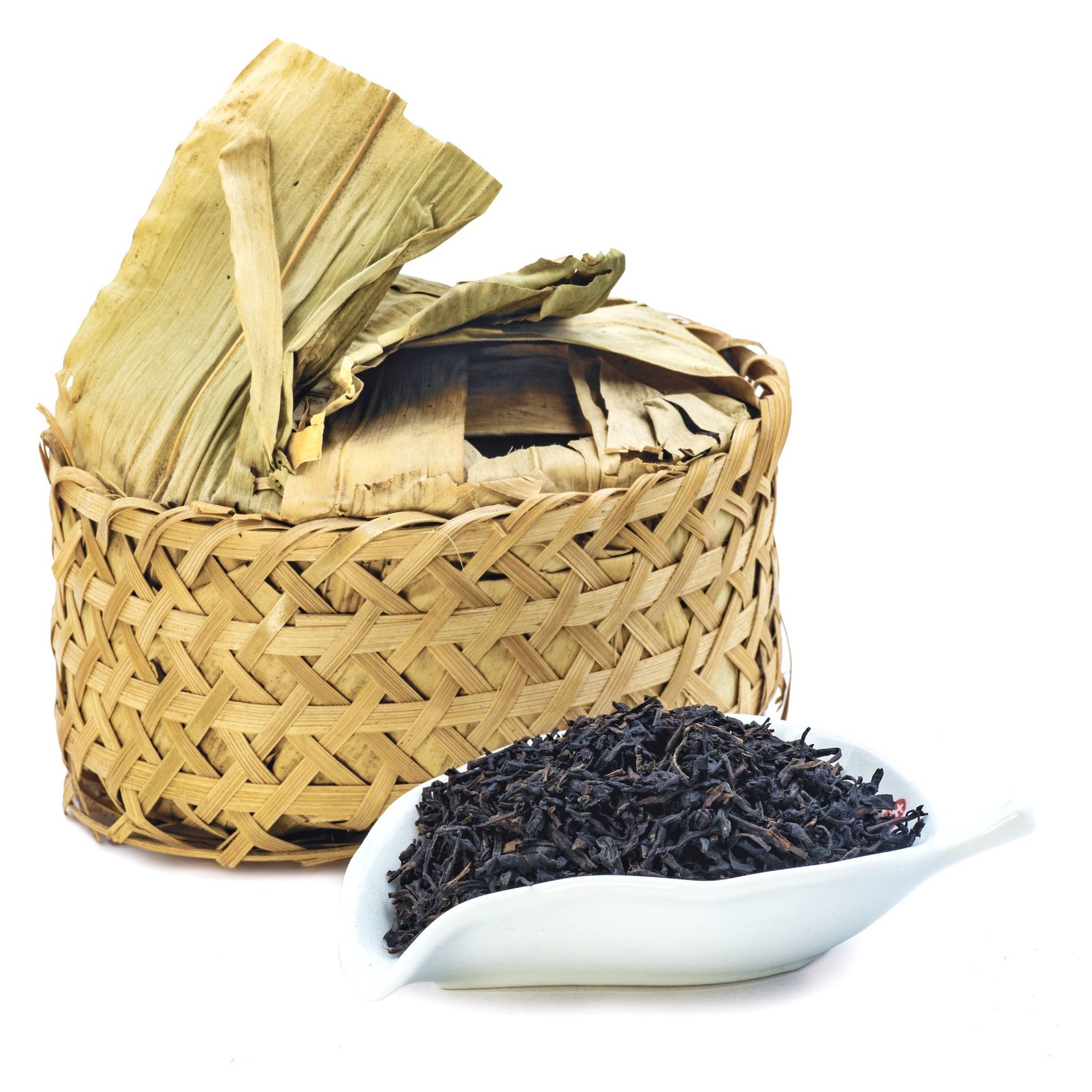
Anhua Heicha
[ānhuà hēichá]
Learn more →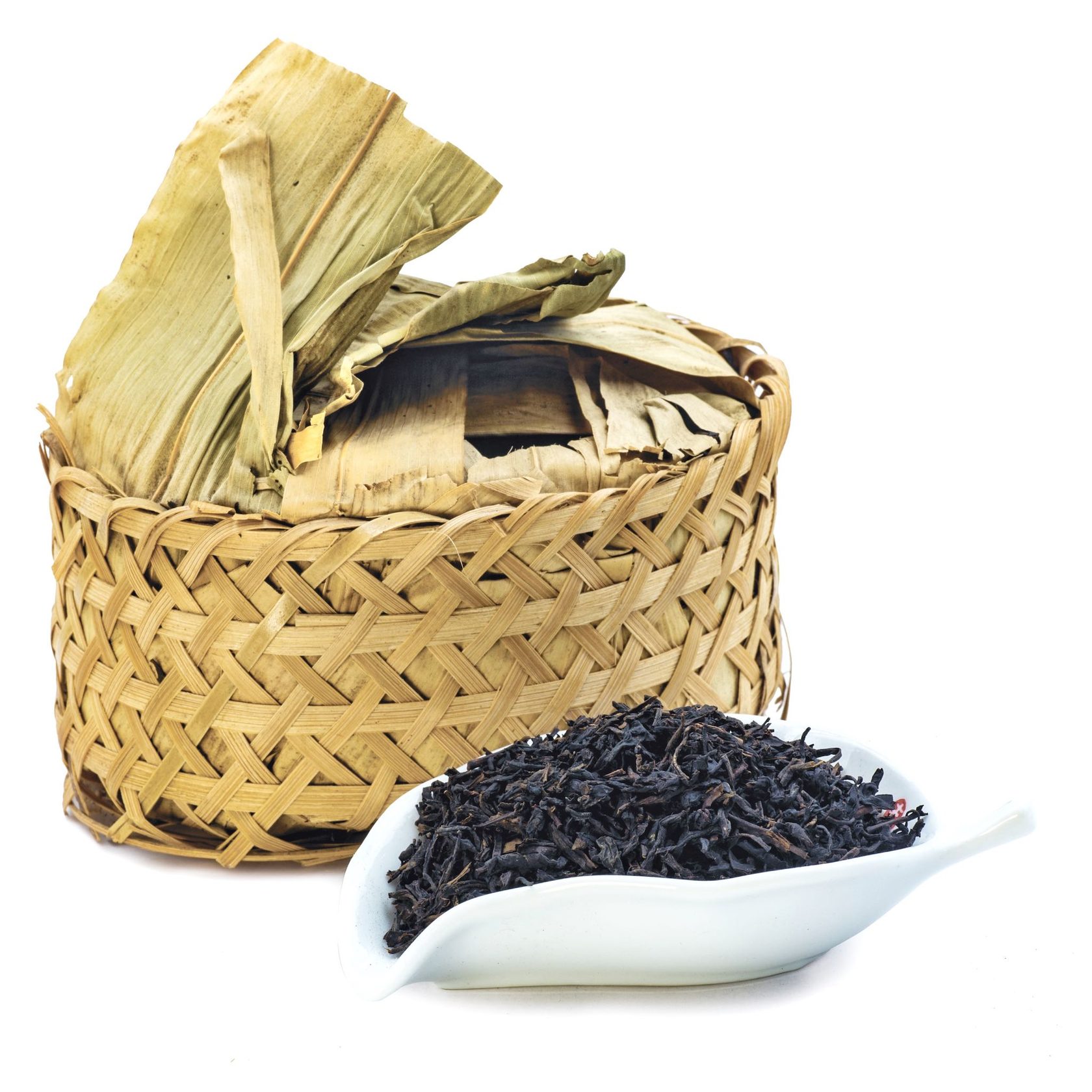
Anhua Tian Jian
[ānhuà tiānjiān]
Learn more →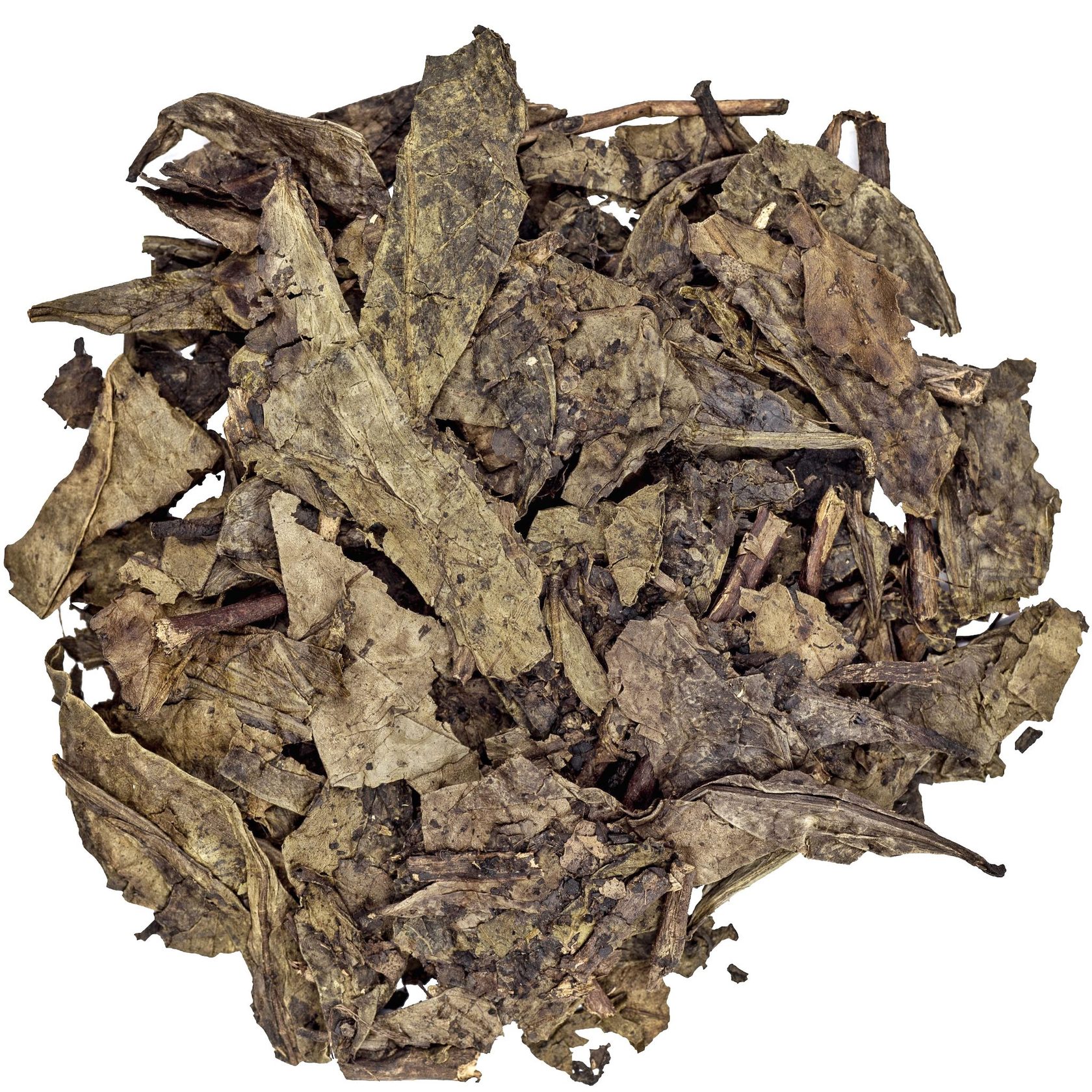
Fu Zhuan
[fúzhuān]
Learn more →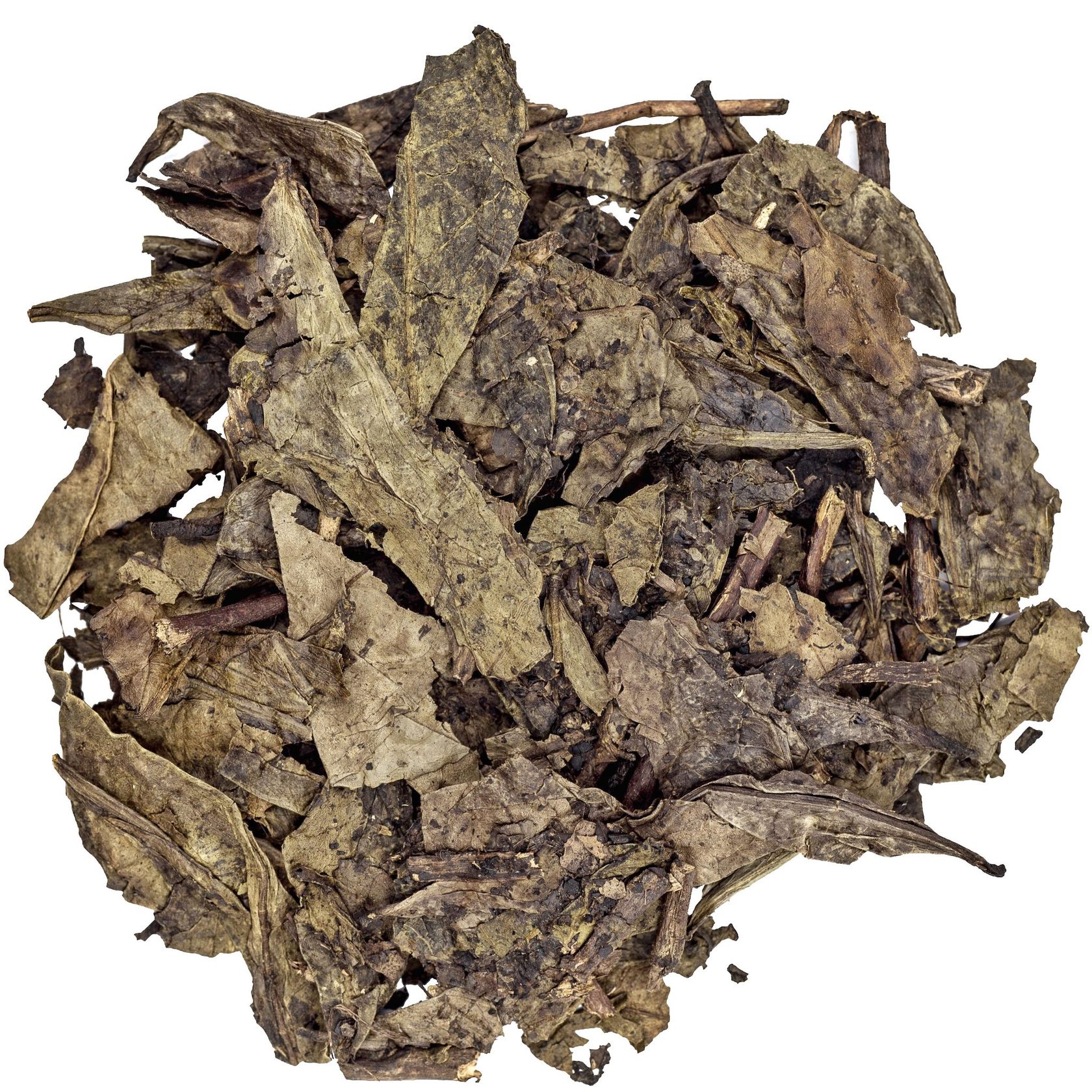
Jingyang Fu Zhuan
[jīngyáng fúzhuān]
Learn more →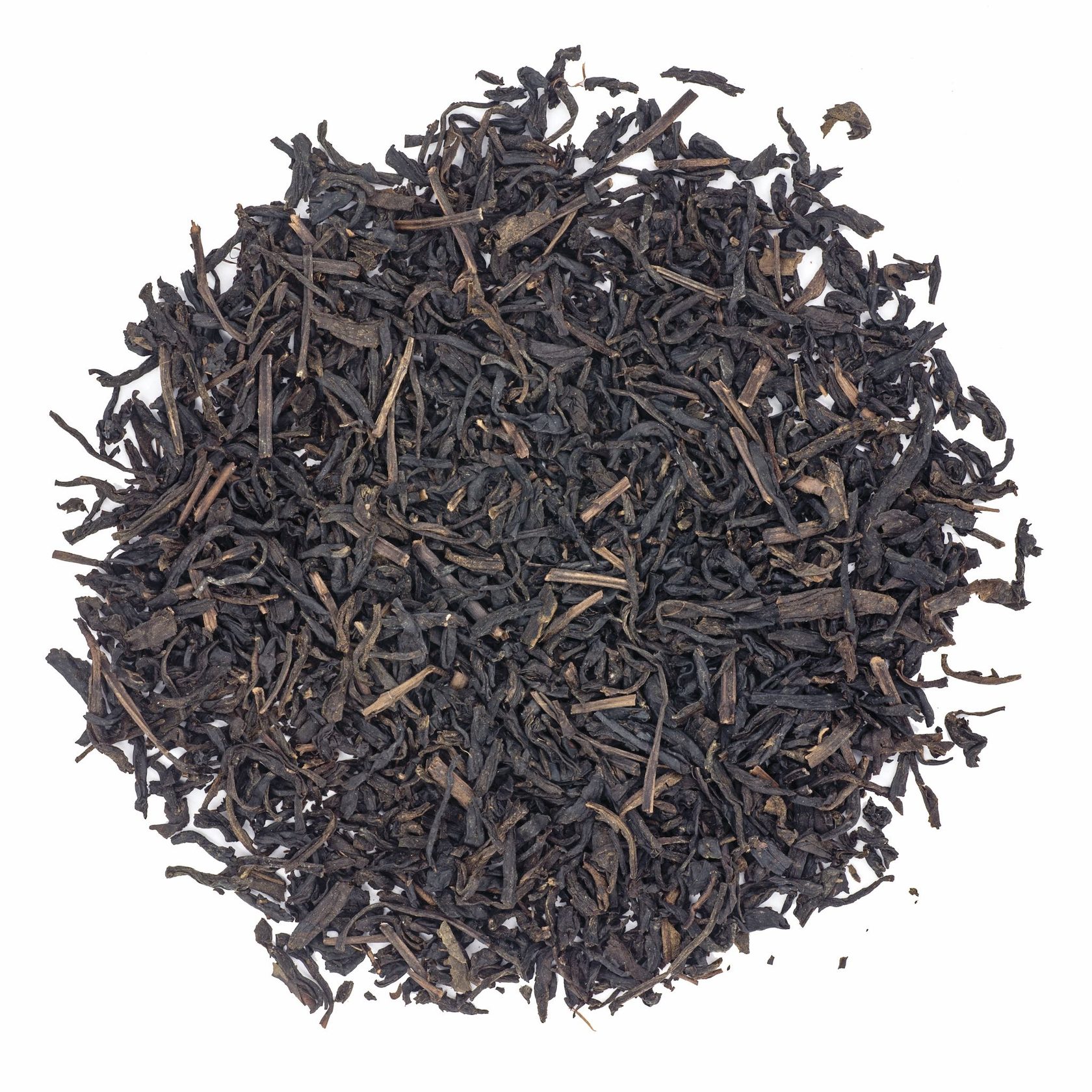
Liu An Hei Cha
[liù'ān hēichá]
Learn more →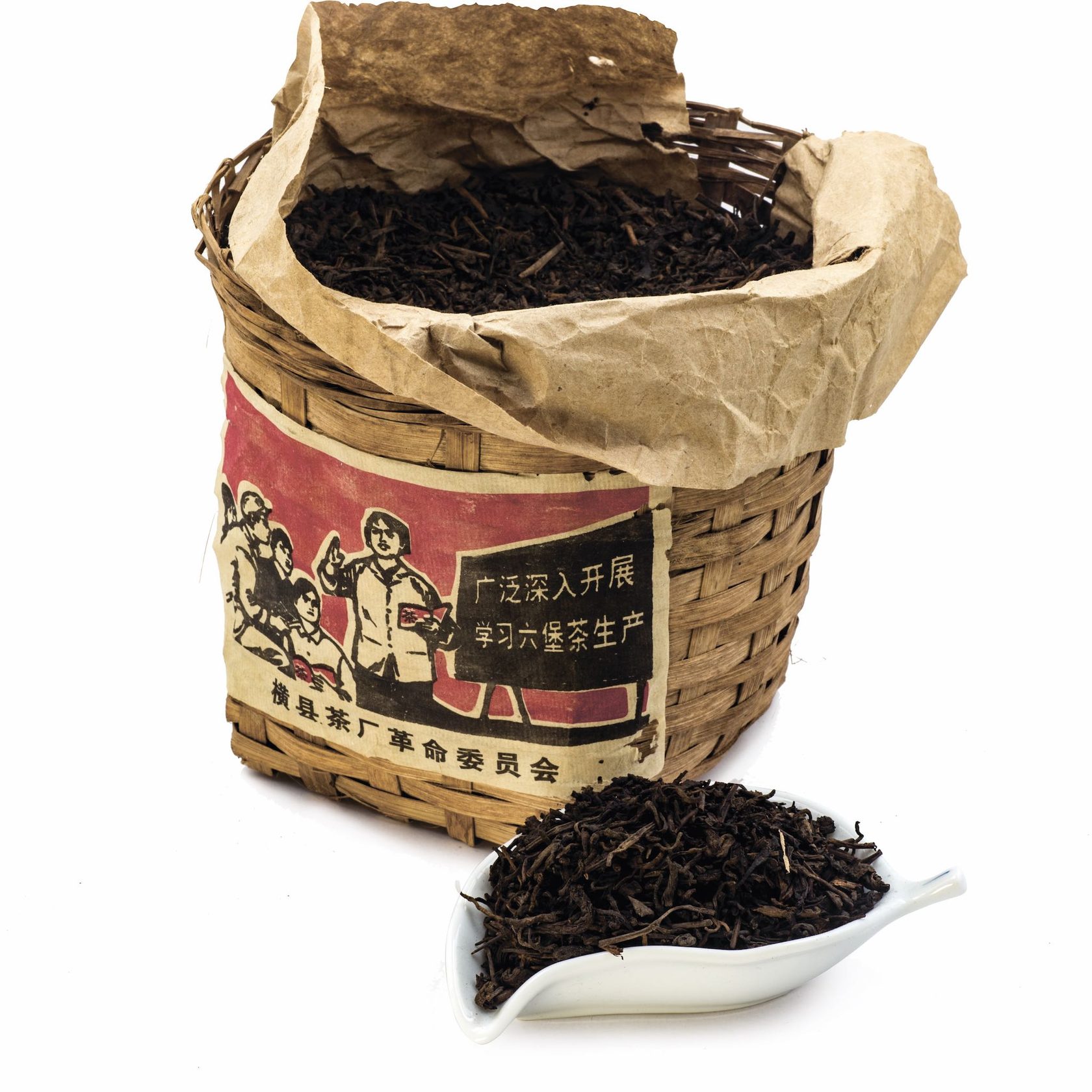
Liubao
[liùbǎo chá]
Learn more →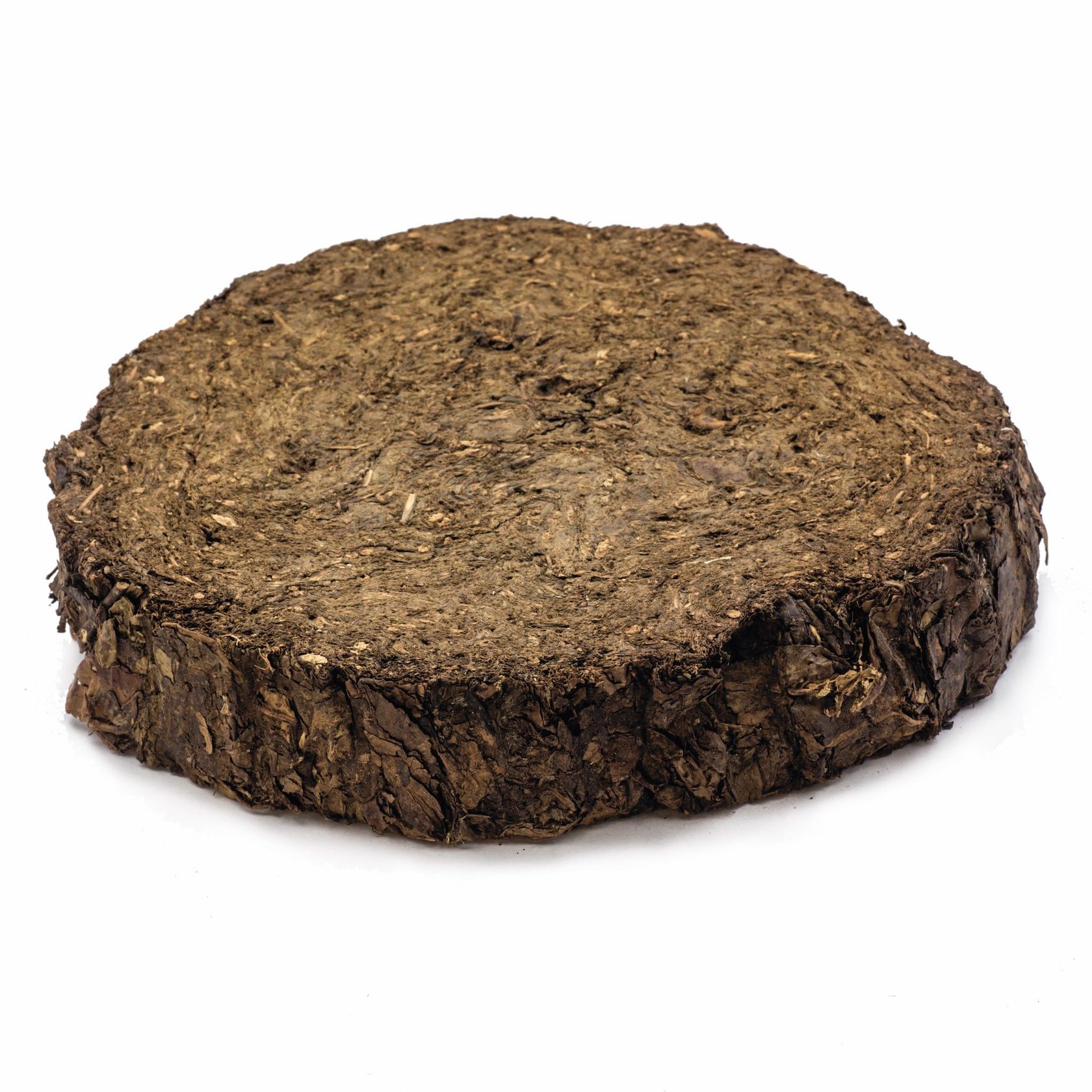
Qian Liang Cha
[qiānliǎng chá]
Learn more →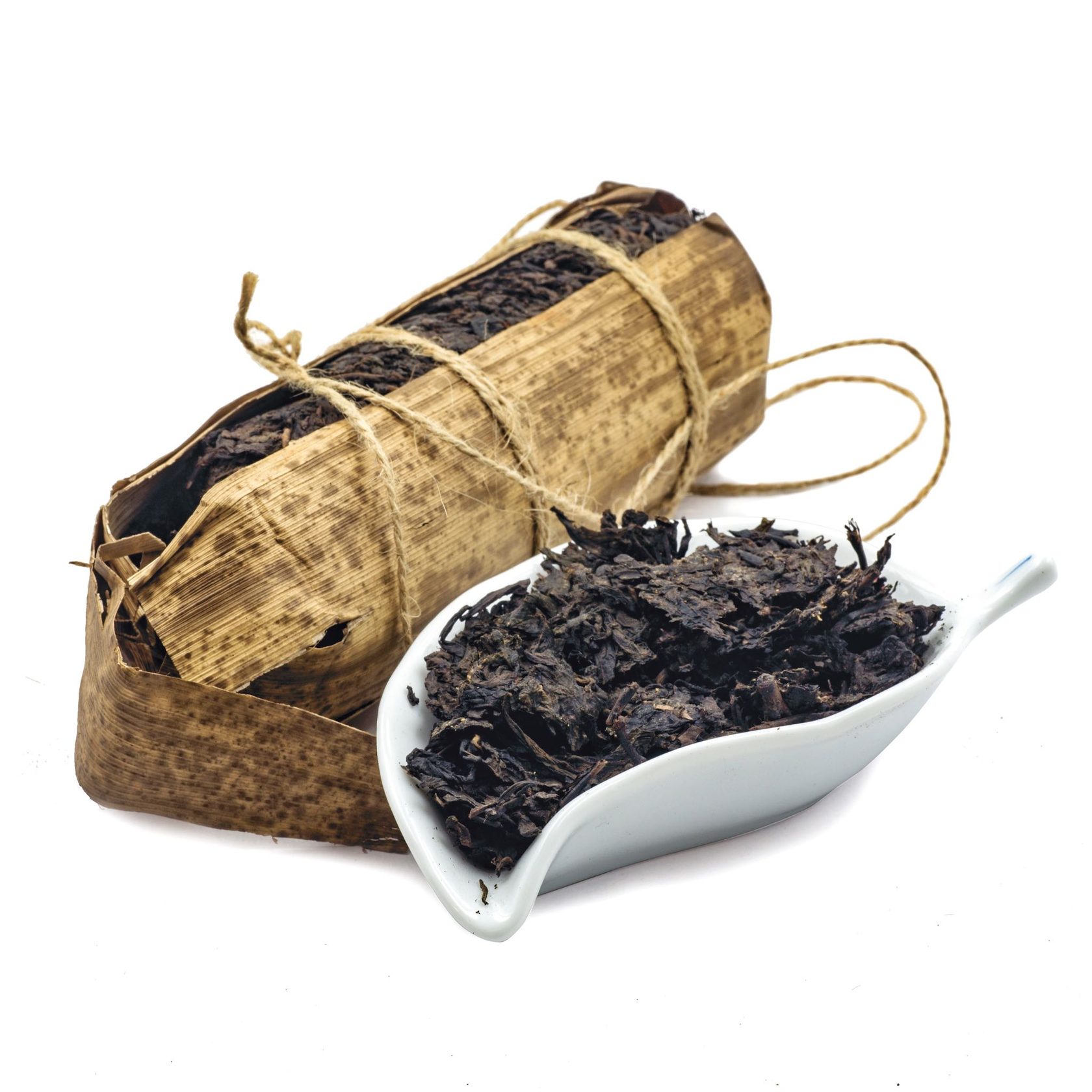
Sichuan Bian Cha
[sìchuān biānchá]
Learn more →