The seven classes · 04
Red tea
hóngchá · 红茶
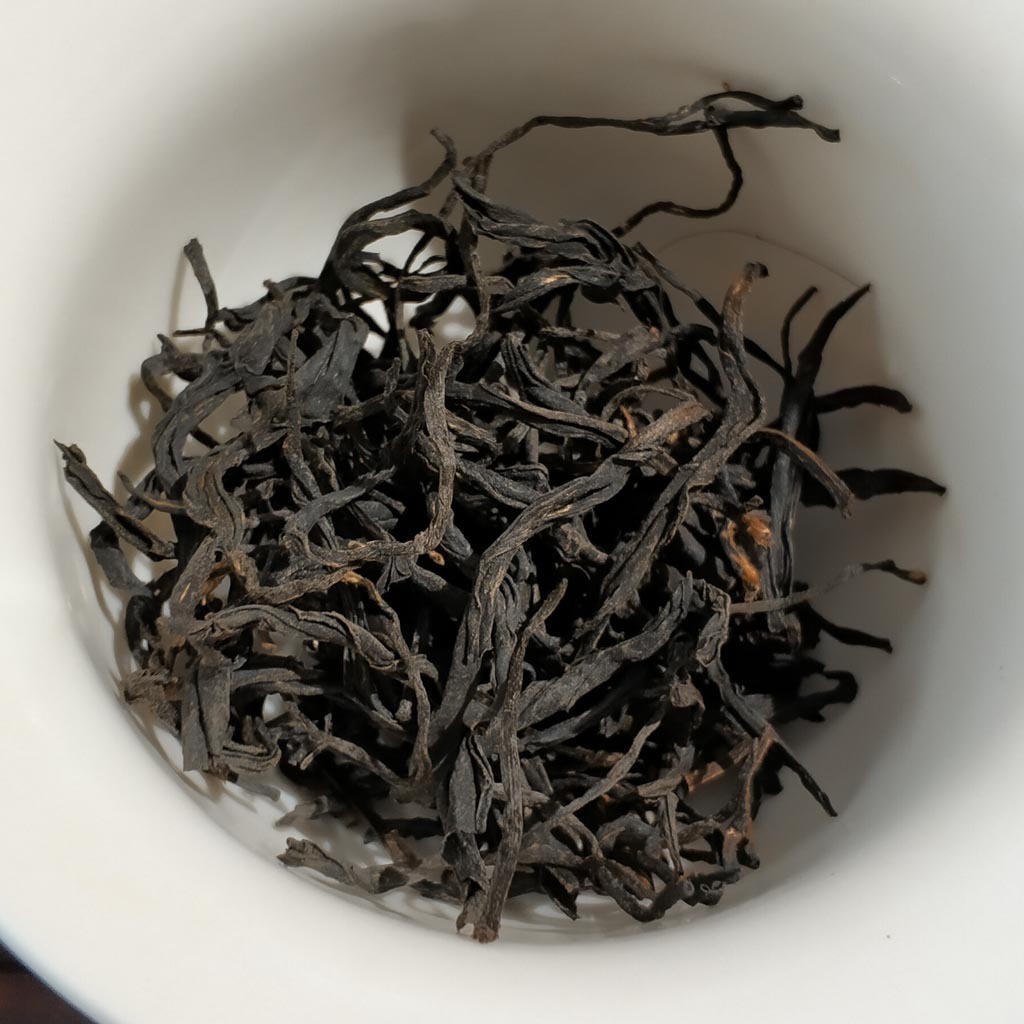
Red tea is leaf let to oxidise fully before drying, turning the liquor a deep amber-red — the *hóng* that names it. The West calls it black tea, but China named it for the colour in the cup, not the leaf.
Oxidation · Fully oxidised — the leaf, let to turn completely
Here is the great translation trap of Chinese tea. What the English-speaking world calls black tea, China calls red tea — hóngchá — for the amber-red colour of the brewed liquor. (China keeps the word “black” for the dark, fermented hēichá, a different class entirely.) Same leaf, two names, endless confusion.
Red tea is fully oxidised: the rolled leaf is left in warm, humid air until it browns completely, then dried. Oxidation is what builds the malt, the dried fruit, the cocoa and the gentle sweetness. It is also the most travel-hardy class, which is why it conquered the world.
A class with a birthplace
The first red tea was Zheng Shan Xiao Zhong (Lapsang Souchong) from the Wuyi mountains of Fujian — and from that root grew Keemun in Anhui, the golden-tipped Dianhong of Yunnan, and the modern bud-only luxury Jin Jun Mei. Brew it hot and full; it forgives a heavy hand.
Varieties in this class
Red tea
Bai Lin Gong Fu
[báilín gōngfū]
Learn more →
Dianhong
[diānhóng]
Learn more →
Dianhong Da Jin Ya
[diānhóng dà jīn yá]
Learn more →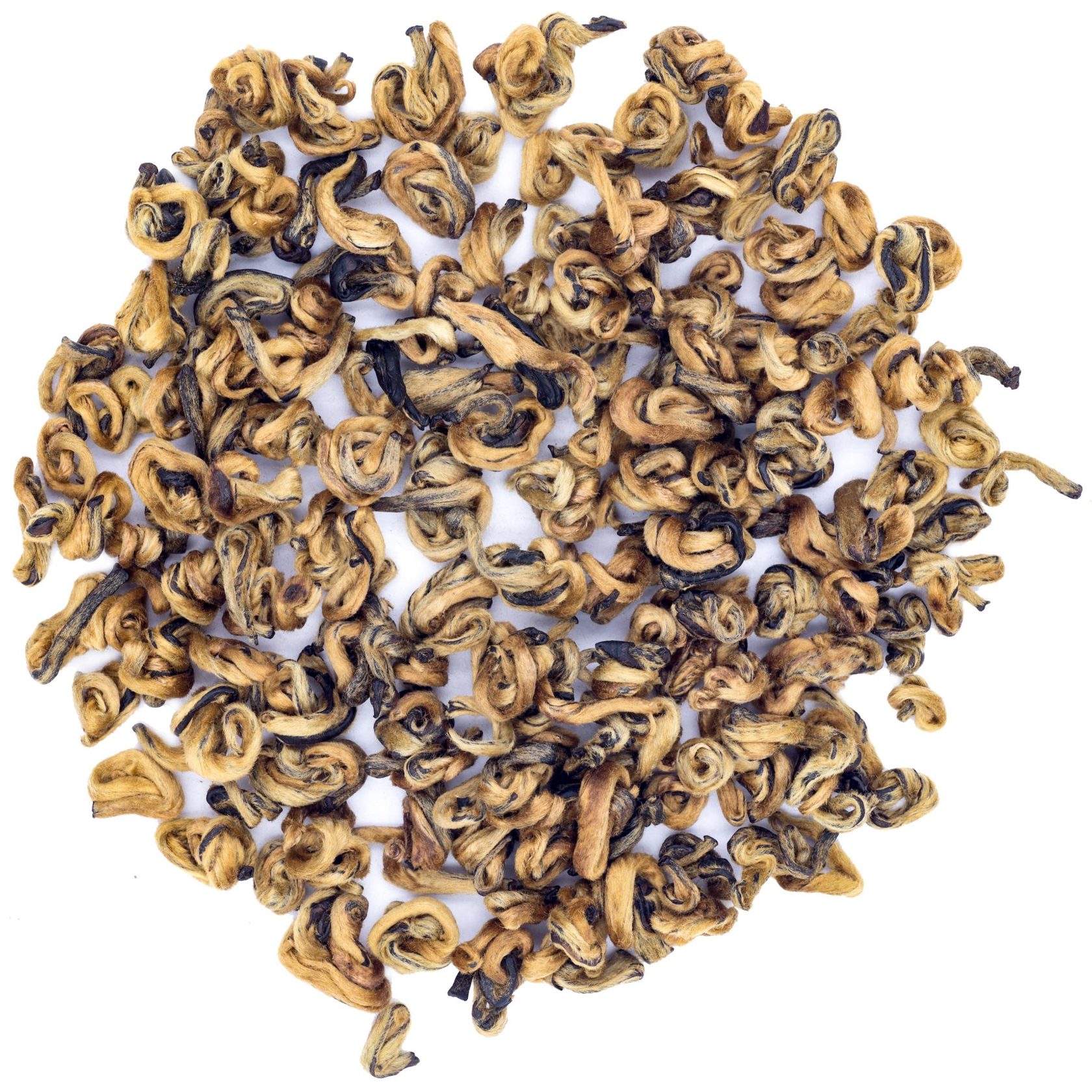
Dian Hong Jin Luo
[diānhóng jīn luó]
Learn more →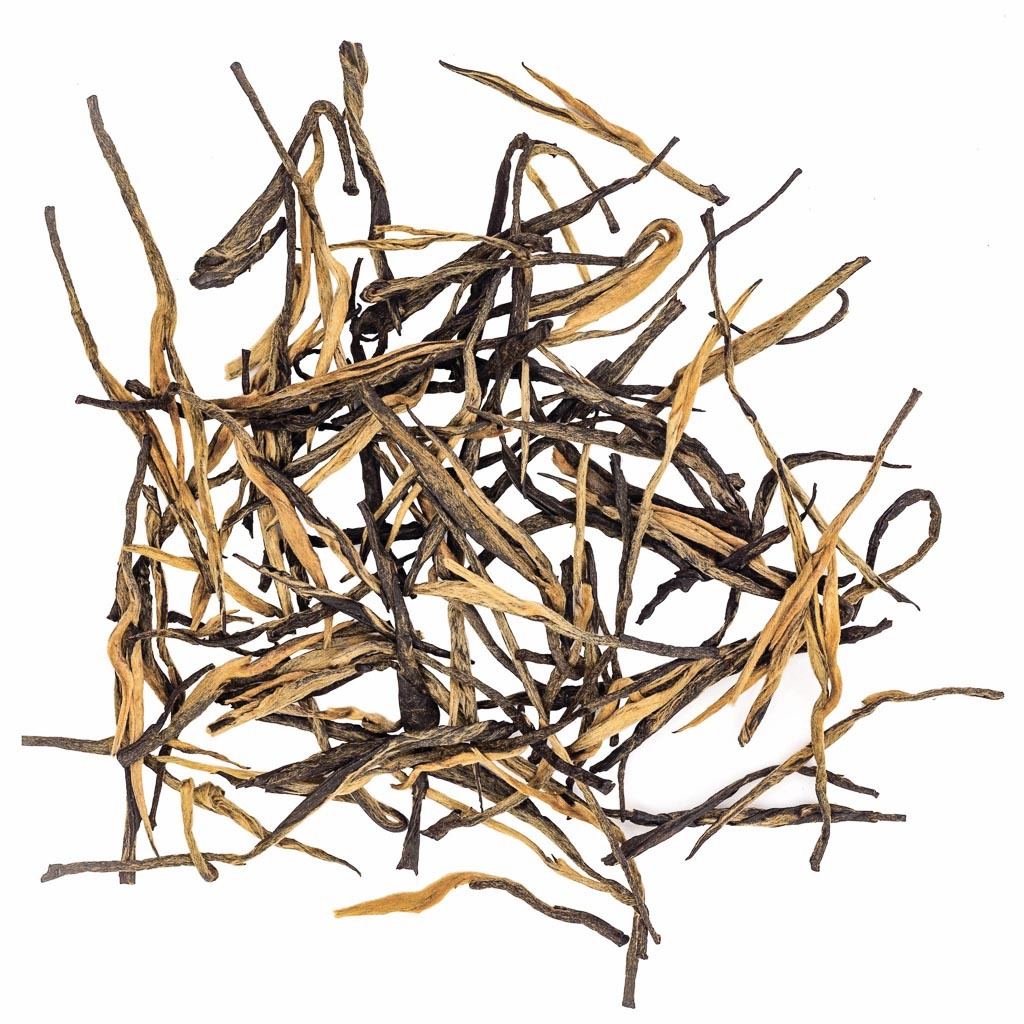
Dianhong Song Zhen
[diānhóng sōngzhēn]
Learn more →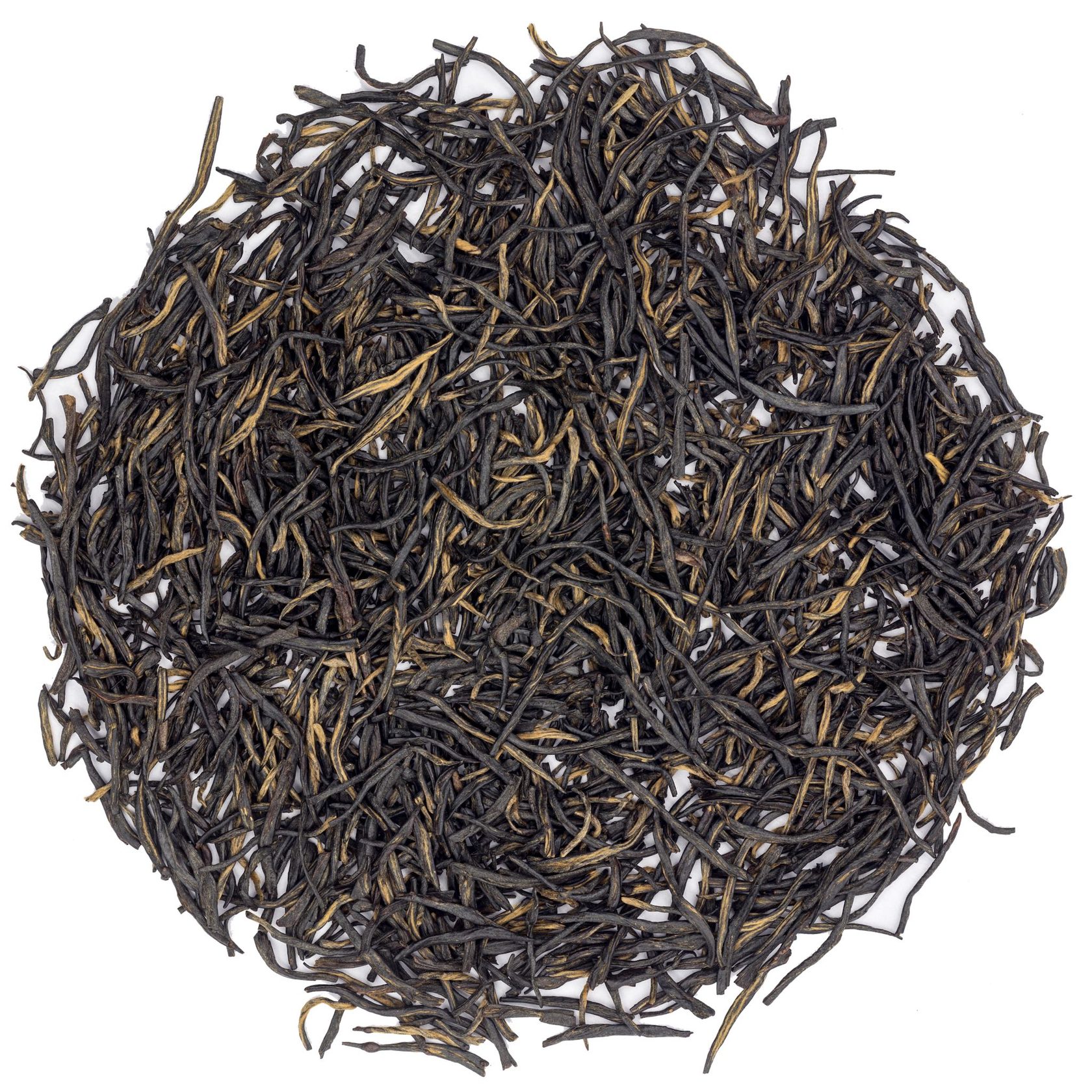
Hei Jin
[hēi jīn]
Learn more →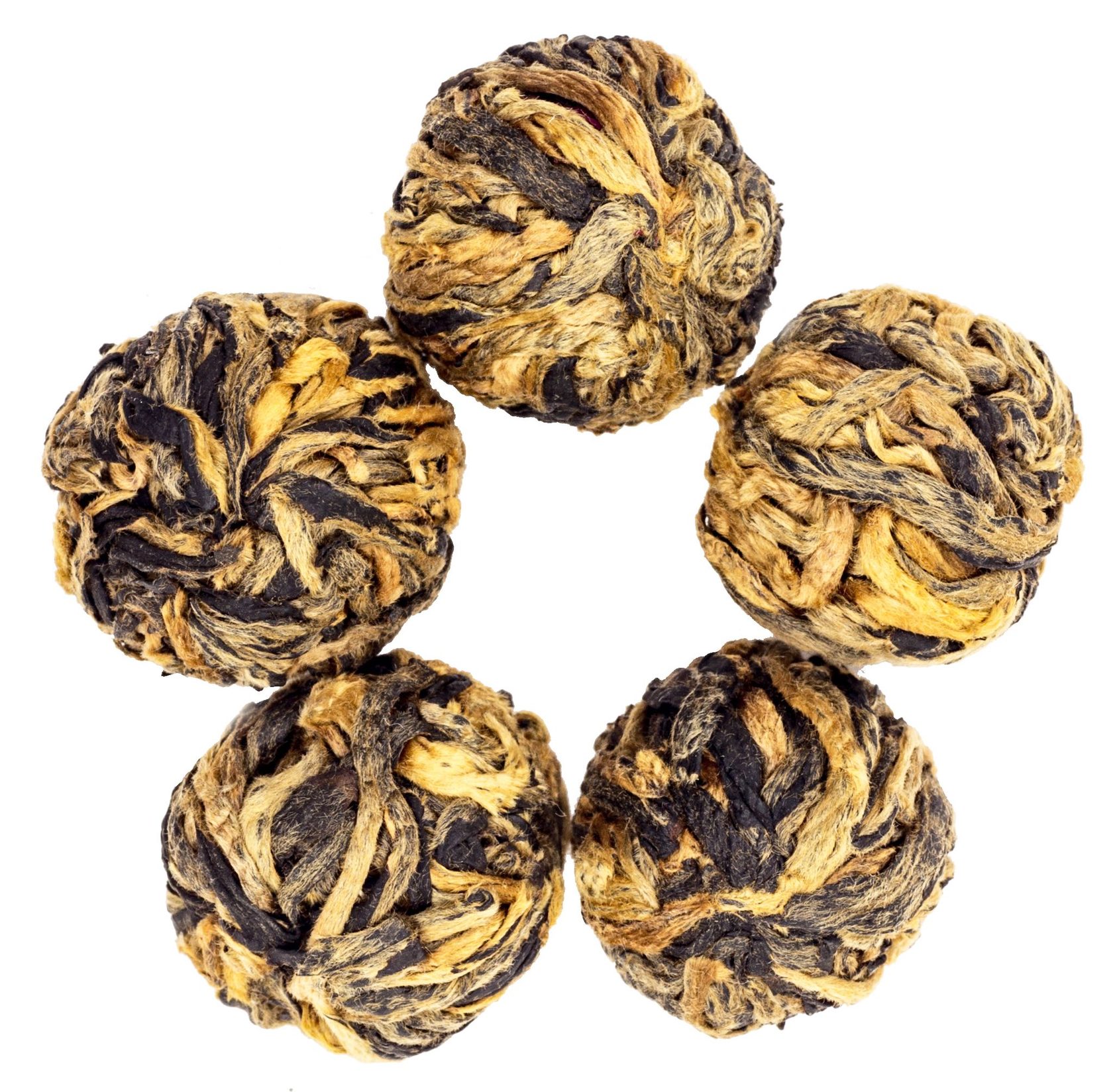
Hong Longzhu
[hóng lóngzhū]
Learn more →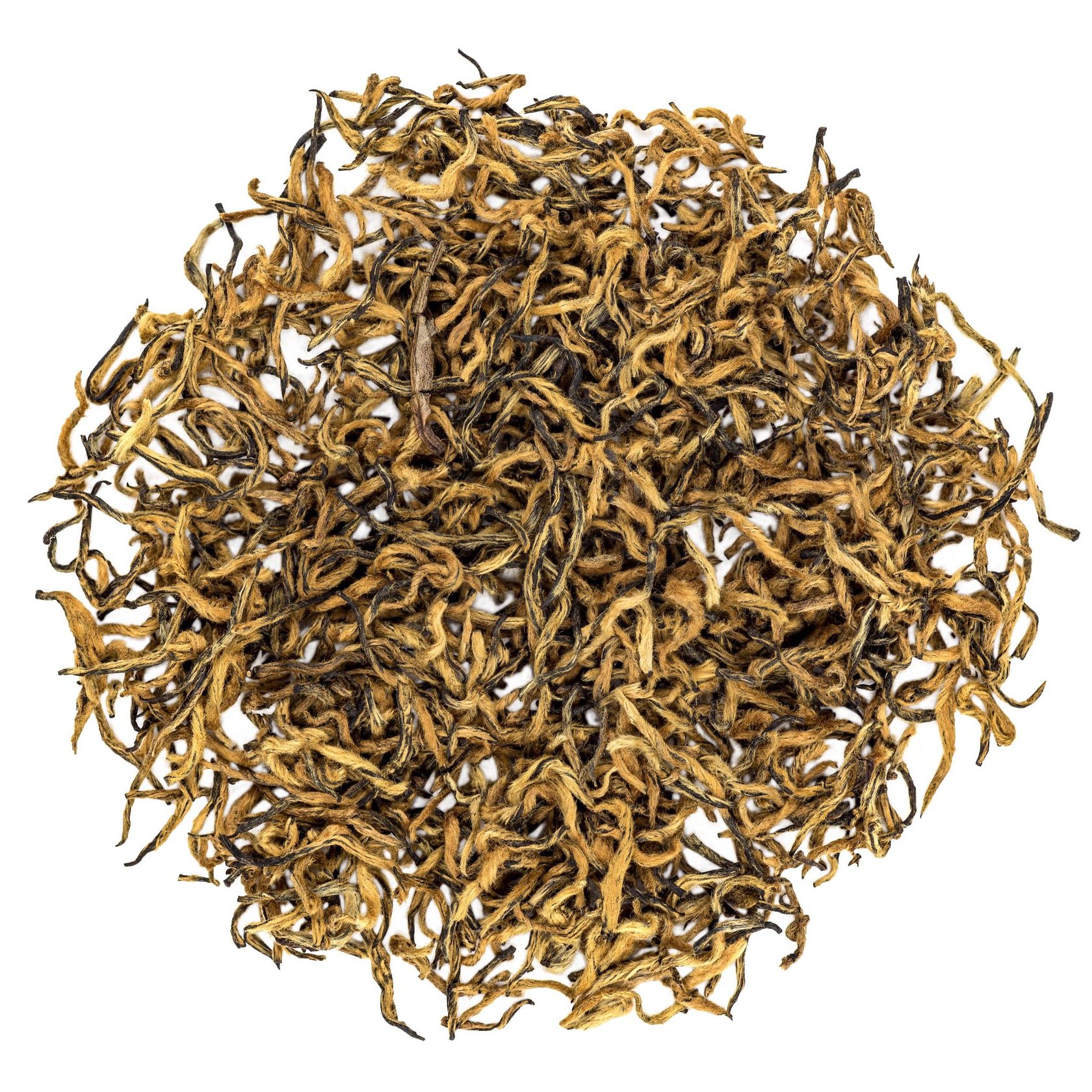
Jin Jun Mei
[jīnjùnméi]
Learn more →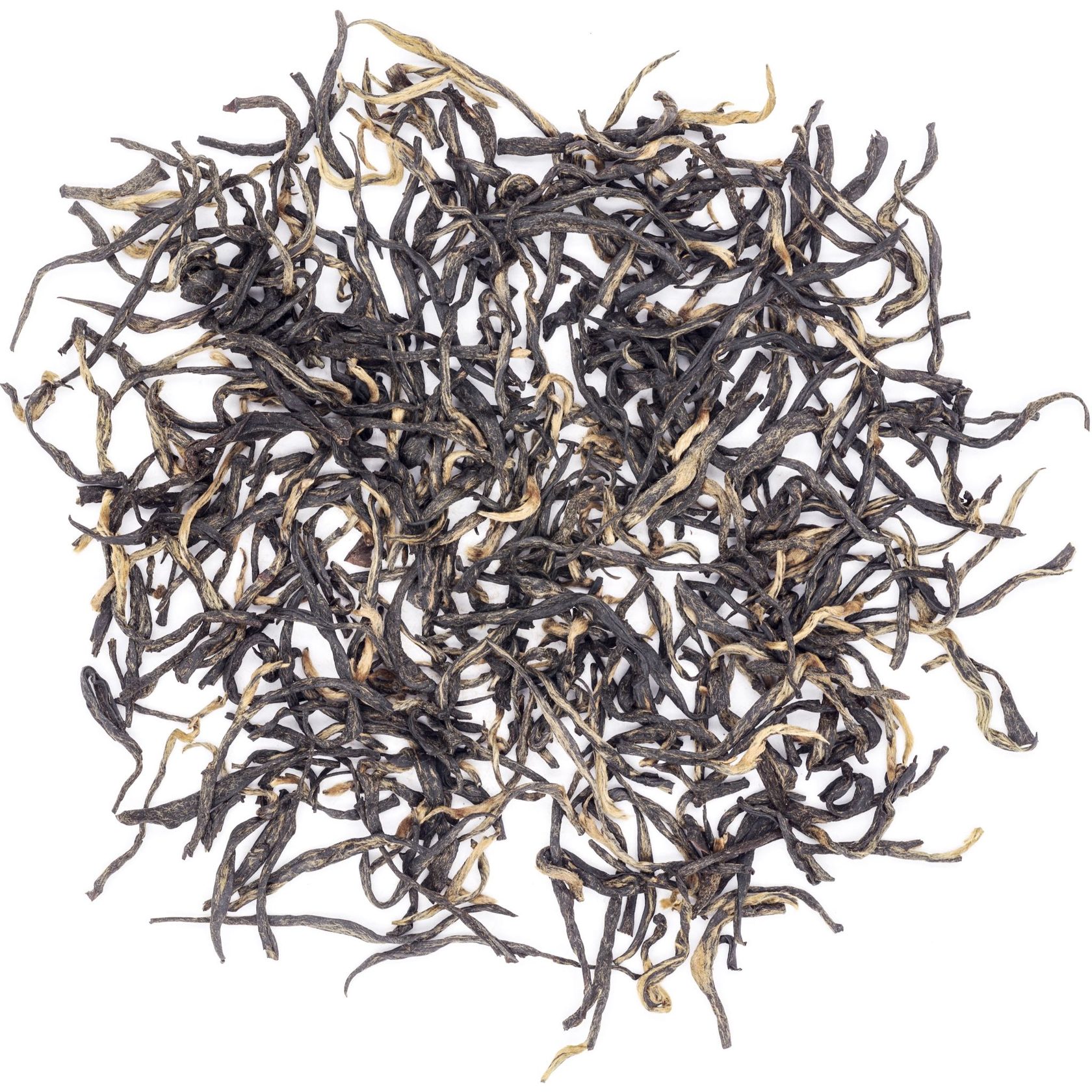
Mei Zhan Hongcha
[méizhàn hóngchá]
Learn more →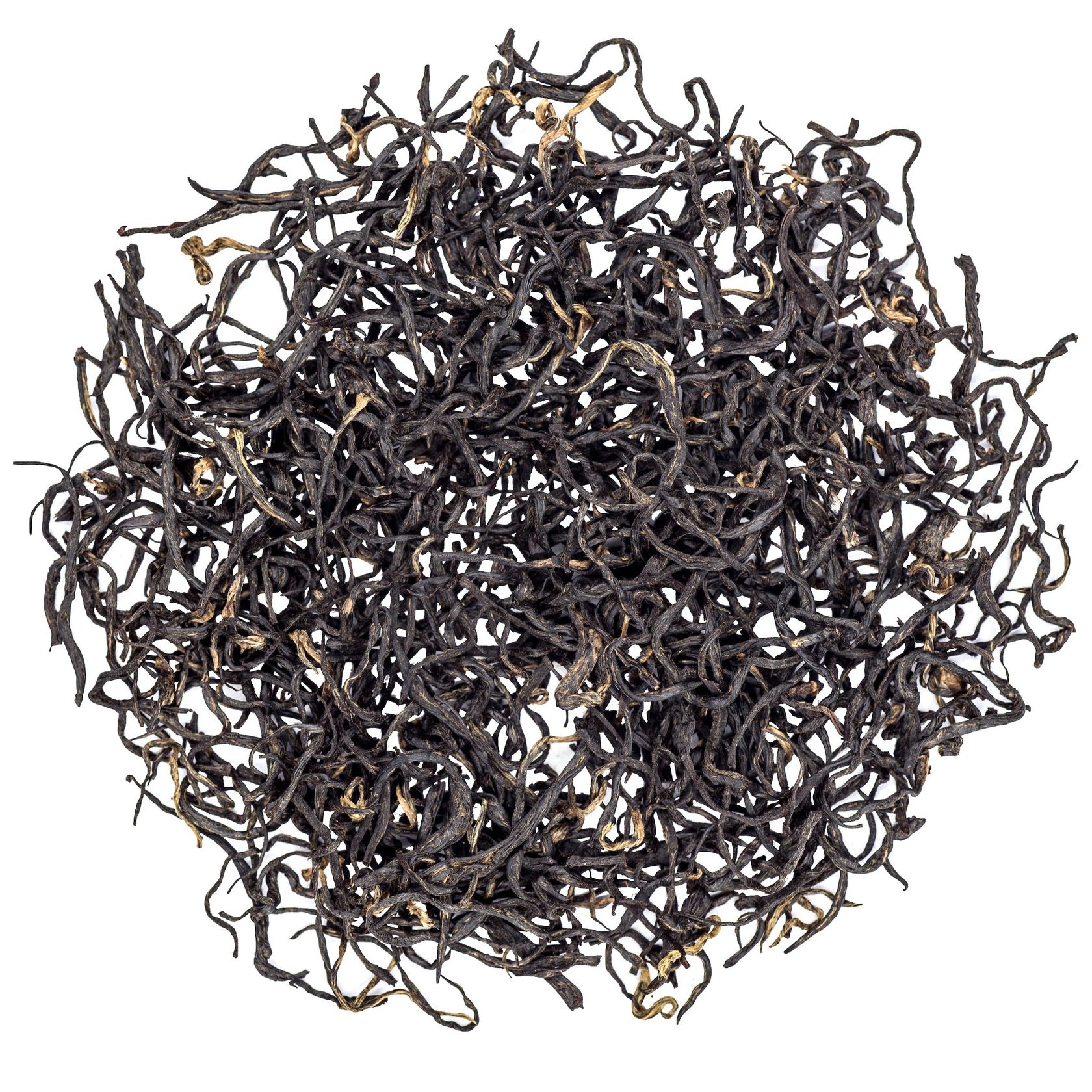
Qimen Hongcha
[qímén hóngchá]
Learn more →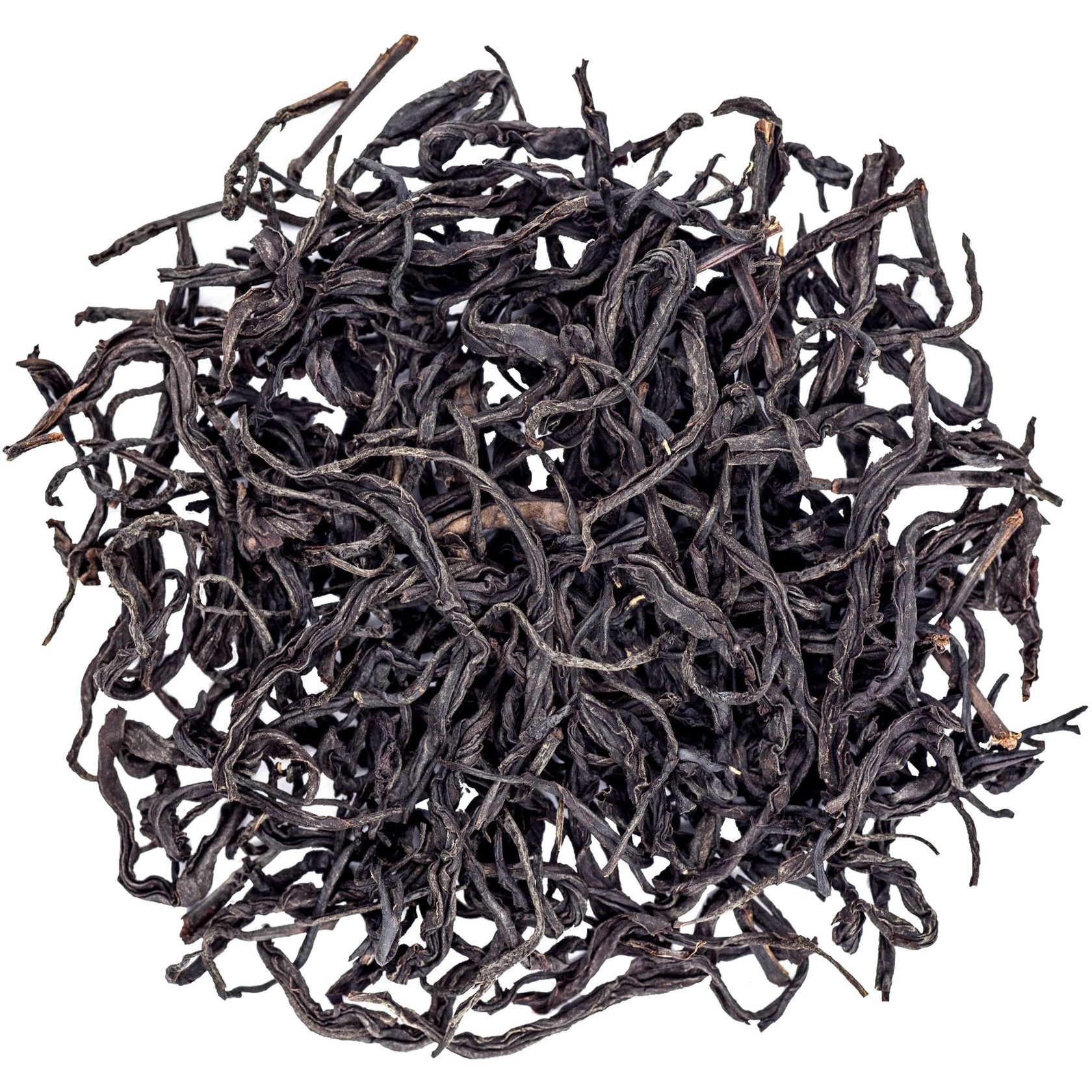
Riyuetan Hong Cha
[rìyuètán hóngchá]
Learn more →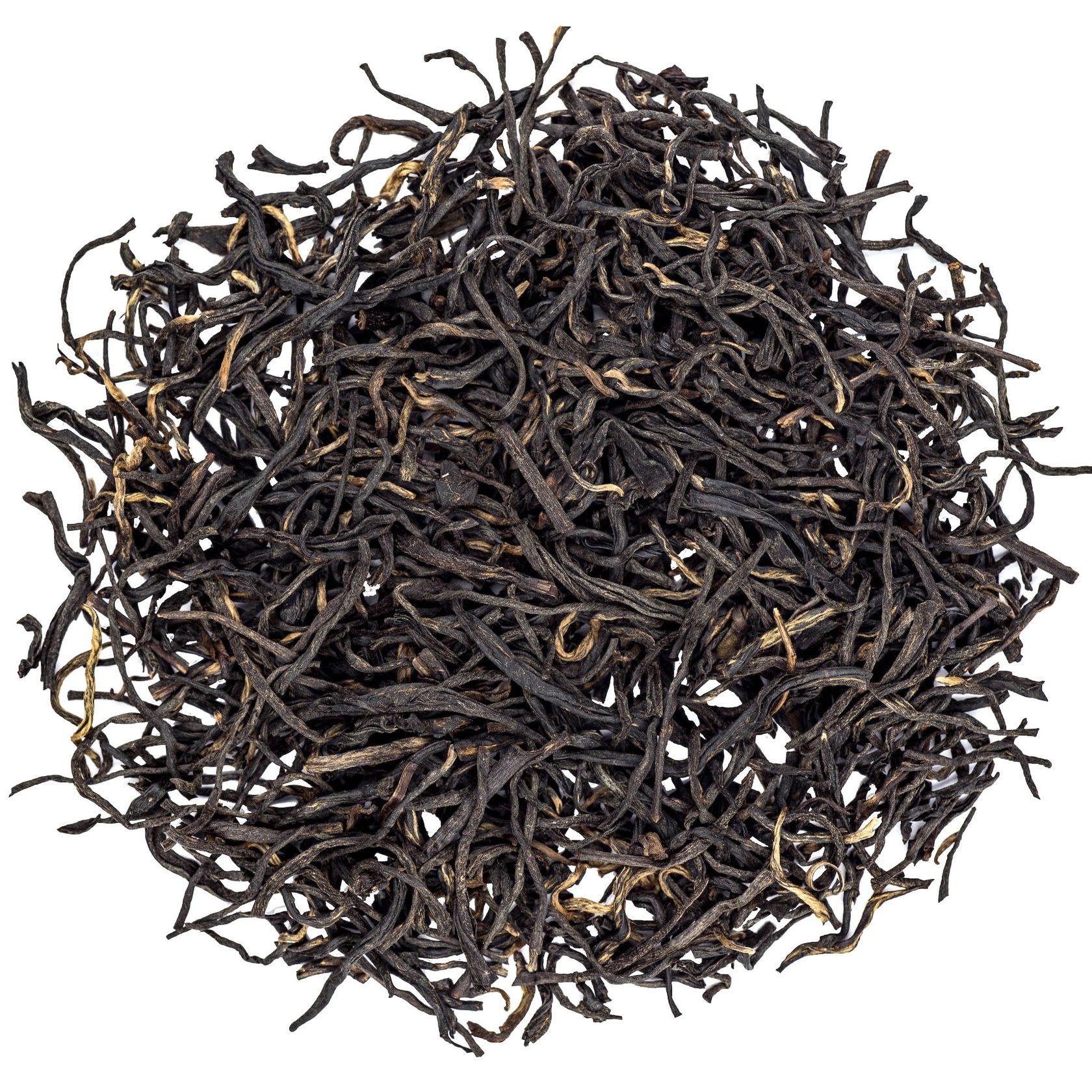
Yin Jun Mei
[yín jùn méi]
Learn more →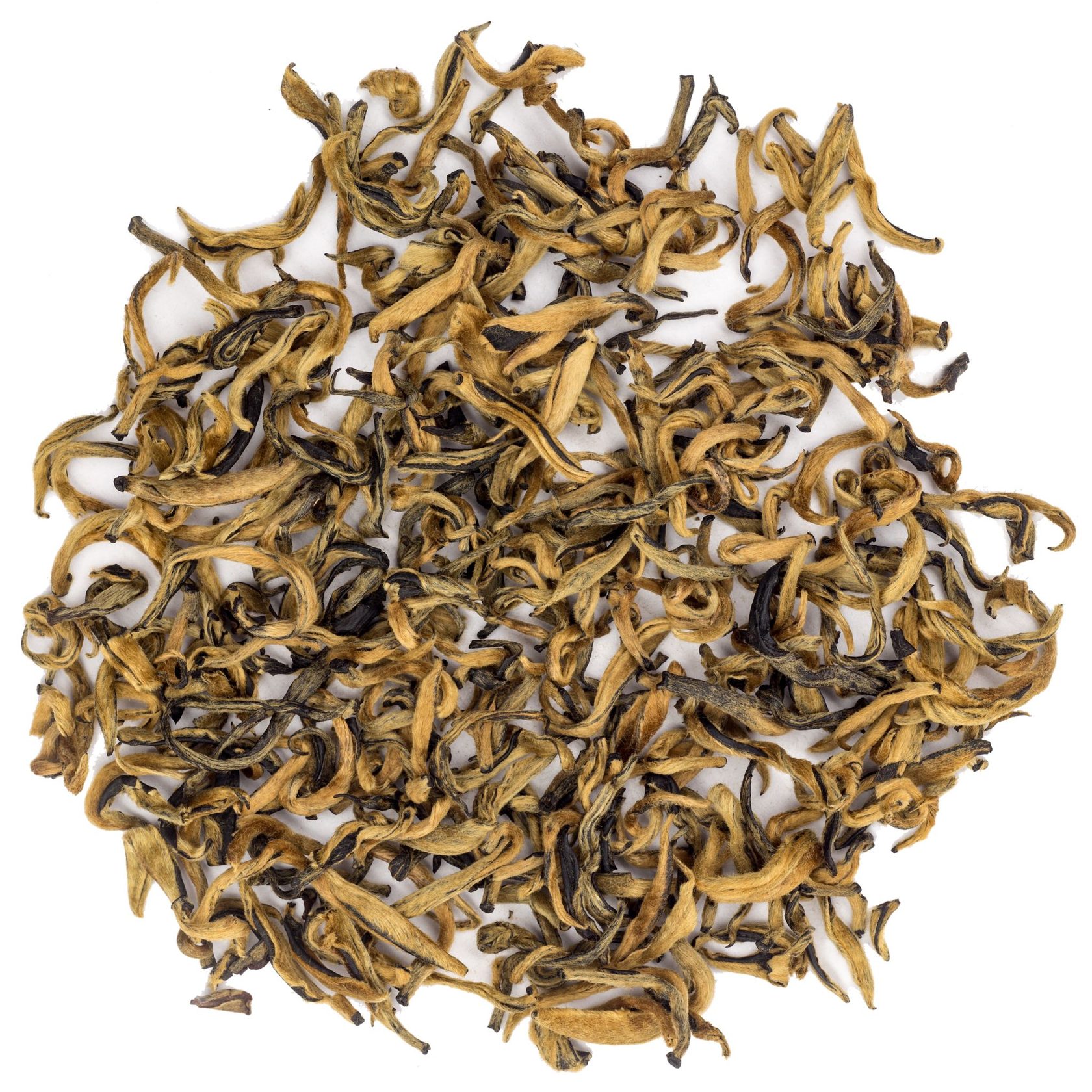
Yingde Hong Cha
[yīngdé hóngchá]
Learn more →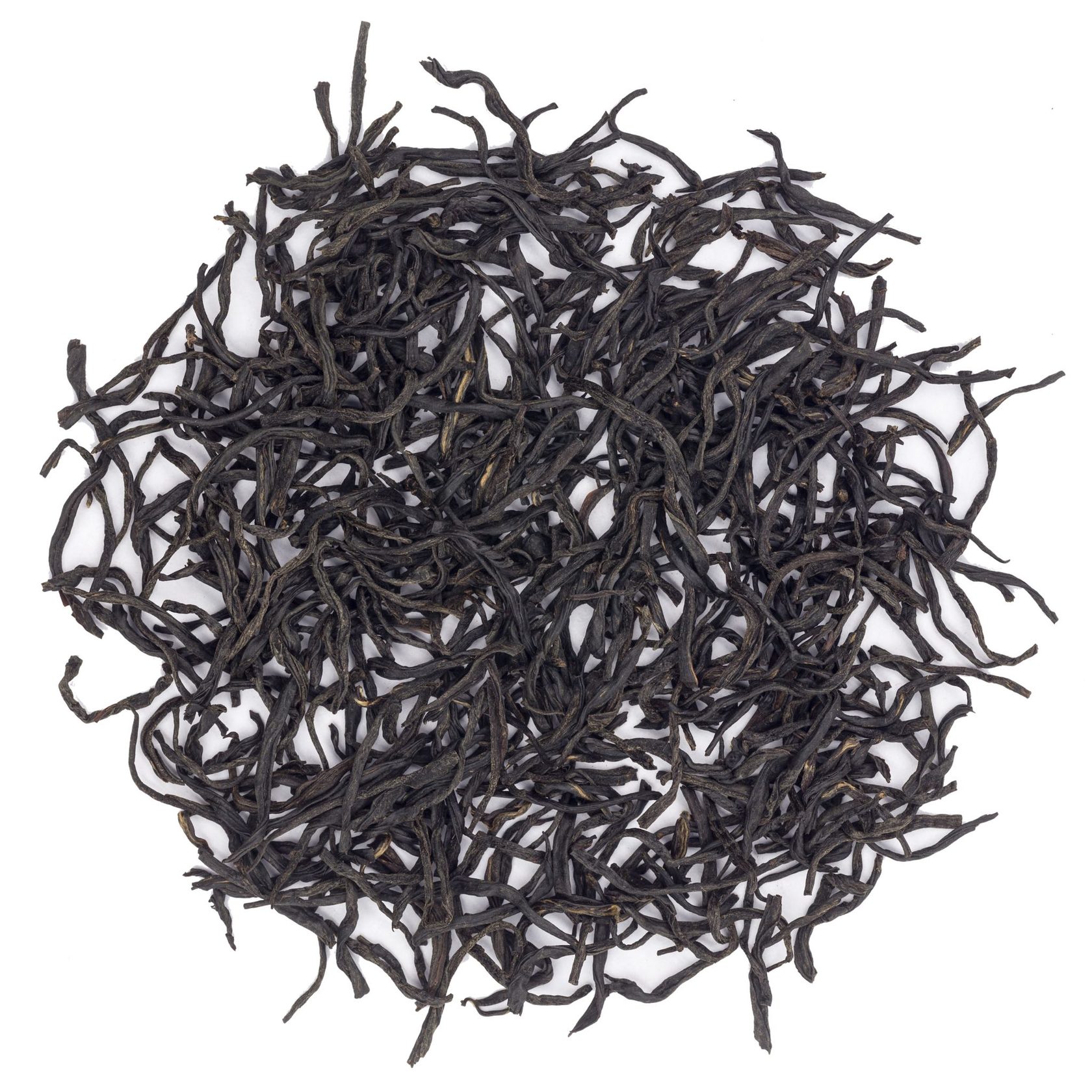
Zhengshan Xiaozhong
[zhèngshān xiǎozhǒng]
Learn more →